Kelantan's forest coverage stands at 778,708.34 hectares, representing 51.79 per cent of the state's total land area, state officials confirmed this week in the legislative assembly. The achievement places Kelantan ahead of the Peninsular Malaysia Forestry Policy's minimum requirement of maintaining half the country's landscape under forest and tree cover, demonstrating the state's commitment to long-term environmental stewardship.
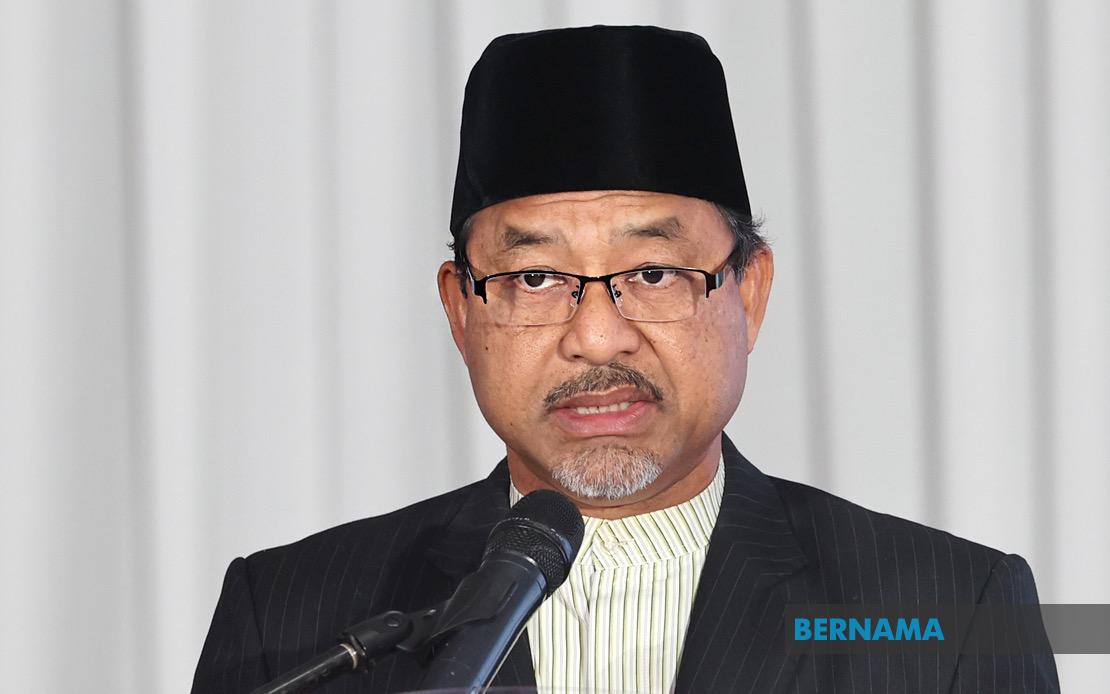
Menteri Besar Datuk Mohd Nassuruddin Daud highlighted this milestone in response to a question from assemblyman Zuraidin Abdullah, underscoring that the figure reflects deliberate policy implementation rather than circumstance. The state government has actively pursued strategies to designate government-owned land as Permanent Reserved Forests, or HSK in Malay, ensuring legal protection for forested areas. This administrative approach creates a stable framework for conservation and signals political will to maintain ecological assets.
Beyond simply measuring existing forest extent, Kelantan's Forestry Department has expanded its protective mechanisms through recent legislative amendments. Protected forests are now systematically gazetted according to their designated forest function classes under the National Forestry Enactment framework, refined in 2025. This classification system allows authorities to manage different forest types according to their ecological roles—whether for watershed protection, biodiversity preservation, or sustainable timber production—enabling more nuanced and effective stewardship.
The state government has integrated national greening initiatives into its conservation agenda, actively participating in the Greening Malaysia campaign through forest restoration and tree-planting programmes. These efforts address not only the maintenance of existing forests but also the rehabilitation of degraded areas, potentially expanding the forested landscape over time. Such programmes typically engage local communities and provide employment opportunities, creating economic incentives aligned with environmental objectives.
A central aspect of Kelantan's approach is the adoption of what officials describe as a balanced framework—one that pursues conservation alongside economic development without treating them as mutually exclusive. This philosophy reflects broader sustainable development principles, recognising that communities require livelihood opportunities while future generations deserve intact natural resources. The government explicitly frames this as meeting present needs without diminishing the capacity of posterity to satisfy theirs.
Technological infrastructure now underpins forest management in ways that were unavailable to previous administrations. Kelantan employs advanced monitoring systems to detect changes in forest cover and identify potential encroachment in early stages, moving beyond reactive enforcement toward predictive protection. Satellite imagery, aerial surveys, and data analytics enable authorities to track forest dynamics across the state's vast terrain, improving response times and targeting resources efficiently.
Verification protocols ensure that detected anomalies do not trigger enforcement actions prematurely. When monitoring systems identify potential changes or unauthorised activities, ground-truthing through patrols and field inspections confirms findings before officials take action. This measured approach reduces false positives while building credible evidence for legal proceedings, strengthening the effectiveness of enforcement mechanisms and protecting legitimate stakeholders from unnecessary disruption.
For Malaysian and Southeast Asian policymakers, Kelantan's situation offers several instructive elements. The state demonstrates that exceeding national environmental baselines is achievable through consistent administrative action and legislative clarity. The integration of technology into forest governance represents a broader regional trend toward data-driven environmental management, particularly relevant as climate change concerns intensify monitoring requirements across the tropics.
Kelantan's experience also illustrates the potential for balancing development with conservation through deliberate institutional design. Rather than choosing between economic activity and forest preservation, the state's framework seeks compatibility through zoning, functional classification, and selective land designation. This approach may hold relevance for other Malaysian states and regional neighbours grappling with similar pressures on limited forest resources.
The significance of maintaining above-threshold forest cover extends beyond local boundaries. Kelantan's forests contribute to regional climate regulation, carbon sequestration, and hydrological services that benefit downstream communities and the broader Southeast Asian ecosystem. The state's commitment thus carries implications for watershed management, biodiversity conservation, and climate resilience across the peninsula.
Looking forward, the sustainability of Kelantan's forest cover will depend on consistent implementation of designated policies and adequate resourcing of monitoring and enforcement functions. Political continuity in environmental stewardship, coupled with technological investment and community engagement, will determine whether current performance levels persist through coming decades of potential demographic and economic pressures.

