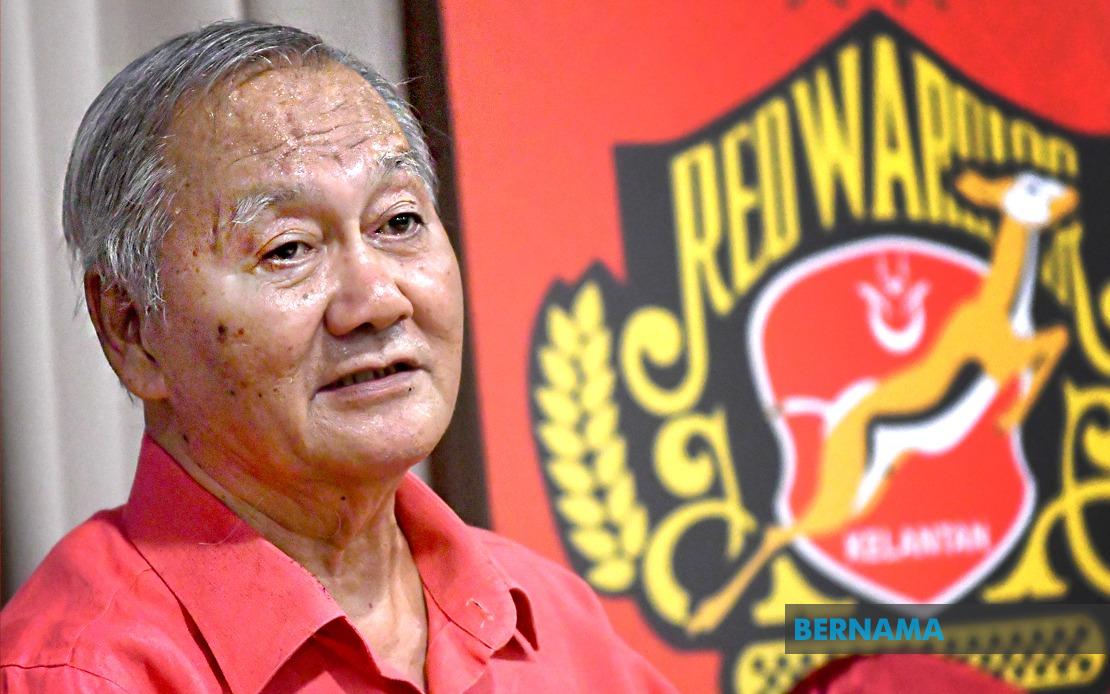
Kelantan Red Warriors FC will not be bringing in fresh talent in the immediate term, with head coach Irfan Bakti Abu Salim revealing that a series of technical complications within the club's administrative apparatus must be straightened out before recruitment can resume. Speaking in Kota Bharu, the coach acknowledged the squad's achievement in earning automatic promotion to Malaysia's top-tier Super League, but emphasised that internal complications are now the priority. The Kelantanese outfit secured their elevation through merit last season in the A1 Semi-Pro League, marking a significant milestone for the club, yet the transition is being complicated by unresolved management-level matters that are hampering the club's ability to function at full capacity.
The precise nature of the technical issues remains undisclosed, though Irfan Bakti suggested they are substantial enough to warrant a complete halt to all player recruitment activity. Without clarity on what these obstacles entail, observers can only speculate whether the difficulties relate to financial clearance, licensing compliance, or other regulatory prerequisites demanded by the football authority. What is clear is that the club has made a strategic decision to address these matters comprehensively rather than attempt simultaneous solutions, a pragmatic approach that prioritises the club's foundational stability over short-term squad strengthening.
The timing of these complications creates genuine pressure for the club as it prepares for a quantum leap in competitive intensity. The Super League represents a vastly more demanding environment than the A1 Semi-Pro League from which KRW emerged. The quality of opposition, tactical sophistication, and physical demands will all increase substantially, making squad depth and quality absolutely critical for survival at the higher level. Clubs that fail to adequately reinforce typically struggle in their debut Super League seasons, and KRW's situation exemplifies the precarious position facing newly promoted outfits when off-field complications coincide with on-field preparation.
Currently, the club is proceeding with preparation activities using its existing roster of 18 to 20 players, maintaining training schedules and tactical development while awaiting resolution of the administrative blockages. This skeleton squad approach is workable during the pre-season phase but would be entirely inadequate once competitive matches commence. The coaching staff is doing what it can with available personnel, yet everyone involved recognises that comprehensive squad reinforcement is non-negotiable for meaningful Super League participation. The club has essentially put its transfer strategy on ice until circumstances permit resumption.
Kelantan Red Warriors' management is reportedly working with urgency to eliminate these obstacles, understanding that prolonged delays would catastrophically impact the club's competitive preparation window. Malaysian football operates under strict licensing and compliance frameworks, and failure to satisfy these requirements can result in substantial penalties or even league participation bans. The club must therefore move methodically through whatever certification or approval processes are required, whilst simultaneously ensuring nothing is overlooked that could trigger further complications. This dual-track approach—resolving current issues whilst ensuring no additional problems emerge—demands careful administrative coordination.
The regulatory environment for Malaysian football clubs has become increasingly stringent in recent years, reflecting efforts by the football authorities to professionalise league operations and enhance financial accountability. Newly promoted clubs face heightened scrutiny as they transition to higher divisions, with authorities checking that all governance structures meet elevated standards. For a club like Kelantan Red Warriors, ascending from the semi-professional ranks, these compliance requirements may be more extensive than anticipated, potentially accounting for the delays the club is now experiencing. Understanding these regulatory expectations and fulfilling them comprehensively is essential for any club seeking sustainable top-flight participation.
The absence of transfer activity also carries implications for player morale and retention, though Irfan Bakti's public statements suggest the existing squad remains committed to the club's Super League ambitions. Without prospect of meaningful recruitment, however, individual players may begin considering alternative opportunities, particularly those on expiring contracts or with ambitions to test themselves elsewhere. The club therefore faces pressure not only to resolve its administrative complications but to maintain squad cohesion and motivation throughout an uncertain period. Transparent communication from management about the timeline for resolution becomes crucial in this context.
Regionally, Kelantan Red Warriors' situation reflects broader challenges affecting newly promoted clubs across Southeast Asia, where infrastructure development, regulatory compliance, and administrative capacity often lag behind competitive aspirations. Several clubs across the region have experienced similar complications when stepping up to premier league football, suggesting these are systemic challenges rather than isolated incidents. The experience may ultimately strengthen Malaysian football's governance if it prompts thoughtful examination of promotion processes and the preparation requirements for ascending clubs.
Once KRW's technical issues are resolved and the player registration ban is lifted, the club will likely pursue a concentrated recruitment drive targeting both Malaysian-based players and strategically selected foreign talent. The intensity of this forthcoming transfer window will depend partly on how much preparation time remains before the Super League season commences. A lengthy delay in resolving current obstacles could compress the recruitment window uncomfortably, forcing the club to accept available options rather than pursue optimal targets. Early resolution remains critical to maximising recruitment opportunities and ensuring the squad is fully assembled before competitive fixtures begin.
Irfan Bakti's balanced messaging—acknowledging both the achievement of promotion and the reality of current complications—reflects mature leadership in a challenging situation. Rather than deflecting responsibility or minimising the obstacles, he has chosen transparency about what must be accomplished before full preparations can proceed. This approach, while difficult in the short term, may ultimately serve the club better by establishing realistic expectations among supporters and stakeholders. The pathway forward is clear: resolve the administrative matters, secure player registration permissions, reinforce the squad comprehensively, and enter the Super League with a competitive outfit. The clock is ticking, and KRW must execute efficiently on all fronts to make that timeline a reality.

