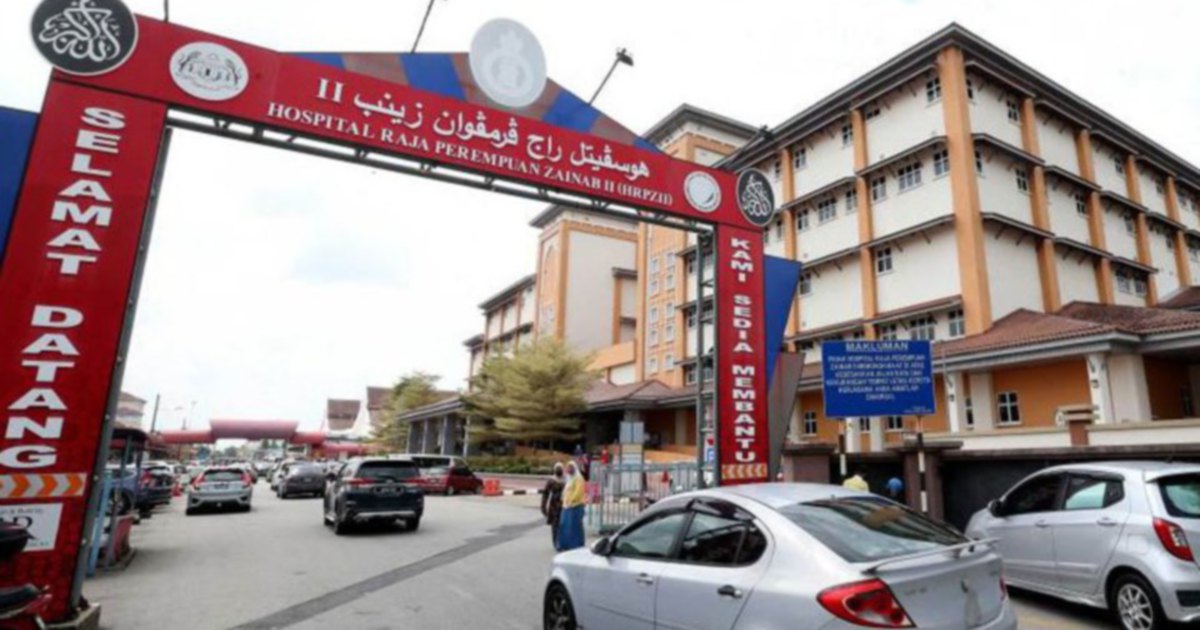
Medical staff at the Raja Perempuan Zainab II Hospital in Kota Baru are maintaining vigilant observation of a newborn girl who displayed traces of controlled substances in her system, following routine screening procedures conducted in the hospital's neonatal care ward on August 6. The discovery has triggered a monitored intervention protocol coordinated by the Kelantan Health Department, which is overseeing the infant's ongoing medical and developmental progress.
The urine test revealed the presence of two distinct drug categories in the newborn's system: amphetamines and benzodiazepines. This combination of substances indicates that the mother likely consumed these drugs during pregnancy, resulting in transplacental exposure. Benzodiazepines are prescription sedative medications, while amphetamines—whether prescribed or illicit—can cross the placental barrier and accumulate in fetal tissues, creating a clinical scenario that warrants specialised neonatal care and behavioural monitoring.
The discovery at the NICU represents a significant public health concern within Kelantan's maternal and child health ecosystem. Prenatal drug exposure can trigger a range of complications in newborns, including withdrawal symptoms, feeding difficulties, irritability, poor muscle tone, seizures, and developmental delays. The symptoms may appear immediately after birth or develop gradually over the first weeks of life, making continuous observation essential during this critical developmental window.
For Malaysian healthcare professionals, such cases underscore the importance of comprehensive maternal screening protocols. Most hospitals across the country now conduct toxicology screening during antenatal and delivery care, particularly when clinical indicators suggest substance use or when presenting symptoms align with potential drug exposure. The Kelantan case exemplifies how routine screening procedures can identify at-risk infants who might otherwise be discharged without appropriate safeguards.
The monitoring process typically involves regular neurological assessments, behavioural observation scales such as the Finnegan Neonatal Abstinence Scoring System, and tracking of vital signs and feeding patterns. Medical teams assess whether the infant develops neonatal abstinence syndrome (NAS), a condition characterised by hyperactivity, tremors, poor feeding, and potentially life-threatening seizures. Treatment may include supportive care, environmental modifications, or pharmacological intervention depending on symptom severity and progression.
Benzodiazepine exposure during pregnancy carries documented risks including respiratory depression, poor feeding, lethargy, and temperature regulation problems. Amphetamine exposure has been associated with reduced birth weight, prematurity, and neurobehavioural abnormalities. The combination of both substances intensifies the need for thorough assessment and tailored management protocols. Healthcare providers must determine whether the mother used these substances therapeutically under medical supervision or through non-prescribed channels, as this distinction affects both neonatal management and family support strategies.
This case also reflects broader maternal substance use issues affecting Southeast Asia. While heroin and methamphetamine addiction statistics dominate regional discourse, benzodiazepine misuse—often occurring through diversion of prescription medications or illegal manufacturing—represents a growing but underreported concern. In Malaysia, benzodiazepines remain among the most commonly prescribed psychiatric medications, creating potential for both therapeutic dependency and recreational misuse, particularly in vulnerable populations.
The involvement of the Kelantan Health Department signals a comprehensive, multi-agency approach to managing this situation. Beyond immediate medical care, authorities typically coordinate support services including maternal substance abuse counselling, social work intervention, and family case management. The department must balance the imperative to provide skilled medical care for the affected newborn with compassionate engagement of the mother, who may herself require urgent addiction treatment and psychological support.
For families and healthcare workers across Malaysia, this case highlights the critical importance of antenatal education regarding substance abuse risks and the accessibility of treatment services. Many pregnant women with substance use disorders remain reluctant to disclose their situation due to fear of legal consequences or child welfare involvement. Creating environments where expectant mothers feel safe discussing drug use and accessing harm reduction services remains a priority for public health authorities nationwide.
The monitoring protocol at Raja Perempuan Zainab II Hospital represents standard best practice in Malaysian neonatal care. The NICU's capacity to conduct comprehensive screening and provide intensive observation ensures that newborns with prenatal drug exposure receive appropriate clinical attention during their most vulnerable period. As the infant develops over the coming weeks and months, healthcare teams will assess long-term neurodevelopmental outcomes, growth trajectories, and potential lasting effects from intrauterine exposure.
This incident underscores how maternal substance use affects the youngest and most vulnerable members of society. The Kelantan Health Department's proactive monitoring demonstrates institutional commitment to identifying and managing such cases systematically. Moving forward, strengthening substance abuse prevention and treatment services for women of childbearing age remains essential to reducing preventable prenatal drug exposure cases across Malaysia's healthcare system.

