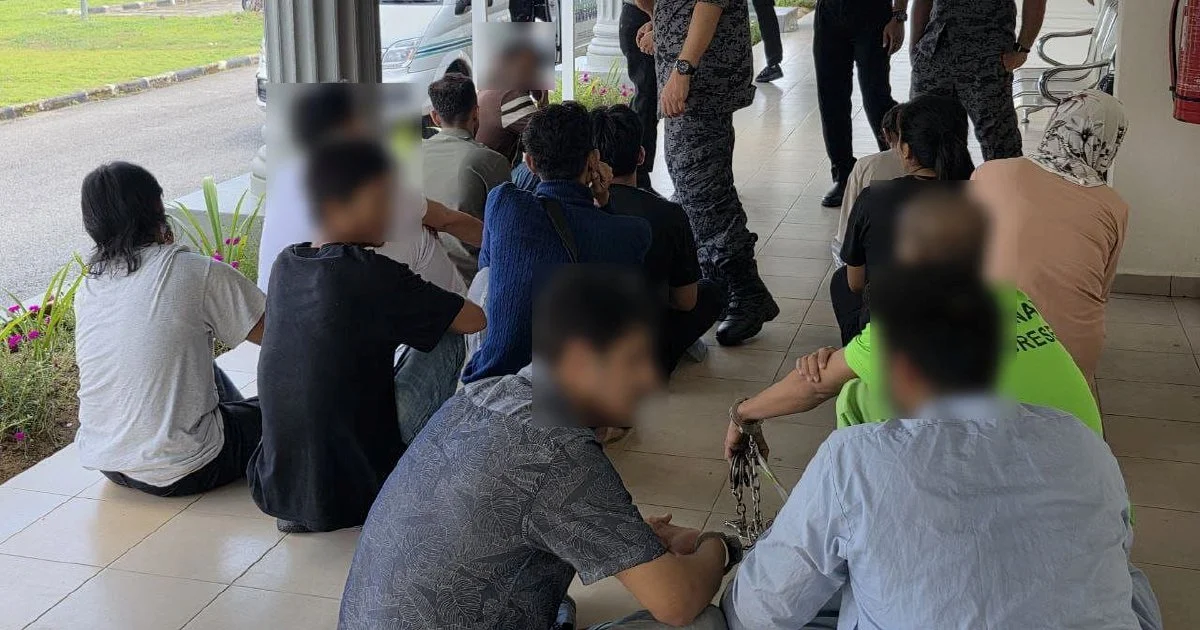
A Sessions Court in Pasir Mas, Kelantan has proceeded with charges against twelve undocumented migrants accused of breaching Malaysia's immigration laws, with the group including three female offenders. The cases underline the continuing pressure on authorities to manage irregular migration flows through the country's borders, particularly in the northern peninsula where enforcement operations have intensified.
The individuals faced multiple charges spanning illegal entry into Malaysian territory, remaining in the country beyond authorised periods, and the unlawful utilisation of travel permits or passes. These categories of offence represent the most common immigration violations processed through Malaysian courts, reflecting the scale and complexity of migration management across the region.
Kelantan's position on the Thai border makes it a critical zone for immigration control. The state has experienced recurring challenges with cross-border movement, both irregular and otherwise. The court proceedings reflect the state's role as a primary entry point for unauthorised migration into peninsular Malaysia, where enforcement operations coordinate between border agencies and the immigration department.
The presence of three women among the accused highlights that irregular migration affects diverse demographic groups. Women migrants often face heightened vulnerability during unauthorised journeys and while undocumented, making their apprehension and processing through formal legal channels significant from both enforcement and protection perspectives.
Misuse of travel documents constitutes a particularly serious dimension of these charges. Such violations can involve fraudulent use of valid passes, alteration of documents, or presentation of forged credentials to authorities. Document fraud undermines the integrity of border control systems and complicates enforcement efforts across the region, as counterfeit materials circulate through smuggling networks.
The Sessions Court mechanism ensures that migration offences receive formal judicial scrutiny rather than administrative handling alone. This distinction matters for establishing consistent legal standards and creating a record of enforcement patterns. Outcomes in such cases influence both deterrence messaging and policy refinement by immigration authorities.
Southeast Asian nations, including Malaysia, continue grappling with substantial irregular migration movements driven by economic disparities, conflict, and persecution in origin countries. The region lacks comprehensive regional migration frameworks, meaning each nation manages flows largely through bilateral arrangements and domestic enforcement. This fragmented approach creates enforcement challenges but also opportunities for coordinated responses.
The timing and scale of enforcement operations frequently correlate with seasonal migration patterns and international pressure on border management. Kelantan's court cases reflect broader national efforts to demonstrate immigration control capacity, particularly important given Malaysia's status as a significant destination for labour migration and asylum-seekers across Asia.
For Malaysian readers, immigration enforcement directly intersects with employment, social services, and public safety concerns. Undocumented migrants utilise informal labour markets, potentially affecting wage standards in sectors like agriculture, construction, and domestic work. Simultaneously, enforcement operations require substantial institutional resources and coordination between multiple agencies, from police to customs authorities.
The legal outcomes in these cases—whether fines, imprisonment, or deportation orders—shape enforcement deterrence messaging and affect how smuggling networks adjust operations. Multiple convictions in a single court session signal active prosecution capacity and may influence migration behaviour at border zones.
Regional context matters significantly here. Thailand, from which many migrants to Malaysia originate, faces its own irregular migration pressures and limited capacity for comprehensive border management. Coordination between Malaysian and Thai authorities remains incomplete, allowing continued unauthorised crossings despite enforcement efforts.
These twelve cases represent individual snapshots of broader migration governance challenges affecting Malaysia and the wider region. Addressing irregular migration sustainably requires not only enforcement effectiveness but also regional cooperation on labour mobility, refugee protection, and addressing root causes of forced displacement—dimensions still developing unevenly across Southeast Asia.

