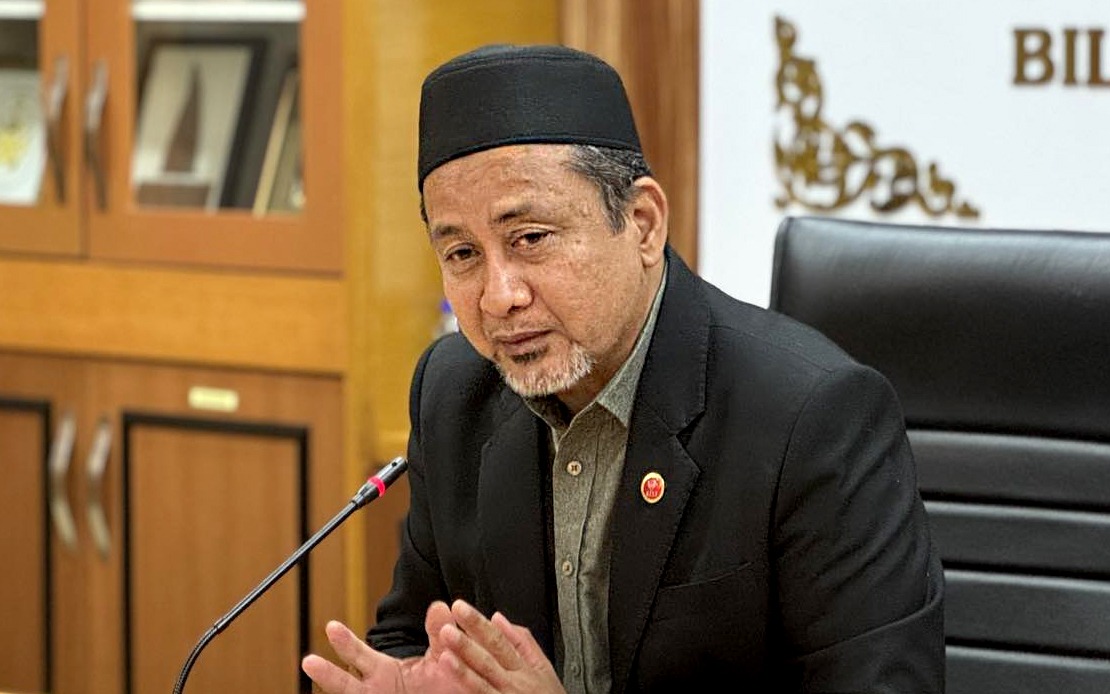
Kelantan State Sports Council has unveiled an expanded welfare framework designed to comprehensively support athletes across multiple dimensions of their lives, from financial security during their sporting careers to educational pathways for life after competition. The initiative, announced by State Youth, Sports, NGOs and Community Unity Committee chairman Zamakhshari Muhamad, reflects a strategic shift towards treating athlete welfare as a holistic concern rather than a narrow focus on competition performance alone.
The programme encompasses several interconnected support mechanisms tailored to different athlete circumstances and career stages. Monthly allowances form the foundation of the system, specifically targeted at Imtiyaz athletes who represent the state at various levels. Beyond regular stipends, the council provides direct funding for athlete participation in both domestic and international competitions, recognising that access to competition opportunities often depends on financial capacity. This approach addresses a longstanding challenge in Malaysian sports development, where promising athletes frequently face barriers to participation simply because their families cannot afford travel, accommodation and registration costs.
The council has also prioritised the provision of sports-specific resources including equipment and nutritional supplements under its Special Programme framework. This recognition that elite athletic performance requires proper nutrition and specialised gear reflects contemporary sports science understanding. Many state-level athletes previously operated without access to standardised nutritional guidance or quality equipment, placing them at a disadvantage compared to better-resourced counterparts from other states. By centralising these provisions, Kelantan aims to level the playing field within Malaysia's competitive sports ecosystem.
A particularly innovative aspect of the scheme involves protection mechanisms for athletes facing life's unexpected hardships. The council now provides financial contributions to cover natural disasters, accidents, marriages and death benefits—contingencies that can devastate athletes or their families when they occur. This safety net acknowledges that sportspeople remain vulnerable to the same misfortunes as any citizen, yet often lack the financial reserves to withstand such shocks. By incorporating these provisions, the council demonstrates understanding that athlete welfare extends beyond competition performance to encompassing basic human security.
Educational support represents perhaps the most future-oriented component of the expanded programme. Recognising that athletic careers are finite and often unpredictable, the council has partnered with public institutions of higher learning to create pathways for promising athletes to pursue further studies. This dual-track approach—simultaneously developing sports excellence and academic achievement—reflects best practice globally. The council also provides academic excellence incentives for athletes achieving outstanding results in the SPM and STPM examinations, creating financial rewards for educational attainment.
The coordination with Yayasan Kelantan Darulnaim introduces loan facilities and scholarship mechanisms specifically designed for state athletes seeking higher education. By linking sports councils directly to foundation-level funding, the programme removes intermediaries and streamlines access to financial support. This partnership model demonstrates how strategic collaboration between government agencies and established charitable foundations can multiply the impact of limited budgets. The emphasis on qualifying for public institutions of higher learning suggests a deliberate preference for strengthening Malaysia's national university system while opening elite educational pathways to athletes who might otherwise lack opportunity.
The current Malaysia Games (SUKMA) cycle serves as a testing ground for these initiatives, with particular emphasis placed on medal-winning athletes. By prioritising SUKMA performers, the council creates incentives for elite achievement while simultaneously identifying individuals most capable of leveraging educational opportunities. SUKMA medallists typically represent the highest tier of state athletes and are most likely to benefit from and appreciate educational advancement programmes. This targeted approach allows the council to maximise impact within resource constraints.
Financial recognition of academic achievement complements the broader educational strategy. One-off contributions ranging from RM300 to RM500 are provided to athletes achieving outstanding SPM and STPM results. Though modest in absolute terms, these payments carry symbolic significance by explicitly valuing academic success alongside sporting achievement. The fact that more than 100 athletes received such contributions between 2025 and 2026 suggests this mechanism has gained traction and reach within Kelantan's sporting community.
The programme's success depends critically on the partnership ecosystem underpinning its implementation. Support from the National Sports Council, Kelantan Education Department, Kelantan Youth and Sports Department, Yayasan Islam Kelantan, and various public and private higher learning institutions demonstrates that athlete welfare is now conceptualised as a multi-stakeholder responsibility rather than a single agency concern. This distributed responsibility model distributes both financial burden and implementation complexity across multiple capable institutions.
For Malaysian athletes more broadly, Kelantan's expansion of welfare support signals potential shifts in how state sports councils across the country approach their mandate. As other states observe this comprehensive framework and its early results, pressure may mount for similar or complementary programmes. This competitive dynamic could drive systematic improvement in athlete welfare standards nationwide, benefiting sporting populations beyond Kelantan's borders.
The underlying rationale—that athlete welfare programmes enhance not only individual wellbeing but also sporting performance and national medal prospects—resonates with evidence from high-performing sports nations. When athletes experience financial security and educational opportunity, they can focus training efforts without distraction from economic survival concerns. This approach represents sophisticated understanding that investing in holistic athlete support yields returns in both human development and sporting achievement, creating alignment between humanitarian and competitive objectives.
Looking forward, the council's commitment to continued expansion suggests this initial framework may evolve further. As implementation reveals practical challenges and opportunities, refinements can be made to enhance programme effectiveness. The deliberate emphasis on athlete character development alongside sports and academic excellence positions these initiatives within a broader philosophy of developing complete individuals rather than narrowly focused competitors. This humanistic approach to sports development increasingly characterises progressive sporting jurisdictions globally.

