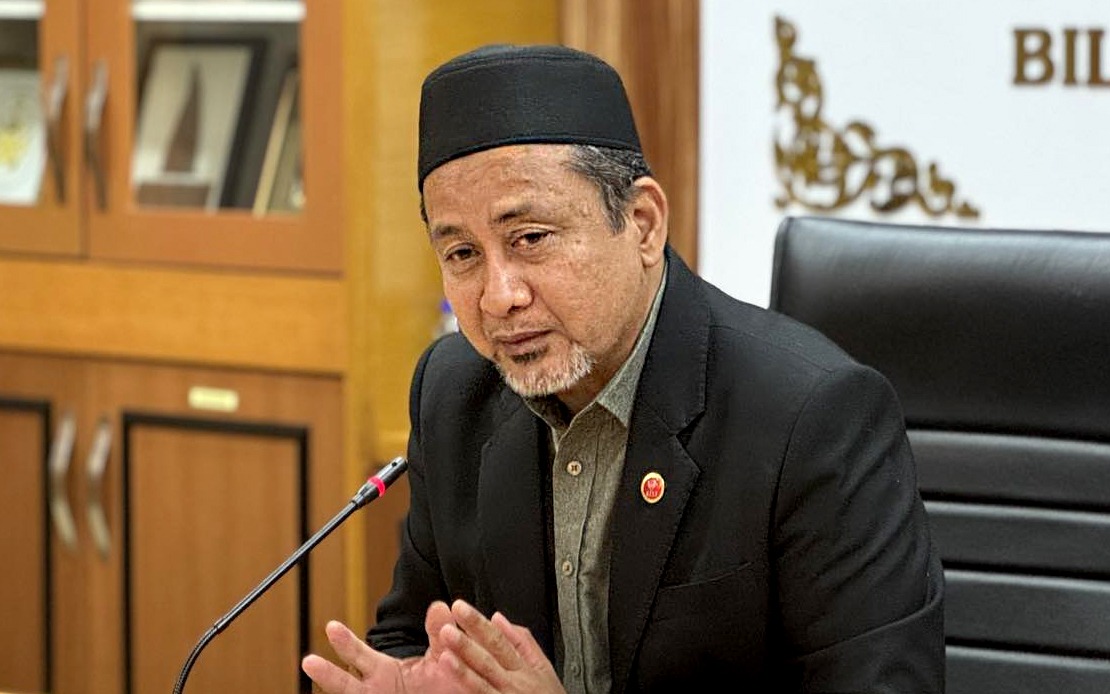
The Kelantan Sports Council has entered into a collaborative arrangement with Yayasan Kelantan Darulnaim (YAKIN) to make education financing more accessible for the state's athletes who wish to pursue tertiary qualifications at public universities. This initiative represents a strategic shift in how Kelantan approaches athlete development, recognizing that long-term success requires investment in both sporting talent and educational advancement. Zamakhshari Muhamad, chairman of the State Youth, Sports, NGOs and Community Unity Committee, outlined the programme's scope and ambitions during a recent announcement, framing it as part of a comprehensive strategy to nurture young talent beyond the playing field.
The partnership reflects an understanding that athletes face unique challenges when balancing competitive sports commitments with academic responsibilities. By securing dedicated funding streams through YAKIN, the state government seeks to remove financial barriers that might otherwise force athletes to choose between athletic pursuit and educational advancement. This dual-track support model acknowledges that many young sportspeople possess both athletic and intellectual potential, and that nurturing both dimensions creates more resilient and well-rounded individuals who can contribute meaningfully to society whether or not their sporting careers reach the professional level.
Zamakhshari emphasized that education occupies equal importance alongside sports development in the state's planning framework. The initiative extends beyond simple financial assistance, incorporating performance-based recognition for academic achievement. Athletes who demonstrate exceptional results in Sijil Pelajaran Malaysia (SPM) and Sijil Tinggi Persekolahan Malaysia (STPM) examinations will receive dedicated academic excellence incentives, creating a merit-based system that rewards scholarly accomplishment. This structure encourages athletes to maintain rigorous academic standards while pursuing their sporting ambitions, fostering a culture where intellectual and athletic excellence are mutually reinforcing rather than mutually exclusive.
The Special Programme administered through the Kelantan Sports Council already encompasses a range of direct support mechanisms designed to sustain athletic development. Athletes enrolled in the Imtiyaz programme receive monthly allowances that provide financial stability during their training periods. The council additionally allocates funds to enable participation in both domestic and international competitions, removing cost as an obstacle to gaining competitive experience. Provision of sports equipment and nutritional supplements ensures that athletes have access to the material resources necessary for optimal training and performance, addressing fundamental requirements that can otherwise constrain athletic development, particularly for competitors from economically disadvantaged backgrounds.
Beyond the core sporting and educational support, the framework recognizes that athletes' welfare extends into multiple dimensions of their lives. The programme incorporates protective mechanisms that activate during times of personal crisis, providing financial or material assistance when athletes encounter natural disasters, accidents, marriage, or bereavement. This holistic approach acknowledges that disruptions in personal circumstances can undermine both athletic performance and academic progress, and that targeted support during vulnerable periods can help athletes maintain their trajectories through difficult times. Such provisions demonstrate a commitment to athlete welfare that transcends purely performance-focused metrics.
The structural architecture supporting these initiatives involves coordination across multiple institutional stakeholders, reflecting the complexity of effectively integrating sports and education support systems. The National Sports Council provides national-level guidance and coordination, while state-level education and youth and sports departments contribute sector-specific expertise and resources. Public and private higher education institutions participate in the network, creating pathways through which athletes can access university places and programmes tailored to their circumstances. This multi-institutional approach distributes responsibility and leverages complementary capacities across the ecosystem, though it also requires sophisticated coordination mechanisms to function effectively.
For Malaysian athletes and their families, Kelantan's initiative offers a concrete model of how regional governments can create supportive environments for sporting excellence without sacrificing educational opportunity. The programme addresses a persistent tension in athlete development: young people with genuine sporting talent often come from backgrounds where educational resources are limited, making the combination of athletic and academic support particularly valuable. By removing financial obstacles to university participation, Kelantan potentially widens the talent pool from which the state can draw, identifying and nurturing individuals who might otherwise remain overlooked.
The broader implications for Malaysia's sporting and educational systems merit consideration. If successfully implemented, the Kelantan model demonstrates that athlete welfare need not be treated as secondary to performance metrics, and that integrated support structures can enhance both athletic and academic outcomes. The emphasis on public university education, rather than private or overseas options, also reflects a commitment to developing domestic higher education capacity while supporting home-grown talent. This approach potentially creates a virtuous cycle in which well-educated athletes contribute to their communities and institutions at higher levels, multiplying the return on initial investment.
Zamakhshari expressed confidence that the expanded facilities and support mechanisms would catalyze sustained excellence among Kelantan athletes across multiple dimensions of personal development. The optimism reflects confidence that when young people receive simultaneous support for athletic and educational ambitions, they demonstrate enhanced motivation and commitment across both domains. Athletes who feel valued and supported by their state government, and who see concrete pathways to both sporting and professional success, often develop resilience and discipline that benefits their long-term outcomes beyond sport. This perspective treats athlete support not as a specialized niche programme but as an investment in developing capable, educated citizens who will contribute to Kelantan's future regardless of their ultimate sporting achievements.

