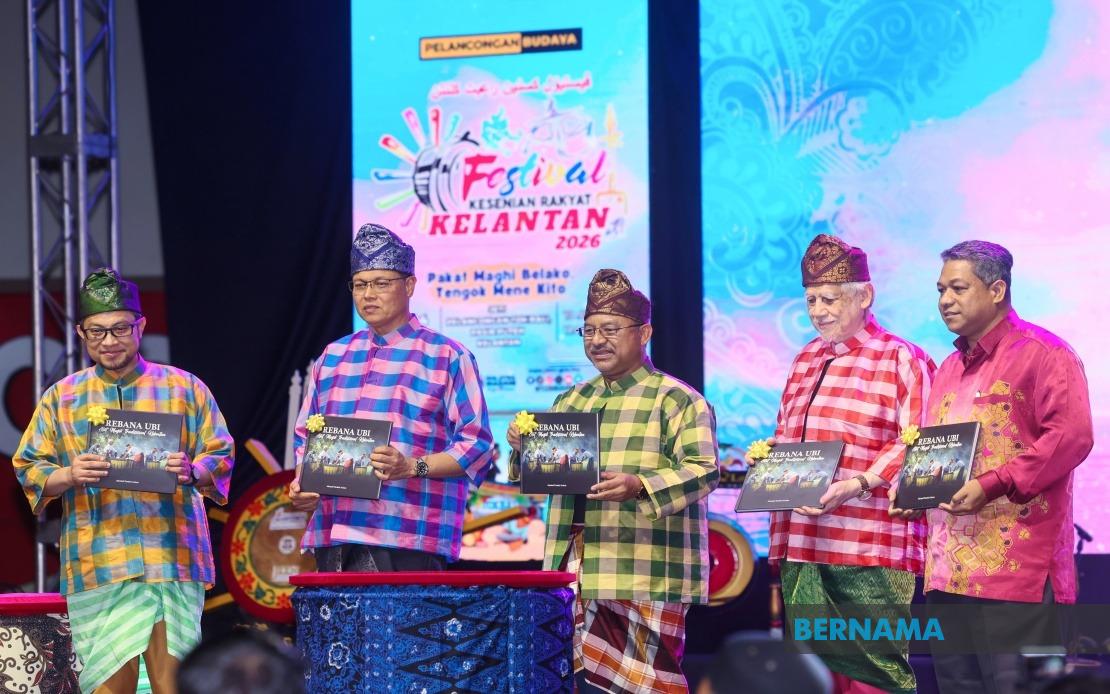
The Kelantan Arts Festival 2026 proved a significant showcase for the nation's commitment to cultural preservation and social cohesion. Running from July 1 to 4 at Tok Bali Tourism Jetty in Pasir Puteh, the four-day celebration served as a tangible expression of Malaysia MADANI principles through art and heritage. Organised by the Ministry of Tourism, Arts and Culture (MOTAC) through the National Department for Culture and Arts (JKKN), the festival drew support from the Kelantan state government and private partners, creating a collaborative platform that reflected the multi-level governance approach to cultural promotion across Malaysia.
Central to the festival's messaging was the concept of unity through artistic expression. The centrepiece performance, "Titih Bonda Pusaka Ayahanda," featured a multi-racial percussion ensemble that visually and sonically embodied principles of social harmony. This deliberate programming choice underscored how traditional arts need not divide along ethnic or religious lines but can instead serve as connective tissue within plural societies. By positioning music and performance as vehicles for shared understanding, the festival addressed a contemporary need in Malaysia's ongoing nation-building efforts, particularly relevant as communities navigate questions of identity and belonging.
The breadth of talent assembled for the festival demonstrated the depth of Kelantan's artistic tradition. Performers included established figures such as Roy Kapilla and Amy Search alongside traditional specialists like the Dikir Barat Kala Mahajara ensemble and the Mak Yong Kijang Mas troupe. This intergenerational mixing of contemporary entertainers with custodians of classical forms created an implicit statement about cultural continuity. Rather than treating heritage arts as museum pieces, the festival positioned them as living traditions capable of evolution and relevance. Datuk Dr Lim Swee Tin, Paksu Agil, Megat Haikal, and Zamry Gerak Khas contributed their own distinctive interpretations, suggesting that Kelantan's artistic identity encompasses multiple registers and aesthetics.
The festival's interactive structure extended cultural participation beyond passive spectatorship. Visitors engaged in traditional dance competitions specifically designed for children, signalling an investment in cultural transmission to younger generations. The "Mek and Awe Comey" competition, structured as a traditional costume fashion show, reframed heritage clothing as contemporary aesthetic practice rather than historical artifact. The ADABI cooking competition similarly positioned culinary traditions as living practices open to friendly competition and public appreciation. These activities transformed cultural heritage from something viewed in performance spaces into something actively practiced and evaluated by community participants.
Craft demonstrations and product sales integrated economic dimensions into cultural preservation. By creating marketplaces for traditional artisans, the festival acknowledged that sustainable cultural practice requires viable livelihoods. This approach recognises that heritage cannot depend solely on government subsidy or tourist curiosity but must provide opportunities for practitioners to sustain themselves through their skills. For regions like Kelantan, where traditional crafts represent significant cultural capital, such visibility and commercial opportunity hold material importance.
The presence of government agency exhibitions and NGO participation broadened the festival's institutional reach. This involvement signalled that cultural preservation represents a whole-of-society endeavour rather than the exclusive domain of arts ministries. By incorporating multiple stakeholders, the festival modelled collaborative approaches to heritage management that extend beyond traditional cultural institutions.
The community feast dimension introduced elements of shared sustenance and collective celebration into the festival's structure. In Malaysian context, communal eating holds profound social significance, transcending mere nutrition to embody concepts of togetherness and mutual care. By incorporating this element alongside performances and competitions, the festival created multiple entry points for participation and multiple registers of cultural expression.
Kelantan Menteri Besar Datuk Mohd Nassuruddin Daud's participation in officiating the opening ceremony underscored state-level political commitment to cultural programming. The presence of State Tourism, Culture, Arts and Heritage Committee chairman Datuk Kamarudin Md Nor and JKKN director-general Mohd Amran Mohd Haris similarly demonstrated institutional prioritisation. This political visibility matters for signalling that culture constitutes a legitimate policy domain worthy of high-level attention.
Touching on Malaysia MADANI values through concrete festival programming represents an important translation mechanism between philosophical concepts and lived experience. Rather than remaining abstract, Malaysia MADANI finds expression through multi-racial musical ensembles, intergenerational artistic transmission, and community participation. For Malaysian audiences, particularly in East Coast states navigating distinct political and cultural circumstances, such tangible manifestations of national values provide grounding.
The festival's location in Pasir Puteh specifically, accessed via Tok Bali Tourism Jetty, rooted celebration within distinctive Kelantan geography. Rather than centralising cultural programming in Kuala Lumpur or major urban centres, bringing the festival to smaller towns acknowledged that cultural heritage exists distributed across the nation's regions. This decentralisation matters for reinforcing that culture belongs not only to capital cities but to all communities.
Looking forward, the Kelantan Arts Festival 2026 establishes precedent for how Malaysian cultural institutions can structure festivals around principles of participation, multi-community expression, and economic sustainability. The model moves beyond preservation toward active engagement, positioning heritage not as something locked away but as something communities actively practice and celebrate. For a nation navigating complex questions of cultural identity and national cohesion, such programming provides concrete mechanisms for strengthening bonds across different communities.

