The cabin of an aeroplane presents an extraordinarily harsh environment for human skin. At cruising altitude around 10,000 metres, passengers find themselves in conditions far removed from normal ground-level moisture. This reality has sparked a phenomenon on social media platforms like Instagram and TikTok, where frequent flyers showcase increasingly elaborate skincare regimens designed to combat the effects of high-altitude flying. Yet complexity is not necessarily the answer; rather, understanding the science behind in-flight skin dehydration and adopting a strategic, simplified approach yields better results.
The fundamental problem stems from cabin humidity levels, which plummet to merely 10 to 20 percent during flight, according to dermatologists. This contrasts sharply with the 40 to 60 percent humidity that our skin experiences in typical ground environments. Dr Azadeh Manesh, a doctor at a skin care clinic in London, explains that this dramatic drop accelerates transepidermal water loss, a process where the skin's protective barrier allows moisture to escape at rates far exceeding normal conditions. The consequences manifest as skin tightness, visible dehydration, and a dull, flattened complexion that leaves many passengers disappointed upon arrival.
Long-haul flights present a considerably greater challenge than short regional hops. The extended duration of exposure to ultra-dry cabin air compounds cumulative moisture loss, making dedicated in-flight skincare interventions increasingly necessary. Dr Bernard Ho, a consultant dermatologist and spokesperson for the UK's Skin Health Alliance, emphasises that managing flight-related skin issues requires a three-stage approach: preparing skin adequately before boarding, implementing appropriate care during the flight itself, and maintaining proper aftercare upon landing. This holistic perspective distinguishes effective skin management from merely dabbing moisturiser onto an already-compromised complexion mid-flight.
Pre-flight preparation proves crucial to success. In the days leading up to travel, passengers should intensify their moisturising routines while strategically eliminating certain skincare elements. Dr Ho strongly advocates for discontinuing active ingredients such as alpha-hydroxy acids, beta-hydroxy acids, and retinol at least 24 to 48 hours before flying. While individuals with oily skin might typically prioritise oil control, the aeroplane cabin inverts this concern entirely. The dryness experienced at altitude overwhelms any baseline oiliness, making barrier protection and hydration the paramount objectives during travel rather than traditional sebum management.
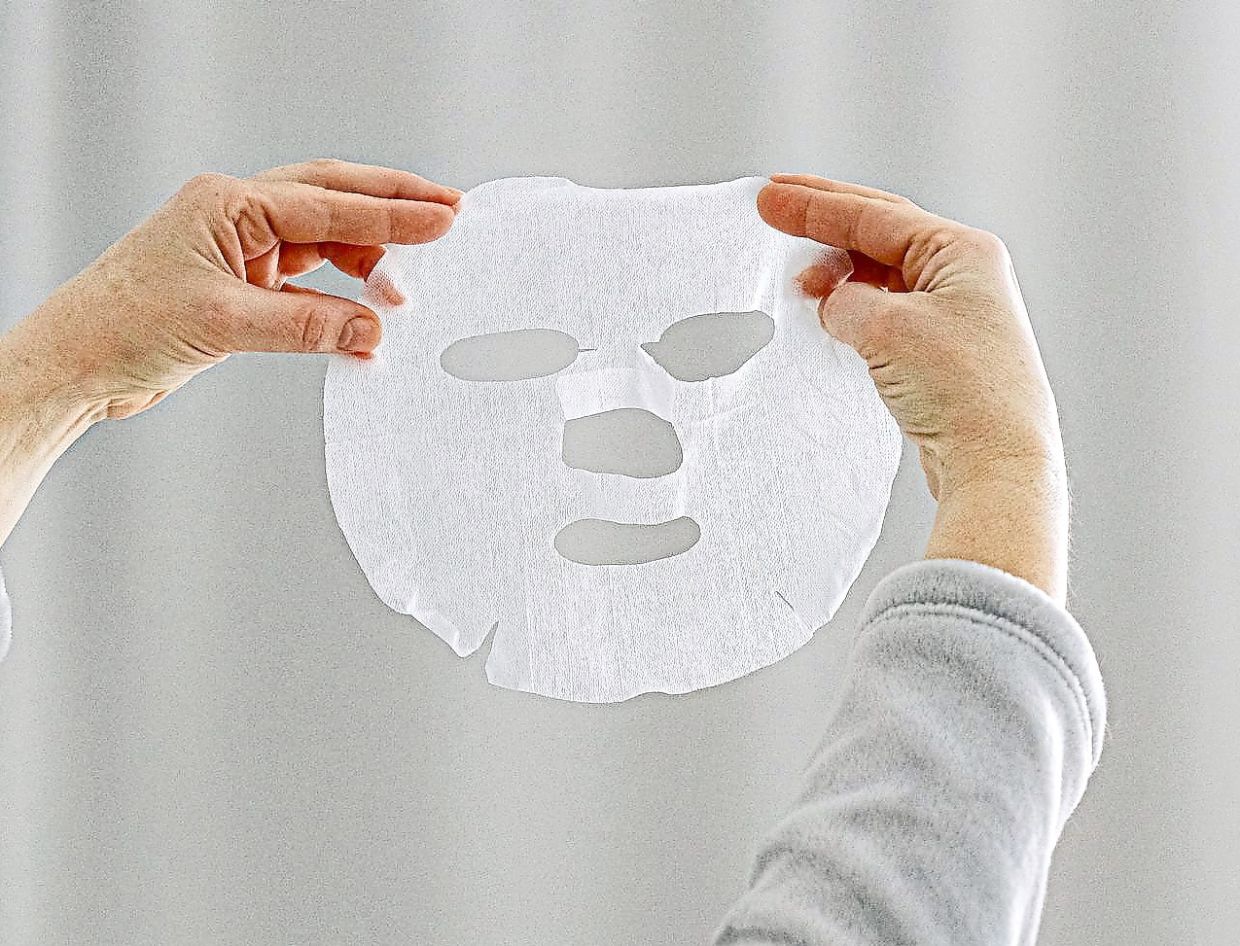
During the actual flight, simplicity becomes the watchword. Elaborate multi-step routines involving face masks and numerous products create sanitary concerns on aircraft and risk overwhelming the skin barrier, potentially triggering increased sensitivity. Dr Ho personally employs micellar water applied to a toner pad for gentle facial cleansing, followed by a straightforward moisturiser. This minimalist approach eliminates unnecessary complexity while maintaining effectiveness. For daytime flights, inclusion of broad-spectrum sunscreen remains important, with reapplication every four to five hours. Even passengers who skip in-flight sunscreen should apply protection immediately upon deplaning if heading to sunny destinations, since UV exposure intensifies significantly once outside the aircraft.
One critical mistake that dermatologists frequently observe involves passengers overloading their skin with excessive products. Dr Manesh warns that layering too many ingredients, particularly those containing acids or retinol, transforms skincare into a counterproductive exercise that sensitises the skin rather than protecting it. She recommends a streamlined routine comprising a hydrating serum, a rich moisturiser to seal in hydration, and daytime sunscreen when appropriate. This targeted approach acknowledges that aircraft cabin conditions require barrier reinforcement above all other skincare considerations.
Humectants—ingredients that actively attract and retain moisture—form the foundation of effective flight skincare. Glycerin and hyaluronic acid represent the most widely recognised and accessible options, drawing water into the skin's upper layers. Dr Ho additionally highlights panthenol as a valuable humectant with proven moisturising properties, and mentions ectoin as an emerging ingredient offering both hydration and anti-inflammatory benefits. Ceramides, which support the skin's natural barrier function, also deserve inclusion in flight skincare products. However, Dr Ho reasonably concludes that almost any moisturiser provides better protection than none; the specific formulation matters less than consistent application of something hydrating.
Sealing hydration proves equally important as introducing it. Once humectants deliver moisture into the skin, an occlusive moisturiser must prevent that moisture from escaping back into the cabin's arid air. Dr Manesh emphasises this sealing function, noting that without a protective occlusive layer, hydration gains evaporate just as rapidly as they accumulate. The transepidermal barrier, already compromised by extreme dryness, requires reinforcement through products containing emollients and occlusive ingredients that restore its integrity.
Beyond topical skincare applications, internal hydration demands equal attention. Both experts recommend consuming substantial quantities of water throughout the flight. Conversely, alcohol and salty snacks accelerate skin dehydration and should be avoided or minimised. Heavy makeup application compounds the problem by occluding skin pores and trapping impurities, potentially triggering congestion and breakouts. Light makeup presents a reasonable compromise, but passengers should resist the temptation to apply multiple layers that stress an already-vulnerable skin barrier.
A seemingly innocuous habit actually sabotages in-flight skincare efforts: using makeup wipes to cleanse the face during flight. Dr Manesh specifically cautions against this practice because makeup wipes, despite their convenience, significantly increase transepidermal water loss through their mechanical action. The scrubbing motion and the wipes' formulation actively strip the skin of protective lipids, exacerbating dehydration rather than improving skin condition. Micellar water applied gently with a soft pad represents a superior alternative that cleanses without compromising the skin barrier.
For Malaysian and Southeast Asian travellers heading to international destinations, these principles become particularly relevant given the region's strong tourism connections and frequent business travel. The contrast between tropical climates at ground level and aircraft cabin conditions creates an especially jarring transition for skin accustomed to humid environments. Implementing these expert recommendations ensures that travellers arrive refreshed rather than weathered, maintaining skin quality despite the inherent stresses of modern air travel. The investment in simplified, strategic skincare during flights yields visible returns, transforming what was once an unavoidable consequence of flying into a manageable challenge.

