Gardeners concerned about soil contamination face an often-overlooked threat: the slow accumulation of microplastics in the earth where they grow food and ornamental plants. These minuscule plastic particles, which result from the breakdown of larger plastic goods, have infiltrated virtually every ecosystem on the planet—from drinking water to the human bloodstream—yet the problem in domestic gardens remains largely unexamined. For those committed to producing healthy vegetables and maintaining fertile soil, the materials chosen for containers, structural supports, and soil amendments merit careful consideration, as they directly shape the environment where food is cultivated.
Microplastics originate from a wide array of household and consumer products. Food storage containers, kitchen implements, detergent bottles, and synthetic textiles all shed microscopic fragments as they age and degrade. These particles eventually enter soil and water systems, where they persist indefinitely and can interfere with the complex ecosystem of bacteria and fungi that sustains plant growth. The presence of microplastics in garden beds represents both a direct consequence of consumer choices and an accumulating problem that gardeners can meaningfully address through deliberate purchasing and cultivation practices.
The most straightforward intervention involves reconsidering how seeds are started and young plants are housed during their early growth stages. Rather than purchasing conventional plastic seed trays—which are used briefly before being discarded—gardeners can invest in soil-blocking kits that use reusable metal moulds to compress a mixture of compost, peat moss, perlite, and nutrients into self-supporting cubes. This approach eliminates plastic waste while delivering a practical horticultural benefit: the compressed cubes naturally air-prune developing roots, preventing them from circling the pot sides as they do in confined containers. Plants grown this way transition more readily into garden beds and establish themselves more quickly, offsetting the initial investment in equipment.
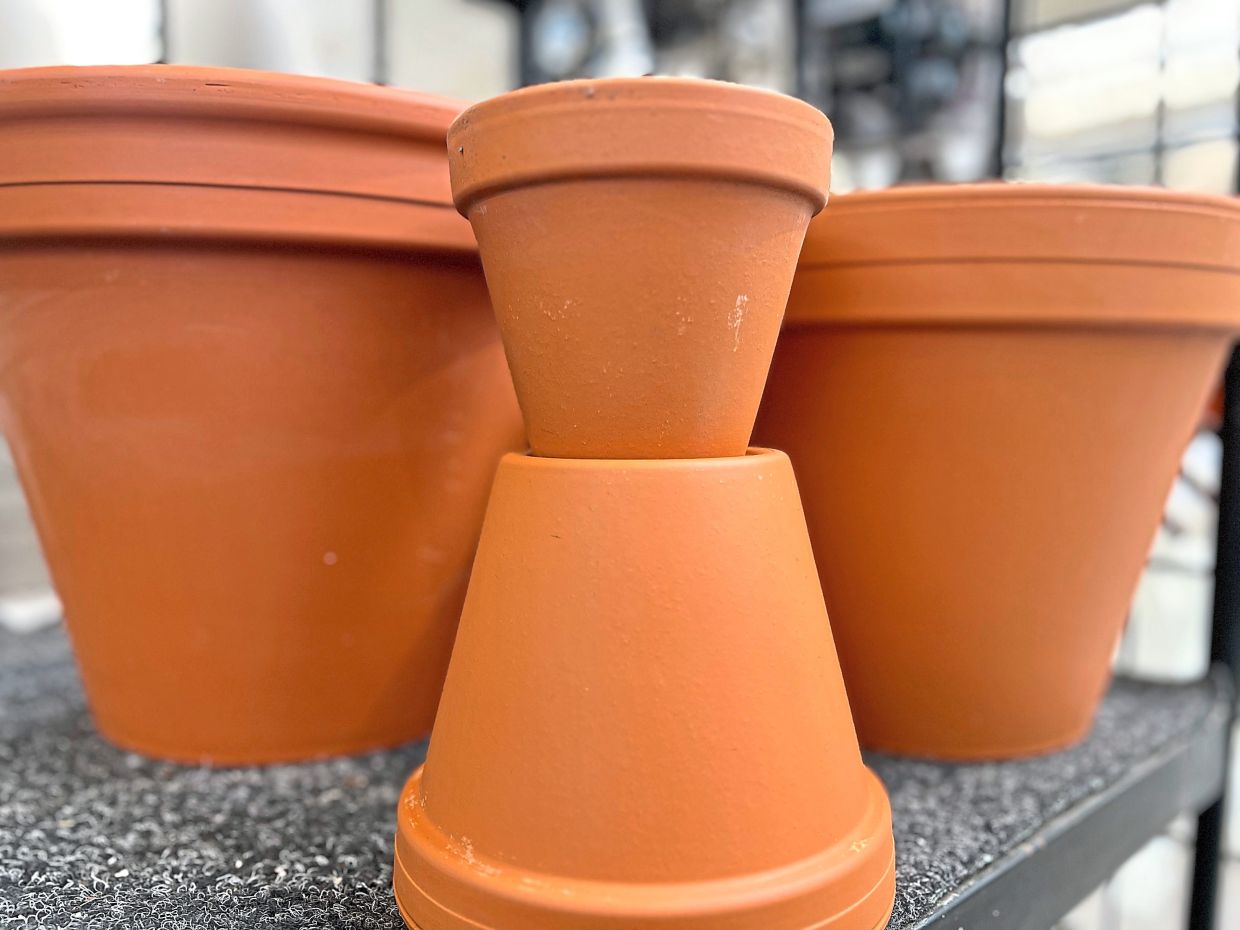
For those unwilling to adopt soil-blocking techniques, alternatives exist in the form of containers made from coir—the fibrous husk of coconuts—or composted manure. These biodegradable options perform identically to plastic but break down harmlessly when no longer needed. Larger plants benefit from terracotta pots and wooden containers, both of which offer durability, aesthetic appeal, and the assurance that no synthetic residues will accumulate in the soil. Fabric grow bags, available in multiple sizes and increasingly popular for vegetables like potatoes, herbs, and tomatoes, represent another plastic-free option provided they are manufactured from natural fibres rather than synthetic polymers. Examining product labels before purchase ensures that fabric structures are genuinely natural rather than misleadingly marketed.
Plant selection itself offers an overlooked opportunity to reduce plastic use. Nurseries typically sell plants in plastic pots, which represent a significant source of plastic entering gardens each season. Seeking out bare-root specimens—plants sold without soil or containers—eliminates this exposure entirely. While bare-root plants require immediate planting and careful attention during establishment, they cost less than containerised counterparts and arrive without unnecessary packaging. For gardeners with space and commitment, starting a compost pile addresses two problems simultaneously: it reduces the volume of purchased soil and fertiliser required, and it eliminates the plastic bags in which bagged amendments are sold. Home-made compost also provides complete transparency about the substances applied to growing beds, a quality increasingly valued by food-producing gardeners.
Beyond containers and plant material, the infrastructure supporting gardens warrants examination. Canvas tarps can replace plastic sheeting for protecting beds, storing materials, or covering structures. Landscape fabric, often touted as a labour-saving weed barrier, introduces synthetic polymers directly into soil where they fragment over years—wood chips, shredded bark, and dry leaves accomplish the same function without leaving permanent residues. Fire-conscious gardeners in high-risk zones should substitute gravel, which poses no contamination risk. Supporting structures for climbing plants and tall vegetables traditionally employ plastic stakes and ties; bamboo, wood, and metal stakes are widely available alternatives, secured with natural twine made from hemp or jute. Even plant markers, essential for tracking varieties in mixed beds, can be fashioned from wooden popsicle sticks rather than purchased from plastic.
Where plastic use proves unavoidable, prioritising durability extends the useful life of items and reduces the frequency with which replacements must be purchased. Heavy-duty seed trays or plant containers that withstand multiple growing seasons represent a pragmatic compromise for gardeners unable to transition entirely to alternative materials. This graduated approach acknowledges that perfect elimination of plastic from gardening is neither immediately feasible nor realistic for most practitioners, while still establishing a trajectory toward reducing microplastic introduction into soil.
The cumulative impact of these individual choices extends beyond personal gardens. As gardeners abandon single-use plastics and normalise alternatives, market demand shifts toward manufacturers of sustainable products, creating economies of scale that lower prices and expand availability. Neighbourhoods where multiple households adopt plastic-conscious gardening practices collectively reduce the microplastic load entering local waterways and soil. For regions like Malaysia, where monsoon rains intensify stormwater runoff and where agricultural soils support significant food production, the contamination of growing media carries particular significance.
Implementing these changes need not require significant financial outlay. Bulk compost purchase, often available from municipal waste facilities or agricultural suppliers, costs substantially less than bagged alternatives while reducing packaging waste. Canvas tarps, wooden structures, and natural twine are competitively priced against their plastic equivalents when total lifespan is considered. The investment in a soil-blocking kit, while notable upfront, amortises across years of use. For cost-conscious gardeners, the transition away from plastic represents not a financial burden but an opportunity to reduce unnecessary expenditure while simultaneously benefiting soil health and environmental integrity.

