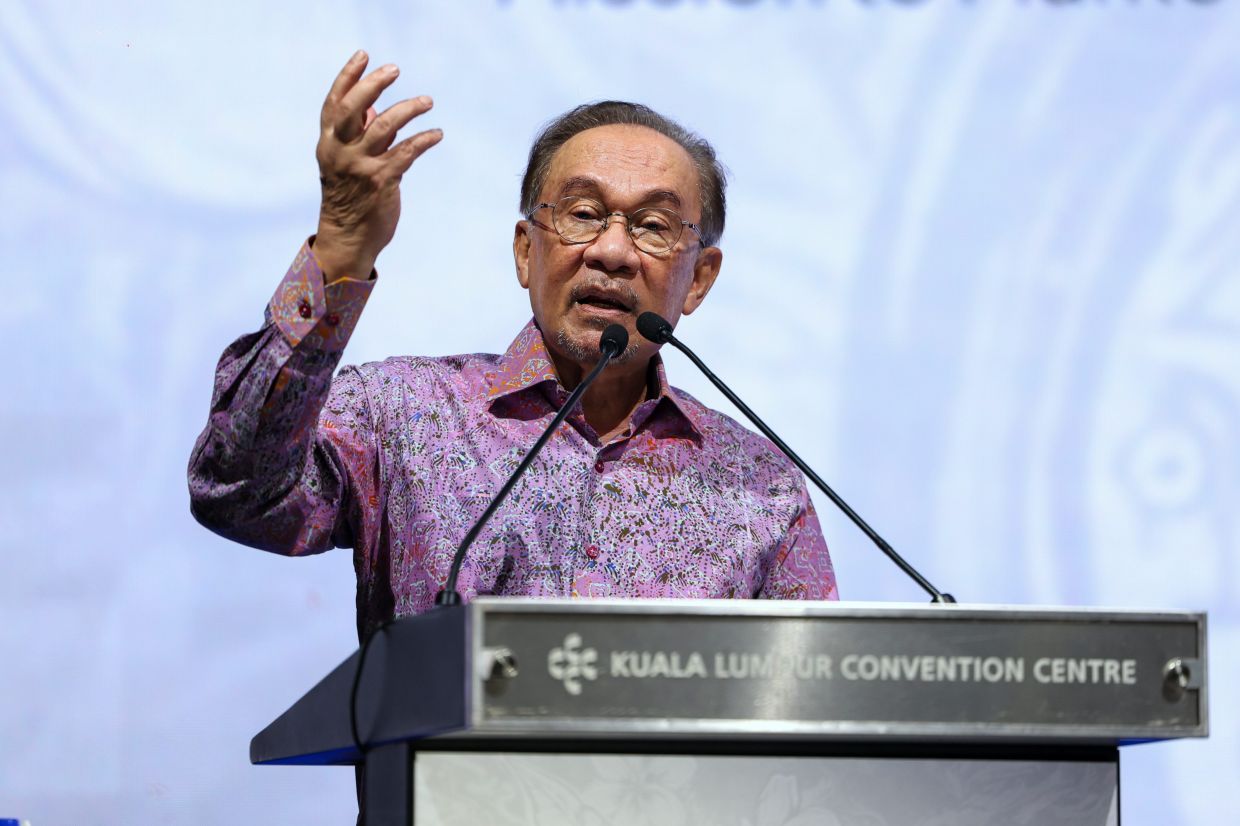
Malaysia's Ministry of Home Affairs and the Film Censorship Board have signalled a shift towards granting the nation's film industry more room for creative expression, even as they maintain their core responsibility to protect national security and social cohesion. The announcement follows pressure from Prime Minister Datuk Seri Anwar Ibrahim for authorities to allow filmmakers greater space to experiment and develop critical perspectives, reflecting broader efforts to position Malaysia's creative sector as innovative and internationally competitive.
The policy adjustment represents an attempt to reconcile two seemingly contradictory imperatives: fostering a vibrant, mature film ecosystem that can compete regionally and globally, whilst simultaneously ensuring that content adheres to Malaysia's laws and cultural values. Officials framed this balance as essential, stating that openness in creative expression and responsibility towards national interests must operate in tandem rather than opposition. This nuanced position signals recognition that overly restrictive censorship regimes can stifle industry growth and creative talent, potentially driving filmmakers abroad or pushing them toward underground production channels that escape official oversight entirely.
The Film Censorship Board has clarified a critical distinction in how it operates under the Film Censorship Act 2002, separating classification from censorship as two related but distinct processes. Classification determines age-appropriate suitability, placing films into categories based on the intended audience demographic. Censorship, by contrast, involves comprehensive evaluation of content against existing legal frameworks, government policies, and established guidelines. This differentiation is significant because it explains how a film can receive an age classification—such as for mature audiences—without being automatically exempted from the censorship review process. In practice, a film designated for adult viewing still undergoes full evaluation by the board's censors.
A crucial implication of this framework is that content will not automatically face cuts simply because it receives an adult classification. The board indicated that if evaluators determine material is appropriate for retention within its designated age category, the film may proceed without modification. This represents a subtle but meaningful shift from interpretations that treated all mature content with automatic suspicion. The censorship review now ostensibly weighs scenes, dialogue, audio quality, narrative themes, character behaviour, and broader storytelling context, suggesting that nuance and artistic intention factor into decision-making rather than mechanical application of blanket rules.
Yet the statement also reinforces that this expanded latitude operates within firm boundaries. The censorship board retains the authority to require modifications or deny screening approval altogether if content fails to meet stipulated requirements. Material perceived to threaten national security, incite disorder, violate religious sensitivities, compromise public morals, or undermine societal social and cultural fabric will continue to face stringent scrutiny. This language suggests that whilst creative expression enjoys newfound protection, political content, religious material, and socially sensitive subjects remain subject to considerable regulatory oversight.
For Malaysian filmmakers, the practical implications remain somewhat ambiguous. The policy document promises a more progressive approach grounded in professional evaluation and contextual analysis rather than formulaic censorship. However, without specific examples or guidelines clarifying which types of content would qualify for expanded latitude under the new framework, filmmakers face lingering uncertainty about acceptable boundaries. Directors and producers will likely proceed cautiously, testing regulatory tolerance incrementally rather than confidently pursuing boundary-pushing projects.
The emphasis on international considerations adds another layer of complexity. The Film Censorship Board explicitly considers how content might affect Malaysia's international image, bilateral relationships with other nations, or regional harmony when evaluating submissions. This criterion creates potential for films addressing historical grievances, geopolitical disputes, or cross-border sensitivities to face obstacles regardless of their domestic artistic merit. Such international dimension reflects Malaysia's position as a Muslim-majority nation navigating complex relationships across diverse Southeast Asian and global contexts.
Prime Minister Anwar Ibrahim's intervention proved catalytic in prompting this recalibration. His call for creative latitude aligns with his government's broader modernisation agenda and efforts to position Malaysia as an innovative economy capable of competing in digital and creative sectors. The film industry represents a strategic asset for Malaysia's soft power projection and cultural influence across the Southeast Asian region and beyond. Restrictive censorship regimes can undermine these ambitions, creating brain drain as talented filmmakers seek opportunities in more permissive regulatory environments elsewhere.
The timing of this policy adjustment carries significance for regional developments in Southeast Asia, where several neighbouring countries are simultaneously grappling with balancing censorship and creative freedom. Thailand, Singapore, and Vietnam all maintain state-controlled or heavily regulated film industries, yet increasingly face pressure from younger audiences and international production companies seeking more flexible regulatory frameworks. Malaysia's recalibration potentially positions it as a relatively more attractive destination for regional film production, though significant restrictions remain.
Implementation of this supposedly more progressive approach will require training and cultural shift within the Film Censorship Board itself. Evaluators accustomed to applying conservative standards must develop capability for contextual, nuanced assessment whilst resisting pressure to revert to conservative interpretations. The quality of training and clarity of internal guidelines will largely determine whether this initiative represents genuine liberalisation or merely rhetorical repositioning with minimal practical effect.
Industry observers note that policy statements carry limited force without accompanying legislative reform or published guidance detailing exactly which content categories and subject matters qualify for expanded consideration. The absence of explicit clarity means the Film Censorship Board retains considerable discretionary power, potentially enabling inconsistent application across different films or genres. Filmmakers and producers would benefit from more detailed parameters, published decisions, or appeal mechanisms to understand the scope of newfound creative latitude.
The dialogue between the Ministry of Home Affairs and the Prime Minister's office also reflects evolving tensions within Malaysia's bureaucracy regarding creative regulation. Younger government officials and appointed technocrats tend to favour innovation-enabling policies, whilst career civil servants often prioritise stability and conservative risk management. Such internal debates will shape how aggressively the Film Censorship Board implements its purported new progressive framework.
Looking forward, whether this initiative meaningfully expands creative space or remains symbolic remains to be demonstrated through actual decisions on contested submissions. Filmmakers, industry observers, and civil society representatives will scrutinise upcoming approvals and rejections, testing whether rhetoric translates into substantive change in Malaysia's film censorship practice.

