The long-awaited Kota Bharu Integrated Bus Station Terminal, known as KB Sentral, has encountered significant construction delays that threaten to compress the already tight timeline for this major regional transport infrastructure project. State authorities confirmed that soil treatment works have slipped three weeks behind the originally planned schedule, with actual completion now standing at just 40.07 per cent of the phase compared to the target of 47.26 per cent that should have been achieved by this point in the project cycle.
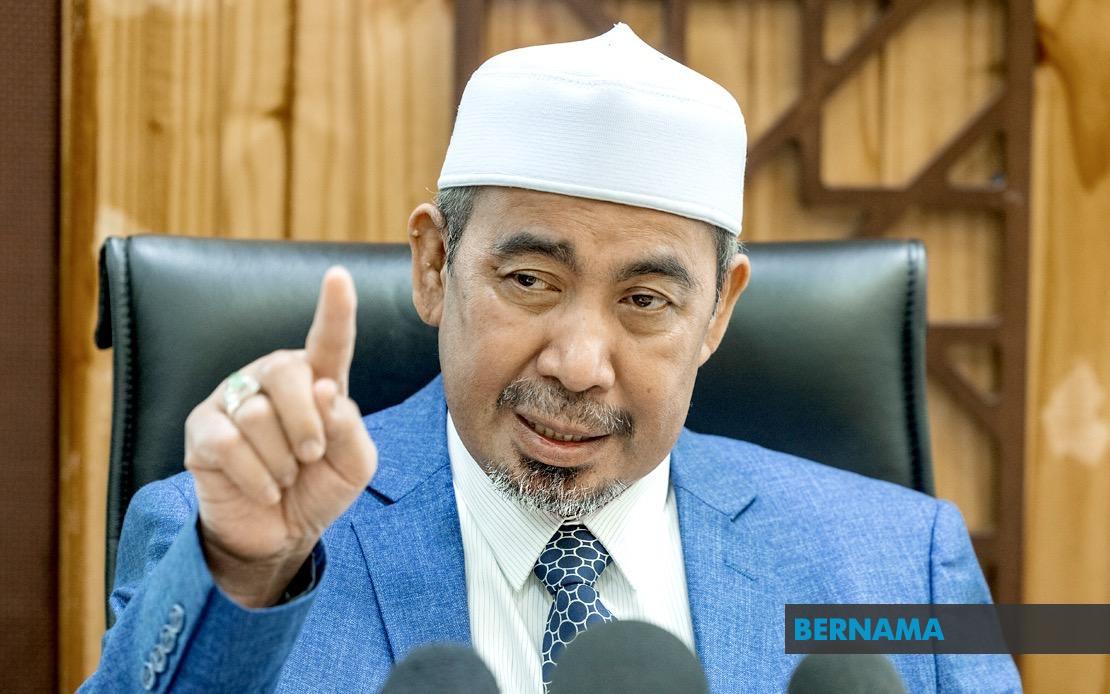
Datak Dr Izani Husin, who chairs the State Public Works, Infrastructure, Water and Rural Development Committee, disclosed the setback whilst addressing questions from state assembly members in Kota Bharu. He attributed the delay primarily to adverse weather conditions that have persistently affected the construction site, with heavy rainfall occurring throughout recent evenings and nights. These meteorological challenges have created pooling water across the project area, preventing effective ground preparation and creating a cascade of downstream complications for the construction sequence.
Beyond rainfall, the project has also experienced delays in installing the prefabricated vertical drain system, a critical technology designed to accelerate the drying process of moisture-saturated construction soil. The PVD installation is not merely a procedural step but a fundamental requirement that allows engineers to proceed with confidence that the ground will properly support the massive terminal structure planned above. Without adequate drainage, the soil risks settling unevenly, potentially compromising the integrity of the entire building and creating expensive remedial work later.
Despite these setbacks, Kelantan's infrastructure leadership has expressed cautious optimism that the soil treatment phase will still reach completion by May 17, 2027, which represents the contractual deadline for this particular stage. This confidence appears rooted in the expectation that weather patterns will normalise and that the prefabrication components will arrive and be installed without further complications. However, the margin for error has narrowed considerably, and any additional disruptions could jeopardise the entire project timeline.
The completion of soil treatment is merely a precondition for the next major phase. Construction of the actual terminal building cannot commence until June 2027 at the earliest, assuming the soil works finish on schedule. This sequential dependency means that any further slippage in the current phase will inevitably push back commencement of the main structural work, creating a domino effect that could extend the overall project completion date well beyond what has been publicly promised to commuters and stakeholders across Kelantan and neighbouring states.
The KB Sentral project itself represents a significant commitment by the Kelantan state government, which took direct control of the initiative after previous negotiations with private operator Perak Transit reached an impasse. This decision to bring the project in-house reflected growing frustration with the pace of development under the earlier arrangement, and the government determined that assuming operational responsibility was the most expedient path to delivering the facility. The assumption of control suggests that state officials believed they could accelerate progress and ensure timely completion.
Deputy Menteri Besar Datuk Dr Mohamed Fadzli Hassan had previously justified this takeover decision by emphasising the critical importance of meeting project deadlines. With Kelantan's transport infrastructure lagging behind other states, the pressure to deliver KB Sentral has become politically urgent. The terminal is intended to modernise regional bus operations and improve connectivity for residents travelling between Kelantan and other parts of Malaysia, making it a flagship project for infrastructure development in the economically developing northeast corridor.
The delay raises broader questions about project management capacity within the state government's infrastructure division and the resilience of construction timelines in Malaysia's tropical climate. While 21 days may seem modest in a project extending across several years, the fact that the delay has already accumulated suggests systemic challenges rather than isolated incidents. Weather-related disruptions are predictable in Malaysia's monsoon seasons, yet the project appears to have been scheduled without adequate buffer periods to accommodate seasonal precipitation patterns.
For businesses and transport operators in Kelantan, the extended timeline represents additional uncertainty in their planning. Many have anticipated that KB Sentral would consolidate and modernise local bus services, potentially reducing operational costs and improving service frequency. Each month of delay pushes back these potential benefits and maintains the current fragmented transportation system. Regional passengers who depend on intercity buses for economic and social mobility also face extended waiting periods before accessing the improved facilities and services that KB Sentral promises to deliver.
The project's challenges also carry implications for Malaysia's broader infrastructure development narrative. As the country pursues Vision 2050 and seeks to enhance regional balance, projects like KB Sentral in secondary cities deserve careful monitoring. Cost overruns and schedule slippages in flagship regional projects can dampen confidence in future infrastructure investments and affect the government's credibility in delivering promises to non-Klang Valley constituencies, a politically sensitive matter in Malaysia's polarised electoral landscape.
Moving forward, authorities will need to implement more aggressive management protocols to prevent further deterioration of the schedule. This might include deploying additional drainage equipment, adjusting work patterns to accommodate seasonal weather, or bringing in supplementary workforce during critical phases. The May 2027 soil treatment deadline, whilst still achievable, should be treated as a hard constraint that cannot be negotiated further without triggering wider project implications.

