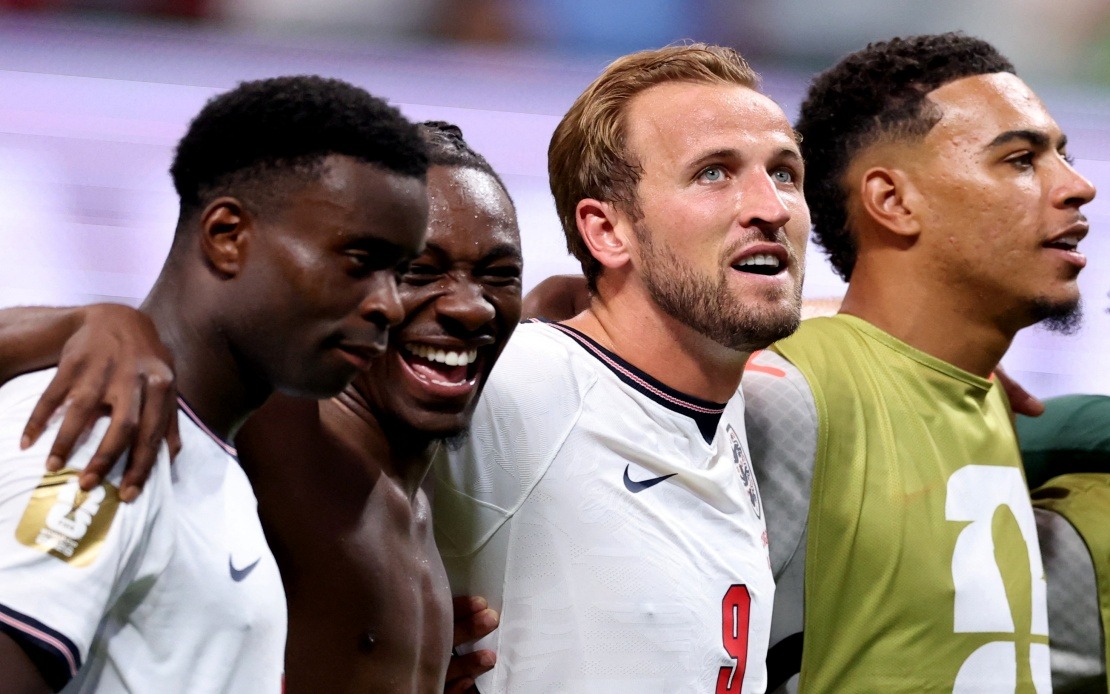
Harry Kane's two clinical finishes in the second half rescued England from an alarming World Cup scare as they edged past the Democratic Republic of the Congo 2-1 in Atlanta on Wednesday. The Three Lions had trailed after Brian Cipenga's early breakthrough, leaving them vulnerable to elimination at the knockout stage—a prospect that would have echoed the painful memory of their Euro 2016 collapse to Iceland. Under Thomas Tuchel's guidance, the team managed to navigate the crisis and advance to face co-hosts Mexico in the round of 32, though the narrow escape has raised uncomfortable questions about their resilience under pressure.
The Democratic Republic of the Congo's historic first appearance in a World Cup knockout match proved far more competitive than many expected. Playing with the spirit of underdogs with nothing to lose, they exposed significant vulnerabilities in England's defensive setup during the opening stages. Cipenga's opportunistic finish early in the contest appeared to compound England's troubles, suggesting that another chapter of World Cup underperformance might unfold. The African nation's attacking intent and willingness to press high caught their opponents off guard, forcing England into a reactive rather than proactive approach throughout the first half.
Congo's goalkeeper Lionel Mpasi emerged as a formidable obstacle to England's attacking ambitions, making several outstanding saves when the pressure mounted. The inspired shot-stopper single-handedly kept his team in contention through sheer determination and quality keeping. Wissa's effort that struck the woodwork late in the first period illustrated just how close Congo came to extending their advantage further, while Kane's frustration at being denied what he believed was a clear penalty only added to the mounting tension in the stadium. These moments underscored how the match could have spiralled completely away from England had fortune tilted further against them.
The second half witnessed a transformation in England's approach, though not through dramatic tactical innovation but rather through improved execution and clinical finishing. Substitute Anthony Gordon's introduction from the bench provided fresh energy and attacking impetus down the flank. His creative interventions proved decisive, as he twice found Kane in positions where the veteran striker could apply the finishing touch that had been absent during the sterile opening period. The captain's ability to remain composed and convert these opportunities demonstrated the quality that separates elite players from the merely good, even when circumstances have not favoured his team.
This victory carried particular historical weight, marking the first occasion since the 1966 World Cup final that England had successfully overturned an early deficit in a knockout match on football's biggest stage. That comparison underscores both the rarity of such comebacks and the emotional investment surrounding England's performance. The fact that it took a half-century to achieve this feat suggests either defensive frailty or the exceptional nature of seizing second-chance opportunities—or perhaps both.
For Malaysian and Southeast Asian observers, this result offers several instructive lessons about tournament football at the highest level. The unexpected competitiveness of the Democratic Republic of the Congo demonstrates that preparation, organization, and commitment can partially compensate for disparities in individual quality. However, the eventual outcome also illustrates that elite teams often possess the reserve capacity to recover from setbacks through superior individual talents and composure. England's narrow escape will likely neither convince them they have solved their defensive problems nor encourage complacency about the challenges ahead.
The encounter with Mexico in the next round promises to be considerably more demanding. The co-hosts bring not only geographical advantage and passionate home support but also a pragmatic, experienced squad capable of implementing a disciplined tactical framework. Mexico's record in tournament knockout stages suggests they understand how to frustrate opponents and create opportunities on the counter-attack—precisely the approach that nearly undid England against Congo. If Tuchel's team fails to address their defensive vulnerabilities convincingly, the Mexicans possess sufficient quality to punish them decisively.
Tuchel's post-match assessment will likely focus on the second-half improvement while acknowledging the concerning defensive lapses that nearly proved fatal. His substitution strategy, bringing Gordon off the bench to inject pace and creativity, appeared vindicated by the outcome, yet questions remain about why such measures were required in the first place. In tournament football, teams cannot rely on coming from behind repeatedly—the law of averages suggests such margins narrow dangerously as competition intensifies.
The broader narrative surrounding this World Cup continues to emphasize the unpredictability of knockout football. Congo's performance, despite the ultimate defeat, demonstrates that the tournament's early rounds retain the capacity to produce genuine surprises. For teams harbouring serious ambitions about the trophy itself, consistency across ninety minutes rather than reactive excellence remains the prerequisite for progress. England has advanced, but the manner of their advancement raises legitimate concerns about whether they possess the solidity required to compete for the ultimate prize.

