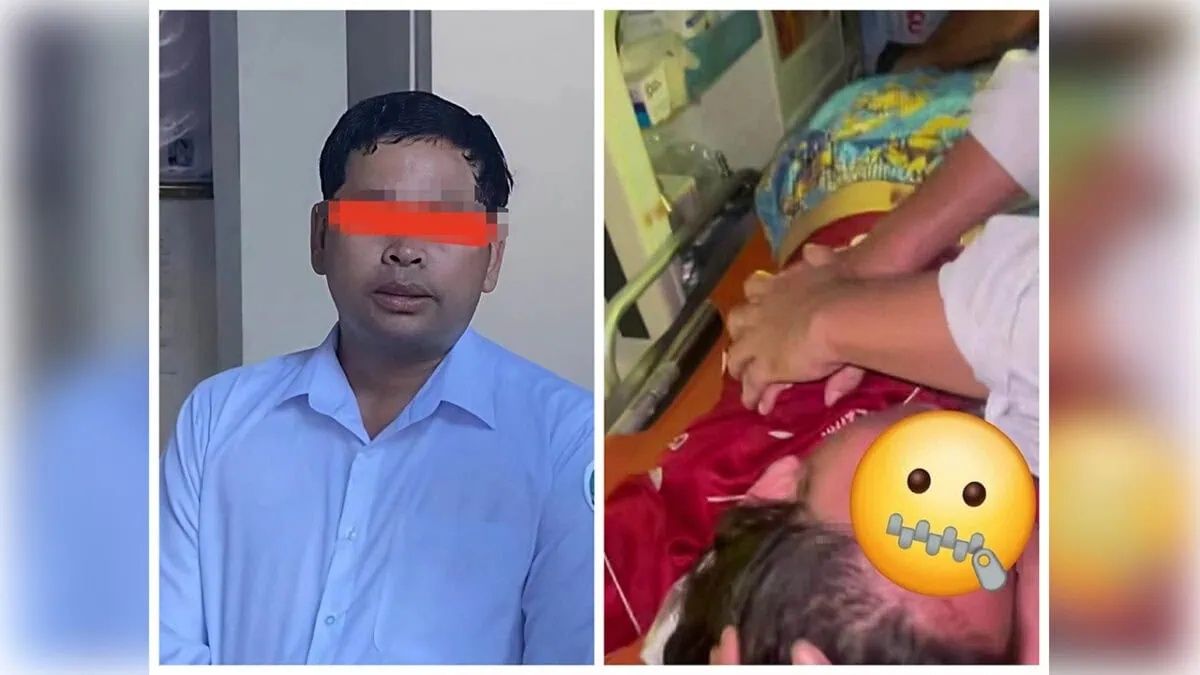
The head of a provincial health facility in Cambodia has been stripped of his leadership role following a social media firestorm over his handling of an emergency medical case. On Tuesday, Kandal provincial governor Kuoch Chamroeun implemented an administrative order removing Chhun Phally from his position as chief of Setbo Health Centre, effective immediately. Phally has been reassigned to work as a health official within the broader Kandal provincial administration, marking a significant career setback triggered by the public controversy surrounding his treatment of a teenage patient.
The sequence of events began when a 17-year-old girl was transported to Setbo Health Centre experiencing seizures and respiratory distress. During her treatment, a family member recorded video footage of the emergency procedure, initially intending to keep relatives informed of the patient's medical status. However, the recording soon circulated widely across social media platforms, generating intense public debate and criticism within hours of its posting.
The viral nature of the incident proved decisive in the outcome. Social media users raised serious allegations regarding the appropriateness of the medical response, with many commentators questioning whether the patient's dignity had been respected during the emergency intervention. Beyond concerns about conduct, numerous online critics scrutinised whether the resuscitation attempt adhered to established medical protocols and best practices. The accumulating pressure from public opinion appears to have influenced the governor's decision, as the removal order itself contained no detailed explanation for the reassignment.
Phally subsequently released a statement attempting to address the controversy. He expressed regret for any misunderstandings arising from his emergency treatment actions, emphasising that his sole motivation was preserving the patient's life during a critical medical situation. He explicitly denied intentionally engaging in any form of sexual harassment or inappropriate behaviour towards the teenager, framing his conduct as a legitimate attempt to provide life-saving intervention during an acute health crisis.
The provincial health department launched a formal investigation into the incident, with authorities tasked with determining whether medical procedures followed professional standards and whether any misconduct occurred. Acting provincial health director Kiem Piseth outlined the scope of the inquiry, indicating that investigators would examine both technical compliance with medical protocols and allegations of improper conduct. His statement carried significant weight regarding potential consequences, as he noted that disciplinary responses need not be limited to administrative action if findings support more serious allegations.
Kiem Piseth's remarks carried an unmistakable warning. He stated that should the investigation reveal evidence of misconduct or sexual harassment, authorities would pursue legal action beyond workplace disciplinary measures. This signalling suggests that Cambodian health authorities are treating the matter with considerable seriousness and recognise the reputational stakes involved for the healthcare system more broadly.
The incident has illuminated deeper systemic concerns within Cambodia's healthcare infrastructure, particularly regarding the balance between emergency medical intervention and patient protection. Healthcare professionals operate within inherently vulnerable circumstances where rapid decision-making is essential for survival outcomes, yet they must simultaneously safeguard patient dignity and privacy. The controversy reflects broader questions about whether Cambodian health workers receive adequate training in emergency protocols and whether institutional frameworks exist to prevent abuse while enabling effective emergency care.
Cambodia's healthcare system has faced recurring criticism regarding professional standards and accountability mechanisms. The Setbo Health Centre incident demonstrates how the digital era enables rapid mobilisation of public opinion around healthcare incidents, potentially amplifying concerns about institutional governance and worker conduct. In contexts where formal oversight mechanisms may be perceived as inadequate, social media scrutiny has become a de facto accountability tool, though this creates both benefits and risks for healthcare workers and patients alike.
The incident raises questions relevant to Southeast Asian healthcare systems more broadly. As medical services modernise across the region, ensuring that emergency procedures balance urgent intervention with patient rights protection remains an ongoing challenge. Training protocols, institutional oversight, and clear ethical guidelines become increasingly important as healthcare facilities handle more complex cases and operate under greater public scrutiny. The outcome of the Kandal investigation may establish precedents affecting how similar incidents are handled throughout Cambodia's provincial health system.
The timing and intensity of the public response also reflects changing expectations regarding institutional transparency and accountability in Cambodia. Whereas similar incidents might have passed with minimal external oversight in previous decades, digital connectivity now enables rapid information dissemination and collective action. Authorities appear sensitive to this reality, implementing swift administrative action while simultaneously launching formal investigation processes. However, questions remain about whether administrative reassignment constitutes adequate response or whether the investigation will identify systemic factors requiring broader reform.
The case has prompted broader conversation about necessary safeguards within Cambodia's healthcare system. Advocates are calling for strengthened protocols protecting patient dignity and privacy during emergency treatment, alongside enhanced training for healthcare workers in both medical procedures and professional conduct standards. These discussions acknowledge that effective emergency medicine requires both technical competence and ethical practice, with neither dimension negotiable in a functioning healthcare system.
As investigations continue, the outcome will likely influence how Cambodian health authorities approach similar cases in future. Whether additional disciplinary or legal action materialises against Phally remains uncertain, and the provincial health department has not yet announced investigation conclusions. The incident demonstrates how healthcare governance in Cambodia faces pressure from both traditional oversight mechanisms and emerging forms of public accountability enabled by social media connectivity.

