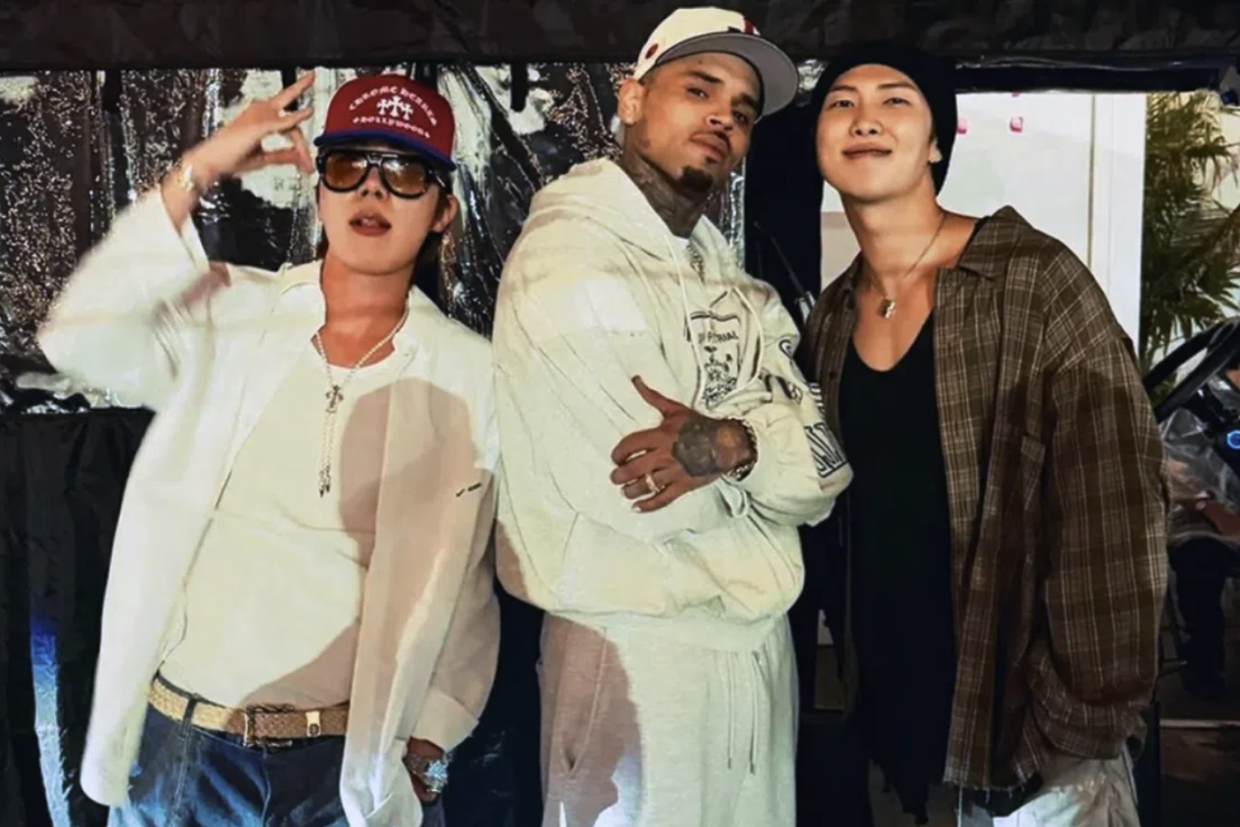
The K-pop landscape was roiled this week when photographs emerged of BTS leader Kim Namjoon and rapper Jung Hoseok attending a Chris Brown concert in Canada, prompting an intense reckoning among the group's fanbase over questions of moral responsibility and the personal choices of globally influential entertainers. Brown, an American artist whose career has been shadowed by repeated allegations and convictions involving violence, posted images from the encounter on August 13, immediately drawing scrutiny from fans and observers who questioned what the apparent show of support signified about the values these artists stood for.
Brown's troubled history extends across more than a decade of serious incidents. A 2009 conviction for domestic violence against then-girlfriend Rihanna remains the most publicly known episode, but subsequent years have seen an accumulation of allegations that paint a troubling portrait. In 2016, he faced arrest for threatening a woman with a firearm at his Los Angeles residence, though he secured bail. Two years later, accusations emerged that he had conspired with associates to sexually assault a woman at his home, allegations that were ultimately resolved through settlement. A 2019 incident in Paris resulted in his detention following rape allegations, charges that were subsequently dropped. Most recently, a 2022 yacht incident saw him accused of drugging and assaulting a woman who reported fearing for her safety. Beyond criminal matters, a Los Angeles jury in 2023 determined that Brown bore liability for a dog attack on his housekeeper's sister, ordering him to pay USD 12.9 million in damages.
The response from BTS's dedicated fanbase, commonly known as ARMY, revealed a significant fault line within the community. Some supporters expressed genuine distress, with certain fans articulating that the apparent endorsement of Brown's music constituted a form of betrayal that altered their perception of the group itself. One fan disclosed her own experience with sexual assault, explaining that witnessing celebrities she admired publicly supporting someone with Brown's record felt like a personal wound. Her statement—"I am a woman before I am an Army"—encapsulated the tension between fan loyalty and personal safety concerns that many women in the fanbase grappled with.
Defenses of the BTS members emerged swiftly on social media, with some supporters arguing that celebrities retained the right to attend concerts as private individuals without their personal entertainment choices becoming political statements. This perspective held that artists deserved autonomy in their leisure activities and that attending someone's concert did not necessarily constitute an endorsement of their entire history. However, this argument encountered fierce resistance from critics who contended that such reasoning fundamentally misunderstood the asymmetrical power dynamics at play. With BTS commanding one of the world's largest and most devoted fanbases, comprising millions of young people globally, the choices these individuals make carry ripple effects far beyond personal preference.
Critics articulated a sophisticated analysis of how celebrity silence or apparent support for controversial figures can normalize and enable continued harmful behavior. The argument extended beyond mere attendance at a concert; commentators emphasized that when globally recognized artists associate with individuals credibly accused of violence against women, they communicate an implicit acceptance that these allegations carry little weight. Some observers drew parallels to broader patterns of how men who neither perpetrate misogynistic acts themselves nor actively challenge them can still function as enablers of systemic abuse by their passivity and willingness to associate with perpetrators.
The discourse also highlighted the particular responsibility borne by artists who have built their platforms substantially through the support of young audiences, particularly young women. BTS, which has cultivated an image of progressive values and social consciousness, faced criticism for a disconnect between that public positioning and their members' personal associations. One social media user raised a pointed question about the actual audience for defensive posts: acknowledging that the celebrities themselves would likely never encounter these fan defenses on social media, but that other followers—many of whom had experienced domestic violence or abusive relationships—would certainly see them.
Within the conversation, observers referenced precedent from other prominent artists. Swedish singer Zara Larsson, who has previously collaborated with BTS, offered a contrasting example when asked which artists she would never listen to; she revealed having multiple abusers blocked on her Spotify account and specifically named Chris Brown as someone she deliberately excludes from her consumption. Her stance underscored that alternative choices existed for how internationally recognized musicians could navigate these ethical questions.
The controversy arrives amid broader tensions surrounding BTS's recent commercial partnerships and their public image. The group's collaboration with Google's artificial intelligence system Gemini, promoted through a sprawling advertisement on the Las Vegas Sphere, simultaneously generated criticism from environmentally conscious segments of their fanbase who questioned the ecological implications of AI technology. That backlash, combined with the Chris Brown concert incident, suggests that the group faces growing expectations from their audience regarding alignment between their messaging and their material choices.
For Malaysian and Southeast Asian audiences particularly, this controversy carries resonance given the region's substantial K-pop following and the fact that discussions about celebrity accountability and the responsibilities of high-profile figures reach across cultural boundaries. The debate ultimately reflects broader questions about whether fame creates obligations toward the communities that sustain it, and whether personal conduct and associations should factor into how audiences evaluate artists they support.

