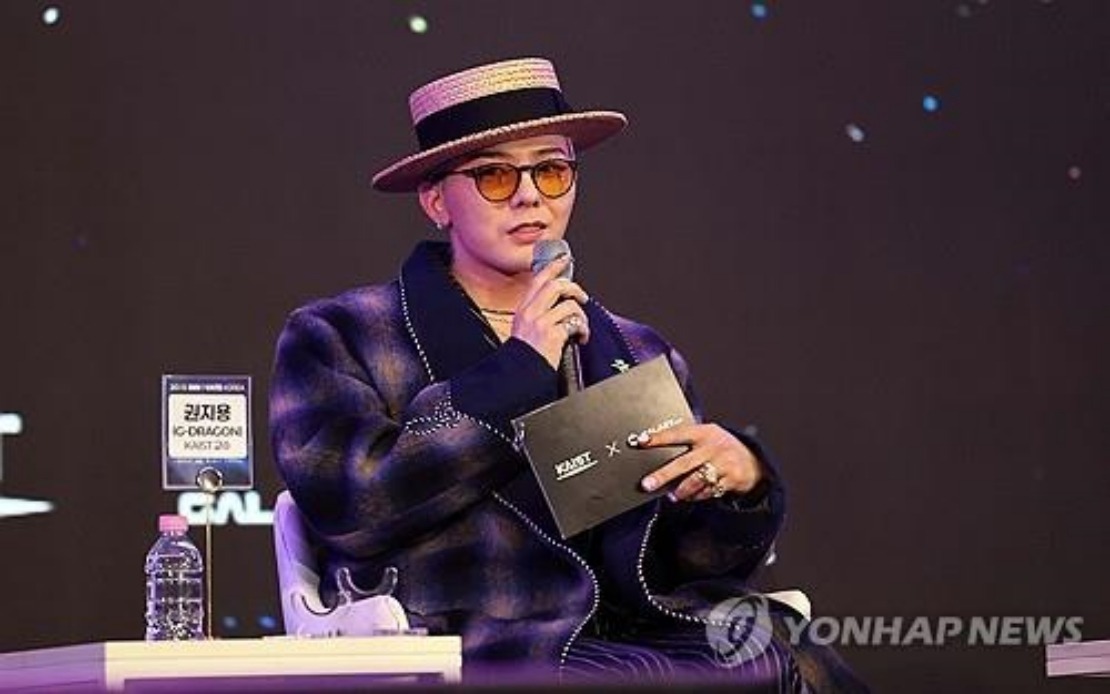
South Korea's most influential music export, G-Dragon, has secured a prominent diplomatic role ahead of the country's inaugural hosting of the UNESCO World Heritage Committee's flagship annual session. The Korea Heritage Service confirmed on Friday that the 37-year-old rapper and singer, known by his legal name Kwon Ji-yong, will serve as honorary ambassador for the 48th session scheduled to convene in Busan from July 19 to 29. This appointment underscores how cultural figures of international stature have become valuable assets in advancing diplomatic objectives and raising the profile of major international gatherings across the region.
The decision to tap G-Dragon for this high-profile ambassadorial position reflects recognition within Seoul's cultural establishment of his substantial influence beyond the music industry. The Korea Heritage Service characterised him as possessing unparalleled reach that transcends conventional K-pop boundaries, extending into broader conversations around cultural expression and artistic innovation. This assessment carries particular weight given the committee's mandate to evaluate and protect humanity's most significant cultural and natural treasures. Officials view his appointment as instrumental to broadening engagement among younger demographics and international audiences who may otherwise overlook the technical and bureaucratic dimensions of heritage preservation.
Hosting the World Heritage Committee represents a watershed moment for South Korea's standing within UNESCO's institutional framework. The nation joined the World Heritage Convention in 1988 but has waited nearly four decades to secure the opportunity to host the committee's plenary session. This 38-year interval underscores the selective nature of the hosting privilege, which rotates among member states and carries considerable symbolic weight regarding a nation's commitment to global heritage protection. By deploying a celebrity ambassador whose fanbase spans continents, Seoul aims to maximise international attention on both the committee's deliberations and South Korea's readiness to steward this responsibility.
G-Dragon's recent pivot toward philanthropy and social consciousness lends credibility to his ambassadorial credentials beyond mere celebrity appeal. In 2024, he made the consequential decision to donate his music copyrights to establish the JusPeace Foundation, a non-profit organisation whose nomenclature deliberately fuses concepts of justice and peace. By positioning himself as honorary chairman of this entity, he has signalled a substantive commitment to leveraging his cultural capital for humanitarian purposes. This trajectory mirrors a broader global pattern where entertainment personalities translate commercial success into social influence, though such transitions often invite scrutiny regarding authenticity and lasting impact.
Central to G-Dragon's ambassadorial duties will be promoting a campaign titled "Heritage in Peace," scheduled for joint launch by the JusPeace Foundation and UNESCO on July 12. The initiative represents an attempt to reframe heritage preservation as a peace-building endeavour, linking cultural protection to conflict resolution and humanitarian values. Rather than presenting heritage conservation as merely an academic or aesthetic concern, the campaign explicitly connects it to peacemaking and cross-cultural dialogue. This framing holds particular resonance for Southeast Asian nations grappling with tensions that threaten cultural sites, from Myanmar's contested temples to cross-border disputes affecting shared heritage zones.
The "Heritage in Peace" campaign specifically targets multiple constituencies: individuals, businesses, and municipal governments. This multi-stakeholder approach acknowledges that heritage protection extends beyond government action to require participation across civil society and the private sector. Funds mobilised through the campaign will feed into UNESCO's World Heritage Fund, which addresses protection of sites endangered by armed conflict, climatic disruption, and natural disasters. This mechanism connects abstract policy discussions to tangible resource allocation, allowing participants to see direct linkages between their engagement and concrete conservation outcomes.
G-Dragon's expected involvement in promotional materials and campaign events will centre messaging around "peace through culture and participation." This thematic emphasis articulates a particular philosophical position: that cultural engagement represents a pathway to peaceful coexistence and that broad participation in heritage stewardship builds societies more resilient to division and conflict. Such messaging carries resonance across Southeast Asia, where many nations have invested in cultural diplomacy as a counterweight to geopolitical tensions. The implicit argument—that shared appreciation of cultural heritage transcends political boundaries—offers an alternative narrative to zero-sum national interest frameworks that often dominate international relations.
This appointment builds upon G-Dragon's established track record in diplomatic cultural roles. He previously served as honorary ambassador for the Asia-Pacific Economic Cooperation summit held in Gyeongju last year, where he delivered a performance at the welcome dinner for participating national leaders. That assignment demonstrated both his comfort in high-level diplomatic settings and the willingness of major international organisations to leverage his celebrity for their institutional purposes. The progression from APEC to UNESCO suggests his growing relevance as a vehicle for soft power projection, even as it raises questions about the sustainability and substantive impact of celebrity diplomacy versus traditional policy instruments.
The significance of this moment extends beyond South Korea's borders, particularly for Southeast Asian nations watching how their larger neighbour deploys cultural influence in international forums. Malaysia, Indonesia, Thailand, and Vietnam possess comparable rich heritage sites and cultural traditions that merit equivalent international recognition and protection mechanisms. Yet few possess entertainment figures with G-Dragon's global currency. The Busan summit and its attendant campaigns may serve as a case study for how regional nations might more effectively mobilise their cultural assets within international governance structures. Whether this represents a desirable trend toward more inclusive, audience-friendly diplomacy or a problematic conflation of entertainment and statecraft remains an open question for scholars and policymakers alike.

