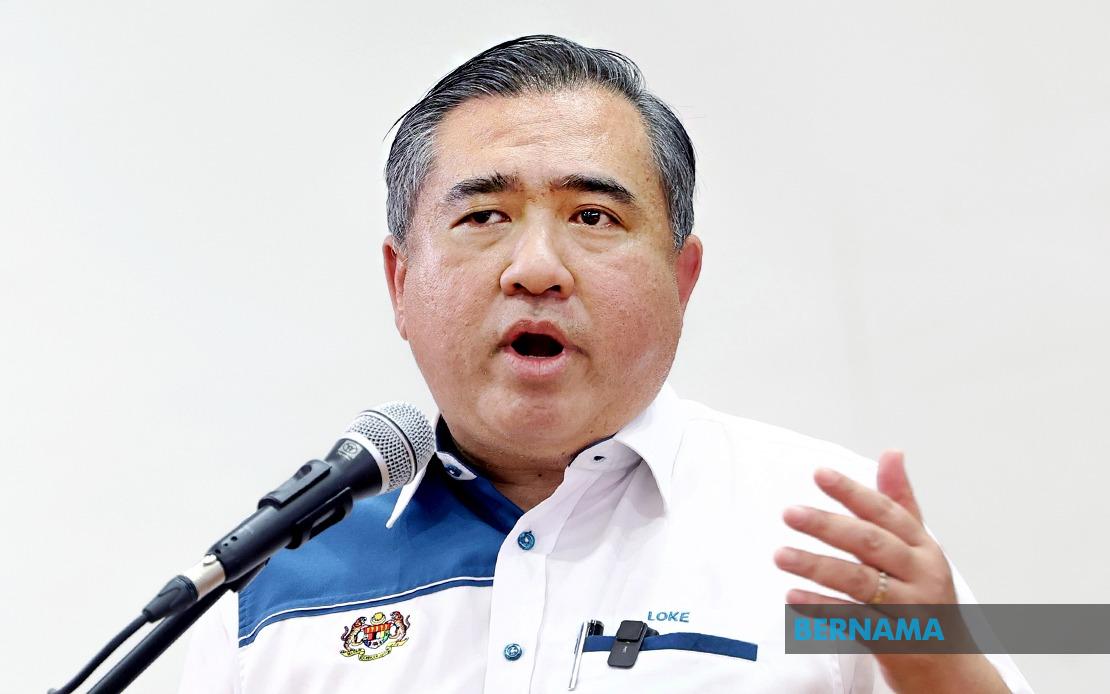
The Malaysian government has moved to crack down on safety violations during the Johor state election campaign, with Transport Minister Anthony Loke directing the Road Transport Department to summon riders found without helmets. Speaking in Putrajaya on July 10, Loke announced that the enforcement action would target individuals across all political parties, emphasising that road safety regulations supersede campaign considerations. The directive follows viral footage showing opposition campaign workers, including members from the Democratic Action Party, breaching mandatory helmet-wearing requirements while campaigning on motorcycles.
Loke's stance reflects a consistent position he has maintained throughout his tenure as Transport Minister. He drew parallels to his criticism six years earlier of Barisan Nasional leaders during the Slim by-election campaign, when he similarly called for all riders to comply with safety protocols. The minister stressed that there exists no inherent conflict between motorcycle-based campaigning and adherence to traffic laws—campaigners can traverse constituencies by bike provided they observe fundamental safety requirements. This distinction matters because it allows political work to continue unhindered while maintaining public safety standards and setting appropriate behavioural examples for ordinary citizens.
The principle underpinning Loke's directive carries particular significance given his own position as DAP secretary-general. By explicitly stating that enforcement would apply to his own party's campaign workers and colleagues, the minister has attempted to insulate the policy from accusations of partisan selectivity. His declaration that he would not shield allies from legal consequences aims to establish credibility and demonstrate that road safety transcends political calculation. In a Malaysian political environment where accusations of double standards frequently surface, such pre-emptive transparency serves to reinforce the stated commitment to universal application of traffic regulations.
The enforcement action touches on a persistent challenge in Malaysian political culture—the tendency for campaign activities to sometimes override civic responsibilities. Election periods frequently generate heightened traffic violations as supporters and organisers prioritise momentum and visibility over compliance with existing regulations. The Johor state election campaign provided occasion for the transport authorities to reassert that political activity does not exempt anyone from legal obligations. By moving quickly to address the viral videos documenting helmet violations, the ministry signalled that it monitors campaign behaviour and maintains authority over traffic law enforcement regardless of electoral context.
From a public health perspective, the emphasis on helmet compliance reflects Malaysia's ongoing road safety agenda. The country has experienced persistently high motorcycle accident rates, with non-compliance to safety equipment requirements contributing significantly to mortality and serious injury outcomes. The Road Transport Department's summons programme therefore serves dual purposes—maintaining legal consistency while reinforcing broader road safety messaging. During high-visibility campaign periods when public attention concentrates on political figures and their associates, enforcement actions carry amplified educational value, potentially influencing wider public behaviour.
The timing of this announcement, occurring during an active election campaign, illustrates the delicate balance authorities must maintain between enabling political expression and enforcing public regulations. The Ministry of Transport's positioning allows it to protect campaign freedoms while establishing that such freedom operates within legal parameters. Notably, Loke did not propose restrictions on motorcyclists campaigning per se, only that riders comply with existing helmet mandates. This distinction preserves democratic space while preventing the election period from becoming a zone of regulatory exception.
For political parties and campaign organisers, the directive establishes clear operational boundaries. Campaign planning must now incorporate mandatory safety compliance for all mobile campaigning activities. The implications extend beyond legal exposure, encompassing reputational considerations—parties whose supporters accumulate traffic violations risk damaging their public image during critical electoral periods. This creates natural incentives for campaigns to enforce internal discipline around safety protocols, ultimately amplifying the deterrent effect of JPJ enforcement.
The transport ministry's approach also reflects Malaysia's broader commitment under the UN's Sustainable Development Goals framework, particularly targets addressing road safety improvements. Visible enforcement during high-profile periods demonstrates governmental dedication to reducing preventable injuries and deaths. The Johor election campaign became a platform for reinforcing these commitments, turning a specific enforcement action into a statement about national priorities regarding public safety and accountability.
Looking forward, this precedent may influence campaign behaviour across Malaysia's electoral landscape. Political parties will likely incorporate safety compliance into campaign training and operational procedures, knowing that viral documentation of violations triggers rapid enforcement responses. The precedent also establishes that Transport Ministry oversight extends to political activities, creating institutional mechanisms for flagging and addressing campaign-related violations. Should future elections generate similar documentation of helmet violations or other traffic infractions, parties will expect consistent application of these standards.

