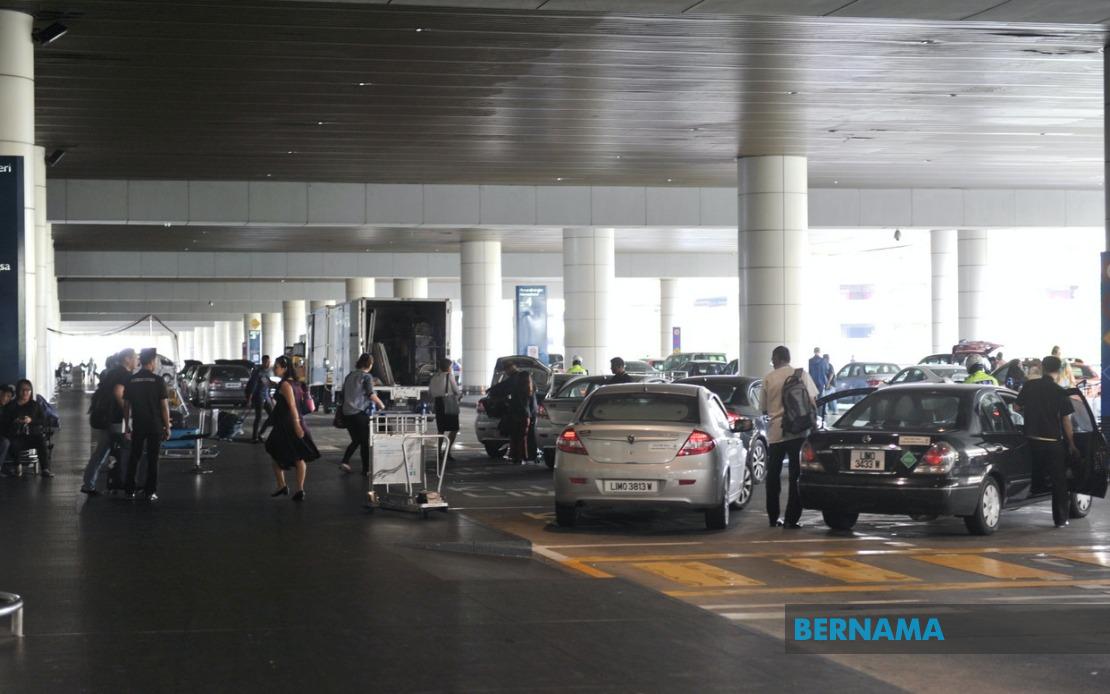
The Road Transport Department (JPJ) is escalating its crackdown on unlicensed taxi operators at Kuala Lumpur International Airport, launching a comprehensive enforcement initiative designed to eliminate the persistent problem of 'ulat'—the colloquial term for illegal transport touts who solicit passengers. Director-general Datuk Aedy Fadly Ramli announced the strengthened campaign at KLIA, which will begin implementation next week following explicit instructions from the Ministry of Transport to address the issue more comprehensively. The department recognises that this informal transport economy, while embedded in the airport ecosystem, undermines the nation's international reputation and disadvantages legitimate licensed operators.
Currently, JPJ's presence at the airport is severely constrained by limited staffing levels. The department maintains only 17 personnel stationed at KLIA Terminal 1, operating on a single shift pattern from 7 am until midnight, leaving a substantial overnight gap. More tellingly, KLIA2, which handles a significant volume of passenger traffic, has no dedicated JPJ personnel assigned to it whatsoever. This skeletal deployment explains why 'ulat' activities flourish across multiple time windows, including the early morning hours starting from 4 am when international flights begin arriving and tired passengers are most vulnerable to approaches from unofficial transport providers. The absence of round-the-clock coverage has effectively created a security and regulatory vacuum at one of Southeast Asia's busiest aviation hubs.
The revised operational model represents a substantial expansion of enforcement capacity. JPJ will introduce a three-shift staffing arrangement providing continuous 24-hour coverage across both Terminal 1 and Terminal 2. Beyond merely increasing headcount, the department will position senior-ranked officers at each terminal to lead enforcement teams and ensure that patrol operations maintain sufficient rigour and consistency. Datuk Ahmad Kamarunzaman Mehat, the Selangor JPJ deputy director, will oversee the recruitment and deployment of additional personnel to achieve this expanded footprint. This structural change acknowledges that sporadic enforcement creates inconsistent pressure on illegal operators, allowing them to adapt their tactics and resume activities during unmonitored periods.
The implications of this enforcement surge extend beyond simple compliance matters. International airports function as gateways through which visitor impressions of Malaysia are formed during vulnerable moments. When arriving passengers encounter aggressive solicitation from unvetted transport operators, the incident shapes their perception of national service standards and safety protocols. For business travellers and investors, such encounters suggest regulatory weakness. For leisure visitors, they create anxiety about transport reliability. By contrast, an orderly airport environment reinforced by visible official presence communicates professionalism and control. The JPJ's commitment to eliminate 'ulat' activities therefore serves broader nation-branding objectives beyond transportation regulation alone.
JPJ is pursuing a multi-stakeholder approach rather than enforcement action in isolation. The department has partnered with Malaysia Airports Holdings Bhd (MAHB) to expand public information campaigns throughout the terminals. Enhanced signage and digital displays will educate arriving passengers about the availability of legitimate licensed transportation services, emphasizing the distinction between authorised providers and informal touts. This educational dimension acknowledges that many visitors, particularly international travellers unfamiliar with Malaysian customs, lack baseline awareness regarding which transport options are regulated and trustworthy. Clear, repeated messaging at multiple airport touchpoints reduces the information asymmetry that illegal operators exploit.
The 'ulat' phenomenon warrants understanding as an intersection of informal economy pressures and regulatory opportunity. These individuals typically operate outside formal employment structures, often driven by economic necessity rather than criminal intent. However, their activities undermine the formal taxi and ride-hailing sectors that comply with licensing, insurance, and safety requirements. Licensed operators face fixed compliance costs that 'ulat' actors avoid, creating unfair competitive disadvantages. Moreover, passengers utilising unlicensed services forgo consumer protections, accident insurance, and recourse mechanisms available through regulated providers. From a policy perspective, eliminating 'ulat' activities protects both the regulated transport industry and passenger welfare simultaneously.
Aedy Fadly emphasised that JPJ will adopt an uncompromising stance toward any parties engaged in middleman activities facilitating illegal transport services. This declaration signals that enforcement will target not only individual touts but also any support ecosystem enabling their operations. Such comprehensive enforcement prevents the problem from simply shifting rather than being genuinely resolved. Historically, regulatory crackdowns that focus narrowly on street-level actors while overlooking organisational enablers prove ineffective, as the underlying coordination structures persist and recruit replacement personnel. A more sophisticated enforcement architecture that pursues multiple points in the illegal supply chain demonstrates greater strategic depth.
The timing of this initiative reflects broader transport ministry priorities regarding airport operations and service quality. KLIA, as Malaysia's primary international aviation gateway and a critical economic infrastructure asset, receives ministerial-level attention. Illegal transport activities at the airport represent a high-visibility problem capable of generating negative media coverage and passenger complaints that reach decision-makers in tourism and investment sectors. By providing explicit direction to JPJ, the Ministry of Transport has signalled that airport taxi management ranks among its current operational priorities. This elevated attention should translate into sustained resource allocation and political support necessary for enforcement persistence.
The enforcement strategy's success will ultimately depend on whether initial intensification translates into sustained presence rather than temporary surge activity. Previous regulatory campaigns at Malaysian airports have sometimes followed a boom-and-bust cycle, with aggressive enforcement periods followed by resource reallocation, allowing informal operators to re-establish activities. Establishing permanent duty posts with designated senior officers suggests intent to maintain continuous pressure. However, institutional commitment will require ongoing budget allocation and personnel retention. Given the relatively low status and unglamorous nature of airport enforcement work compared to other JPJ functions, recruitment and retention challenges could emerge if personnel turnover becomes excessive.
For Malaysian readers and regional observers, this enforcement escalation reflects broader governance challenges spanning multiple sectors and jurisdictions. Informal economy activities thrive at boundary points—airports, border crossings, transport hubs—where regulatory authority becomes diffused across multiple agencies and oversight mechanisms prove difficult to coordinate. The JPJ initiative demonstrates that addressing such problems requires deliberate inter-agency collaboration, enhanced resource deployment, and senior leadership commitment. Whether this model successfully eliminates 'ulat' activities at KLIA may offer lessons applicable to informal economy management elsewhere in Malaysia's transportation and hospitality sectors.

