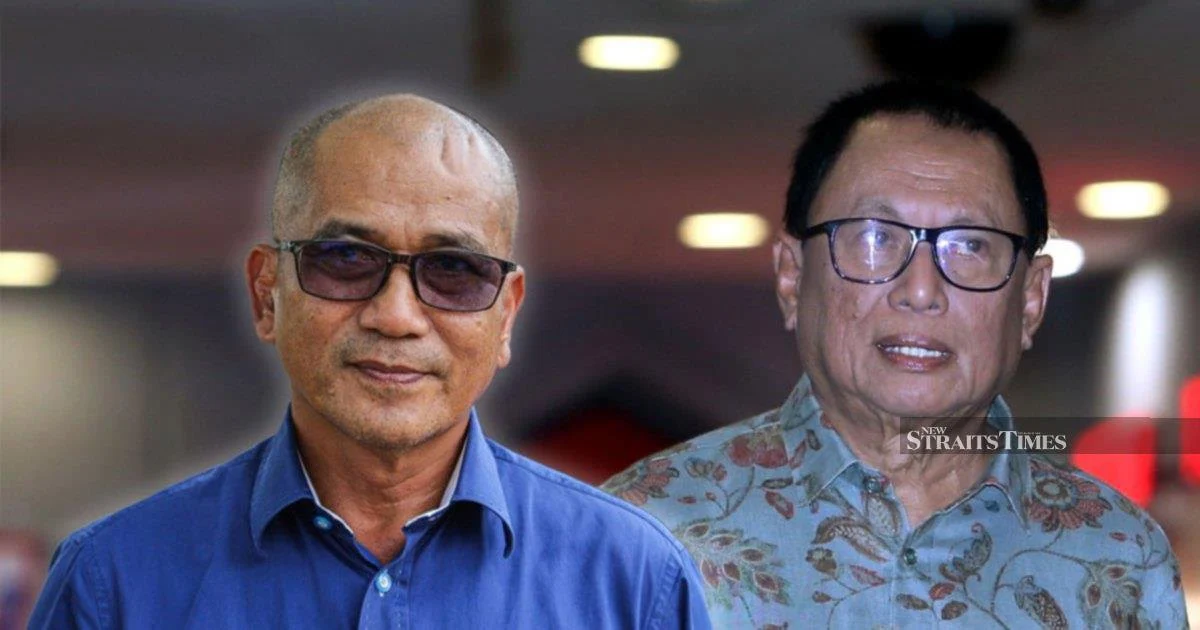
Johor's ruling Umno party has launched a forceful rebuttal against former state legislative assembly speaker Datuk Dr Mohd Puad Zarkashi, dismissing his recent allegations surrounding the dissolution of the Johor state assembly on June 1 as malicious falsehoods. Party officials in the state capital have made clear their position that such accusations amount to grave slander and warrant no credence among the public or political observers.
The dissolution of the state assembly represents a significant constitutional moment for Johor, as it sets in motion the machinery for fresh elections and a renewed mandate. The June 1 date marks a critical juncture in the state's political cycle, and the circumstances surrounding this decision have clearly become contentious within ruling coalition circles. Umno's rapid and forceful response indicates the party views Zarkashi's intervention as a serious challenge to its governance narrative and internal cohesion.
Datuk Dr Mohd Puad Zarkashi, who previously held the influential post of speaker in the state assembly, brings considerable institutional weight to his claims. A speaker's vantage point affords intimate knowledge of parliamentary procedures, political manoeuvres, and the machinations within the assembly chamber. His decision to voice public criticism suggests either a significant breach in party discipline or a principled stance he felt compelled to articulate. Either way, his former office lends particular gravity to his intervention.
The timing of Zarkashi's allegations and Umno's rebuttal carries implications for opposition forces seeking to exploit fractures within the government coalition. In Malaysian state politics, perceptions of internal discord can undermine a ruling party's authority and embolden challengers. By responding swiftly and decisively, Johor Umno aims to foreclose any narrative suggesting the party lacks unity or transparency around its decision-making processes. The stakes extend beyond routine political squabbling to encompass the party's standing ahead of anticipated state elections.
Umno's characterisation of the allegations as slander is itself a significant rhetorical move. In Malaysian political discourse, invoking defamation carries legal undertones and signals that the party considers Zarkashi's claims not merely wrong but maliciously false. This language choice suggests Umno may be prepared to pursue formal remedies rather than engage in the typical back-and-forth of political debate. The severity of the terminology employed reflects how seriously the party establishment regards the threat posed by the former speaker's public statements.
The political landscape in Johor has experienced notable volatility in recent years. The state has witnessed shifts in coalition configurations, leadership changes, and constitutional moments that have kept observers attentive to developments at the state level. For a party like Umno, maintaining tight control over the Johor machinery is essential to its broader political strategy within Malaysia. Any crack in the facade of party unity, particularly emanating from a respected figure like a former speaker, requires swift and robust containment.
Within Southeast Asia's broader context, Malaysian state politics often serve as laboratories for coalition-building and factional management. How Umno navigates internal dissent while preparing for fresh elections will likely draw scrutiny from regional political analysts. The manner in which the party addresses Zarkashi's claims—whether through organisational discipline, public rebuttal, or legal channels—signals something about the health and cohesion of Malaysia's largest political organisation.
Zarkashi's background as speaker means he is no marginal voice or disaffected backbencher. A person who has presided over legislative proceedings commands respect within party circles and possesses credibility with the media and public. This amplifies both the challenge his allegations present to Umno and the urgency with which party leaders felt compelled to respond. The former speaker's institutional pedigree means his words cannot be easily dismissed as those of a political outsider or chronic complainant.
The specificity of allegations concerning the June 1 dissolution suggests Zarkashi's claims are not vague insinuations but pointed accusations about concrete decisions and processes. Umno's blanket rejection, while understandable from a damage-control perspective, leaves open the question of precisely which elements of Zarkashi's account the party disputes. Public confusion about the exact substance of the disagreement may create space for continued speculation and narrative fragmentation.
As Johor moves toward fresh elections, the credibility and legitimacy of the dissolution decision will shape how voters assess the ruling coalition's fitness to govern. Any lingering public uncertainty about the propriety or justification for dissolving the assembly could translate into electoral vulnerability. Umno's investment in robustly countering Zarkashi's allegations reflects an understanding that controlling the narrative around governmental decisions is essential to electoral success.
The coming weeks will reveal whether the party's rebuttal strategy suffices to contain the controversy or whether additional details emerge that further complicate the picture. Regardless of the immediate outcome, this episode underscores the ongoing tensions between institutional loyalty and individual conscience within Malaysia's political structures, particularly as parties prepare for electoral contests that will determine their mandates and legitimacy.
For observers across Southeast Asia, the Johor situation serves as a reminder that even within seemingly monolithic political structures, individual actors occasionally break ranks to voice dissent. How ruling parties respond to such challenges, and whether they can reconcile internal differences while projecting unity to the electorate, often determines their electoral fortunes and long-term viability.

