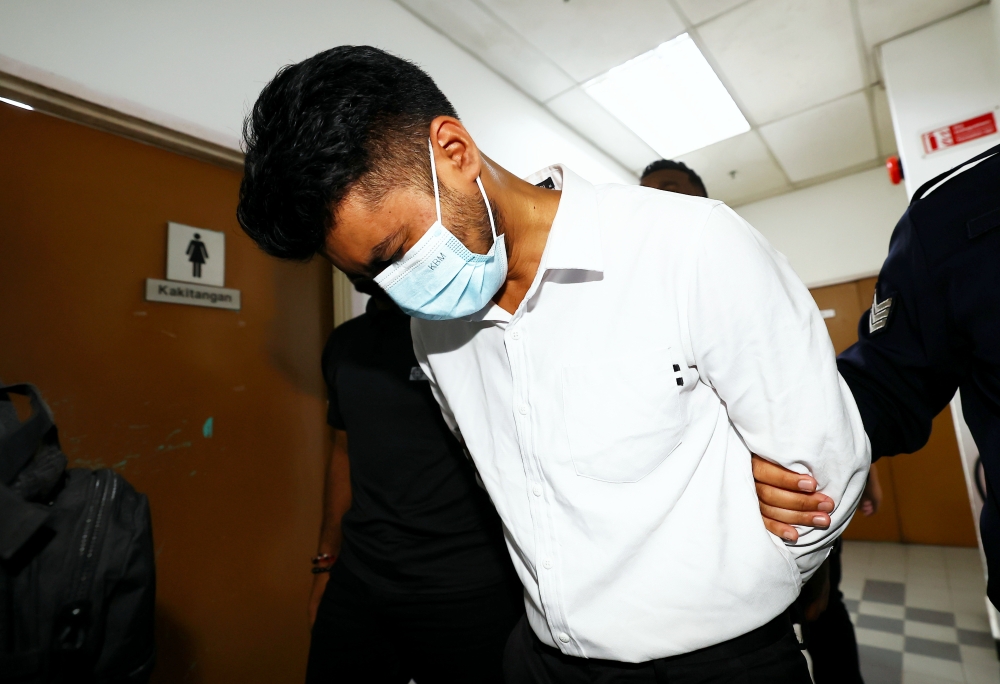
A 40-year-old customer service officer from Johor Bahru appeared before the Magistrate's Court today to face a murder charge stemming from the death of an 18-month-old child. The charge represents a major turn in the case, which underwent reclassification three years after the initial incident that claimed the young victim's life. The defendant's appearance marks the culmination of an extended investigation that raised questions about how authorities initially categorised the death before reconsidering their findings.
The reclassification of the case from its original status to a murder charge underscores the complexities that can arise during child death investigations. Such investigations often require careful examination of medical evidence, witness statements, and circumstantial factors that may not become apparent immediately after an incident occurs. In Malaysia, cases involving child deaths receive particular scrutiny from authorities and welfare organisations, given the vulnerability of young victims and the need to protect children from harm. The delay in upgrading the charge suggests that investigators uncovered additional evidence or reached new conclusions about the circumstances surrounding the child's death.
Child mortality cases in Malaysia have historically prompted public debate about child protection mechanisms and parental accountability. The country's social welfare system, overseen by the Department of Social Welfare, works in conjunction with law enforcement to investigate suspicious deaths and ensure that children at risk receive appropriate intervention. Cases such as this one often trigger discussions about whether warning signs were missed and what measures could strengthen prevention frameworks. The attention generated by high-profile cases has led to increased awareness among medical professionals, teachers, and community members about recognising indicators of child abuse or neglect.
The Johor judiciary has handled numerous cases involving child welfare and parental conduct over recent years. Johor Bahru, as the state capital and one of Malaysia's major urban centres, sees regular court proceedings covering family law, criminal conduct, and child protection matters. The Magistrate's Court serves as the entry point for many such cases, where charges are formally presented and bail considerations determined. The court system's role in processing these sensitive matters reflects Malaysia's legal framework for addressing crimes against vulnerable populations, which carries serious penalties under the Penal Code.
Murder charges in Malaysian courts carry significant consequences, with sentences ranging up to capital punishment in the most serious circumstances. The charge lodged against the defendant suggests that prosecutors believe evidence demonstrates intentional causing of death rather than accidents or natural causes. Malaysian criminal law distinguishes carefully between murder, culpable homicide, and accidents, with the specific classification depending on the defendant's mental state and the nature of their actions. This distinction becomes particularly important in cases involving very young children, where determining causation and intent requires careful examination of medical and circumstantial evidence.
The three-year gap between the initial incident and the murder charge raises important questions about investigative timelines and the factors that prompt case reclassifications. Extended investigations into child deaths are not uncommon when initial findings prove incomplete or when autopsy results, witness interviews conducted later, or expert consultations reveal different conclusions. Authorities may initially classify deaths as accidents or from natural causes before subsequent analysis suggests foul play. This pattern has appeared in several Malaysian cases, highlighting the importance of thorough initial investigations and the willingness to revisit conclusions when new information emerges.
Family violence and child abuse remain concerning issues across Malaysia, with government agencies and non-governmental organisations working to increase reporting and intervention. The Department of Social Welfare maintains databases of at-risk children and conducts home visits when concerns are raised by schools, medical professionals, or community members. However, cases where children die despite these systems being in place underscore the challenges authorities face in preventing harm, particularly in closed family settings where abuse may not be visible to outsiders. Public cases such as this one often prompt reviews of existing protocols and discussions about strengthening protective mechanisms.
The defendant's occupation as a customer service officer provides a professional context for understanding the case, though employment status does not determine culpability in criminal matters. Age and professional background often become relevant factors during sentencing if conviction is secured, as courts consider mitigating and aggravating circumstances when determining appropriate penalties. The defendant's presumption of innocence remains legally operative until evidence is tested in court and guilt established according to the criminal standard of proof required in Malaysian law.
This case reflects broader regional concerns about child protection and criminal accountability for deaths within family settings. Across Southeast Asia, courts and child welfare agencies grapple with similar challenges in investigating suspicious child deaths, gathering evidence, and bringing perpetrators to justice. Delayed prosecutions, investigative complexity, and the need for expert evidence in determining cause of death create obstacles that legal systems throughout the region seek to address through enhanced training, better inter-agency coordination, and investment in forensic capabilities. Malaysia's approach, demonstrated through this prosecution, shows commitment to pursuing serious criminal charges even when investigations require extended periods and subsequent reclassification of initial findings.

