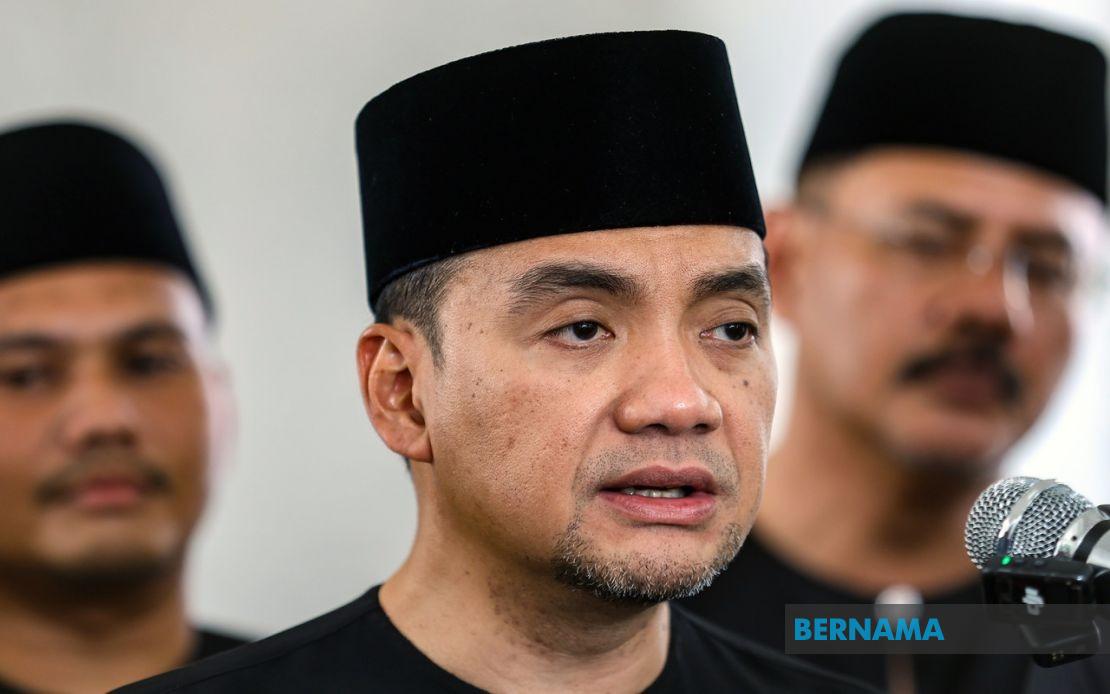
The Johor government has rolled out a fresh initiative aimed at revitalising congregational prayer practices and deepening Islamic engagement across the state. The Semarak Maghrib and Isyak programme, announced by Menteri Besar Datuk Onn Hafiz Ghazi, represents a strategic expansion of the state's ongoing efforts to position mosques as vibrant centres of worship, learning, and communal bonding rather than merely places of prayer.
The initiative builds on earlier success in promoting congregational Subuh (dawn) prayers throughout Johor. By extending this effort to evening prayers—specifically Maghrib and Isyak—the state government aims to create a more comprehensive framework for regular mosque attendance and religious participation. This phased approach demonstrates a deliberate strategy to strengthen the institutional role of mosques in contemporary Malaysian Muslim life, particularly as urbanisation and changing lifestyles have sometimes challenged traditional patterns of congregational worship.
Onn Hafiz framed the programme as a fulfilment of commitments made during the 16th Johor state election, emphasising that the initiative represents the government's mandate from voters to prioritise Islamic affairs and community welfare. The connection between electoral promises and implementation highlights how state administrations in Malaysia increasingly use religious programming as a core component of governance, reflecting the significant weight Islamic issues carry in electoral politics across the country.
The first formal launch took place at Masjid Jamek As-Syakirin in Bukit Saujana, where the event incorporated not just congregational prayer but also religious education components. Johor Bahru district kadi Mohd Zaini Mohd Salleh delivered a lecture on the 40 Hadith, specifically exploring the concept of "Niat Penentu Perbuatan Hamba" (intention determines action), a fundamental principle in Islamic jurisprudence. This combination of prayer and structured learning reflects a holistic vision where mosques function as multipurpose institutions serving spiritual, intellectual, and social needs.
The inclusion of Quranic recitation, particularly Surah Al-Mulk, at these gatherings serves multiple functions. Beyond its immediate spiritual significance, such practices reinforce congregational cohesion and create opportunities for younger generations to engage with Islamic traditions in communal settings. For many Malaysian Muslims, especially in urban centres like Johor Bahru, these structured mosque activities provide important touchpoints with religious and cultural identity.
Onn Hafiz's public call for community support indicates recognition that government initiatives alone cannot succeed without grassroots participation. By explicitly inviting Muslims to attend and enliven the mosques, the Menteri Besar acknowledges that the programme's success depends on voluntary engagement rather than top-down implementation. This approach reflects pragmatic understanding of how religious practice functions—it cannot be mandated but must be fostered through appealing to believers' intrinsic motivations and sense of community responsibility.
The programme sits within a broader state agenda framed around "syiar Islam"—the propagation and practice of Islamic values. This concept, repeated throughout official statements, indicates the government views Islamic strengthening not merely as a religious matter but as integral to national and state identity. For Johor, positioning itself as a centre of Islamic learning and practice carries both spiritual and political significance, particularly given the state's historical importance in Malaysian Islam and its diverse, multicultural character.
The timing and expansion of such initiatives reflect broader conversations occurring across Malaysia about the role of religious institutions in contemporary society. As traditional patterns of mosque attendance have evolved, state governments have increasingly invested in programming designed to make mosques relevant and attractive to modern congregations. Johor's approach—combining prayer, education, and community gathering—represents one model for achieving this balance.
For Malaysian stakeholders observing state-level Islamic governance, the Semarak Maghrib and Isyak programme offers insights into how religious policy translates from electoral commitments into practical implementation. The programme demonstrates administrative capacity to organise structured activities while respecting religious autonomy and respecting the role of religious scholars and officials like the district kadi in delivering educational content. This collaborative approach between state administration and religious institutions characterises much of Malaysia's religious governance framework.
The emphasis on strengthening "ukhuwah" (brotherhood) among Muslims through congregational activities highlights a dimension beyond individual piety. Mosque attendance and group worship are positioned as mechanisms for building social cohesion, mutual support networks, and collective identity. In diverse societies like Johor, such community-building functions carry additional weight as they create spaces for Muslims to experience shared identity and purpose.
From a Southeast Asian perspective, Johor's initiative illustrates how Malaysian state governments actively shape Islamic practice through targeted programming. Unlike jurisdictions where religious affairs operate in greater separation from state machinery, Malaysia's constitutional framework grants states significant authority over Islamic administration. Johor's implementation of Semarak Maghrib and Isyak demonstrates how this constitutional arrangement translates into concrete religious policy at the state level.
The programme's inclusion of specific religious content—the 40 Hadith lectures and Quranic recitations—positions it as education-oriented rather than merely ceremonial. This reflects contemporary understanding among Muslim-majority societies that sustainable religious engagement requires intellectual engagement alongside ritual practice. By featuring established religious scholars delivering structured content, the programme builds credibility and depth beyond simple attendance drives.
Looking forward, the success of Semarak Maghrib and Isyak will likely depend on consistent implementation, community buy-in, and integration with existing mosque structures and leadership. The initial launch at a well-established mosque in an urban setting suggests the programme targets relatively accessible areas; questions may arise about implementation across smaller towns and rural areas. Nevertheless, the Johor government's commitment to expanding evening prayer culture represents a meaningful investment in revitalising congregational religious practice as a central element of state Islamic governance.

