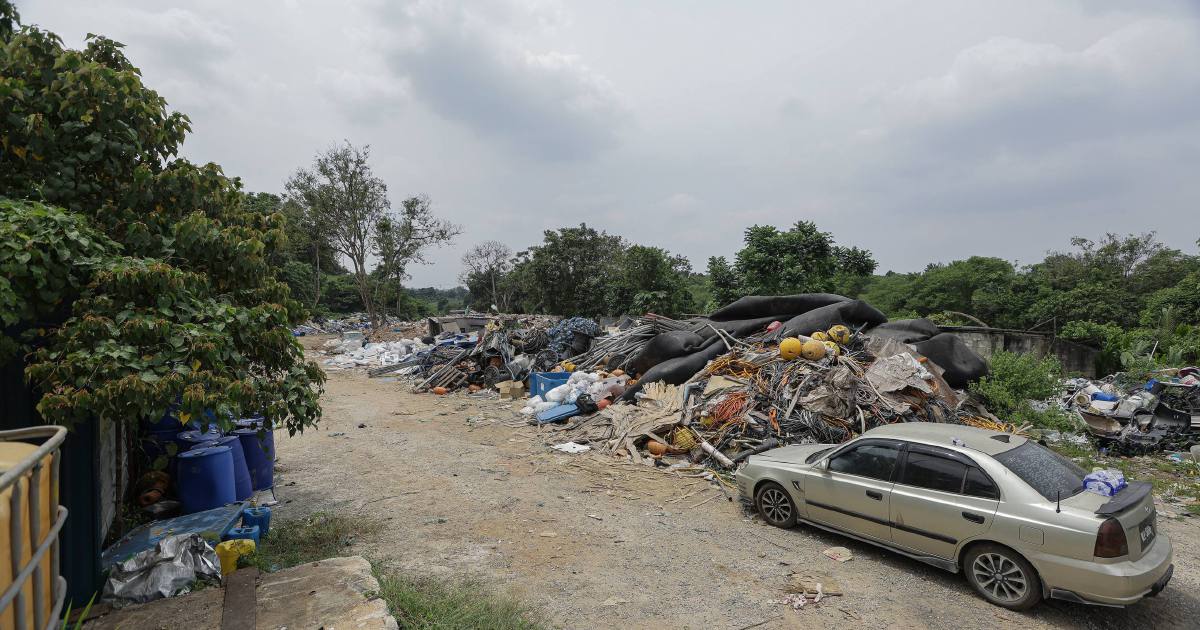
Johor has announced plans to establish a dedicated multi-agency task force aimed at thoroughly investigating allegations that construction waste originating from Singapore has been deposited at various locations throughout Pontian district. The formation of this coordinated investigative unit represents a significant regulatory response to growing concerns about cross-border waste management practices affecting the southern state.
The involvement of multiple government agencies signals Johor's commitment to conducting a rigorous and comprehensive inquiry into the matter. Such multi-departmental approaches typically bring together environmental regulators, customs officials, local government authorities, and enforcement personnel to coordinate evidence collection, site inspections, and legal assessments. This collaborative framework allows investigators to examine the waste dumping allegations from environmental, administrative, and potentially criminal angles simultaneously.
Pontian, located in southwestern Johor and bordering Singapore directly, has become a focal point for transnational environmental concerns. The district's proximity to Singapore, combined with existing infrastructure and transport corridors, may have inadvertently created conditions that attract illegal dumping activities. The concentration of alleged incidents in this specific area underscores how geographical positioning influences cross-border environmental challenges affecting Malaysian communities.
Construction waste generated during Singapore's extensive building and redevelopment projects represents a significant waste stream that requires careful management. The allegations suggest that rather than processing this material domestically or responsibly, some parties may have sought to dispose of waste across national boundaries at lower cost. For Malaysia, which has increasingly strict regulations governing industrial and construction waste, such practices represent not only environmental violations but also potential sovereign jurisdictional concerns.
The establishment of this task force comes amid heightened awareness throughout Southeast Asia regarding transboundary waste flows. Malaysia, as a regional economy with strict environmental standards, faces persistent pressure from neighbouring jurisdictions where disposal costs may be lower or regulations less stringent. The situation in Pontian mirrors broader patterns observed in other border regions where waste management economics can incentivize illegal dumping across international boundaries.
Investigators will need to identify specific dumping sites, characterise the waste composition, determine transportation routes and responsible parties, and establish liability under relevant Malaysian environmental and waste management legislation. This multifaceted investigation requires forensic examination of waste materials to confirm their origin and assess potential contamination risks to local soil, groundwater, and agricultural land. The technical complexity of establishing definitive cross-border waste origins often proves challenging, necessitating cooperation with Singapore authorities and documentation of export manifests.
From an environmental perspective, construction waste disposal in unauthorised locations poses significant risks to Pontian's ecological health and local community welfare. Uncontrolled dumping can contaminate groundwater aquifers, degrade soil quality, harm vegetation, and disrupt existing land uses. For residents and agricultural producers in affected areas, unregulated waste deposits represent both environmental liability and potential economic loss through land devaluation and reduced productivity.
The legal framework governing this investigation encompasses multiple statutes, including Malaysia's Environmental Quality Act 1974, Waste and Secondary Raw Materials (Management and Processing) (Licensing) Order 2007, and Local Government Act 1976. These legislative instruments provide authorities with enforcement powers ranging from mandatory site remediation to criminal prosecution of responsible parties. Johor's willingness to activate such mechanisms demonstrates resolve to protect state interests and enforce environmental compliance across its borders.
Singapore authorities may also become involved if investigations confirm that construction waste originated from Singapore projects. International environmental cooperation agreements and bilateral mechanisms could facilitate information sharing and joint enforcement actions. Such cross-border coordination, while operationally complex, increasingly represents standard practice among neighbouring nations committed to preventing jurisdiction-hopping by waste producers.
The investigation's scope must extend beyond immediate site cleanup to encompass preventive measures preventing future occurrences. This may include enhanced monitoring at borders, improved documentation requirements for waste transfers, increased penalties for illegal dumping, and potentially diplomatic engagement with Singapore regarding waste export controls. Successful resolution requires not merely addressing past violations but establishing systemic safeguards preventing recurrence.
For Malaysian stakeholders monitoring this case, the task force's findings will likely influence future transboundary waste management policies and regulatory frameworks. If the allegations prove substantiated, Johor may advocate for stricter national controls over waste imports and stronger enforcement mechanisms. Regional governments throughout Malaysia may similarly review their border waste management protocols, recognising that Pontian's experience illustrates vulnerabilities affecting multiple jurisdictions.
The investigation timeline and expected completion date remain unspecified, though comprehensive multi-site inquiries typically require several months for thorough completion. Regular public updates regarding investigation progress would assist affected communities in understanding findings and participating meaningfully in remediation discussions. Transparent communication of results also strengthens regulatory credibility and demonstrates government responsiveness to environmental violations affecting public health and natural resources.

