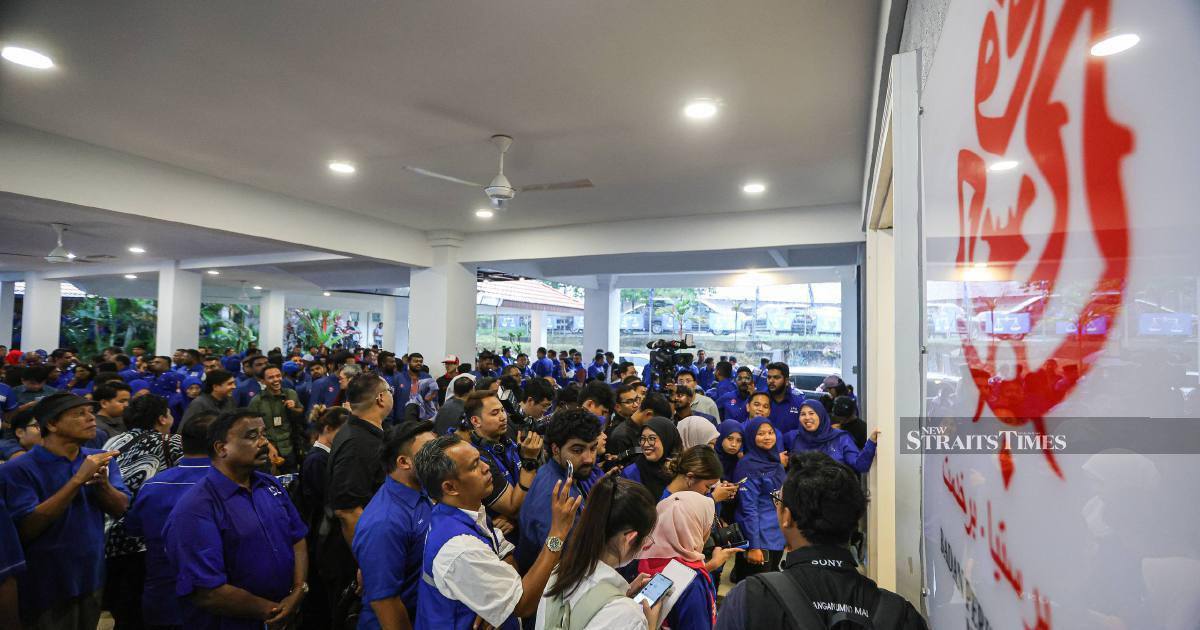
The Johor Umno headquarters in Johor Baru has become the epicentre of political activity as Barisan Nasional gathers its forces for one of the coalition's most significant moments in the election cycle. The announcement of candidates for the 16th Johor state election marks a critical juncture in the campaign season, transforming the party headquarters into a hive of activity as leaders, party members, and grassroots supporters fill the venue in anticipation of the formal unveiling.
The gathering reflects the considerable stakes involved in the Johor contest. As Malaysia's second-most populous state and a traditional Barisan stronghold, Johor carries outsized political significance within the national landscape. The state has historically served as a testing ground for electoral sentiment and a bellwether for broader political trends, making the composition of the candidate slate a matter of intense interest both within Umno's ranks and across the country's political establishment.
The energy evident at party headquarters illustrates the continued vitality of Barisan's ground operations in the state. Despite facing challenges from opposition coalitions in recent election cycles, the coalition retains substantial organizational capacity and member engagement in Johor. The turn-out of supporters for the candidate announcement demonstrates the appetite within the party base for the campaign ahead, suggesting that party machinery has maintained momentum during the pre-election period.
Candidate selection represents a delicate balancing act for Barisan leadership, requiring careful calibration across multiple dimensions. Party leaders must weigh considerations of experience, regional representation, demographic appeal, and factional politics within Umno itself. The candidates chosen will determine how effectively Barisan can contest seats across Johor's diverse constituencies, from urban centres where opposition parties have gained traction to rural areas where the coalition's traditional support remains strong.
For Johor Umno specifically, the candidate announcement carries implications for internal party dynamics. Selection decisions inevitably disappoint some hopefuls while rewarding others, and the composition of the slate signals which faction or leadership grouping within the state party has gained favour at the federal level. These internal contests often reflect broader struggles within Umno's national structure, making even the mechanical process of candidate selection laden with factional significance.
The timing of the announcement also carries strategic weight in Barisan's election planning. By formally unveiling candidates, the coalition moves from behind-the-scenes preparation into the public campaign phase, attempting to establish narrative momentum and focus media attention on its chosen representatives. This transition allows the party to begin building public profiles for candidates while simultaneously mobilizing supporters who have long awaited clarity on who will represent them in the election.
From a Southeast Asian perspective, Johor's election holds broader regional interest. As the state most economically integrated with Singapore and a crucial component of the Malaysia-Singapore cross-border relationship, Johor's political direction influences bilateral relations and regional economic dynamics. The choice of candidates and their policy positions on issues ranging from infrastructure development to environmental management can affect how Johor positions itself within regional trade and connectivity frameworks.
The opposition coalitions contesting the election have undoubtedly been monitoring Barisan's candidate selection process closely. The specific individuals chosen and their perceived vulnerabilities will shape opposition strategy in the coming weeks. Conversely, Barisan's slate will attempt to present a compelling vision of governance and development that resonates across Johor's socioeconomically diverse voter base, from Kuala Lumpur professionals with vacation homes in the state to long-established rural communities.
For Malaysian voters more broadly, the Johor election serves as a significant indicator of national political direction. While state elections occur within their own context and respond to local issues, they frequently prefigure or reflect broader national sentiment. Observers of Malaysian politics will scrutinize not only which candidates Barisan fielded but also how effectively the coalition can translate its organizational advantages into electoral success against increasingly sophisticated opposition campaigns.
The gathering at Johor Umno headquarters ultimately symbolizes the conventional mechanics of Malaysia's electoral democracy, where parties must translate internal organization into public campaigns. The candidates announced will carry forward Barisan's campaign message into constituencies across the state, competing for voter support through personal engagement, party machinery, and policy promises. The energy evident at party headquarters will need to translate into sustained campaigning effort if Barisan hopes to consolidate its position in Johor and send positive signals about the coalition's electoral viability heading toward any potential federal election.