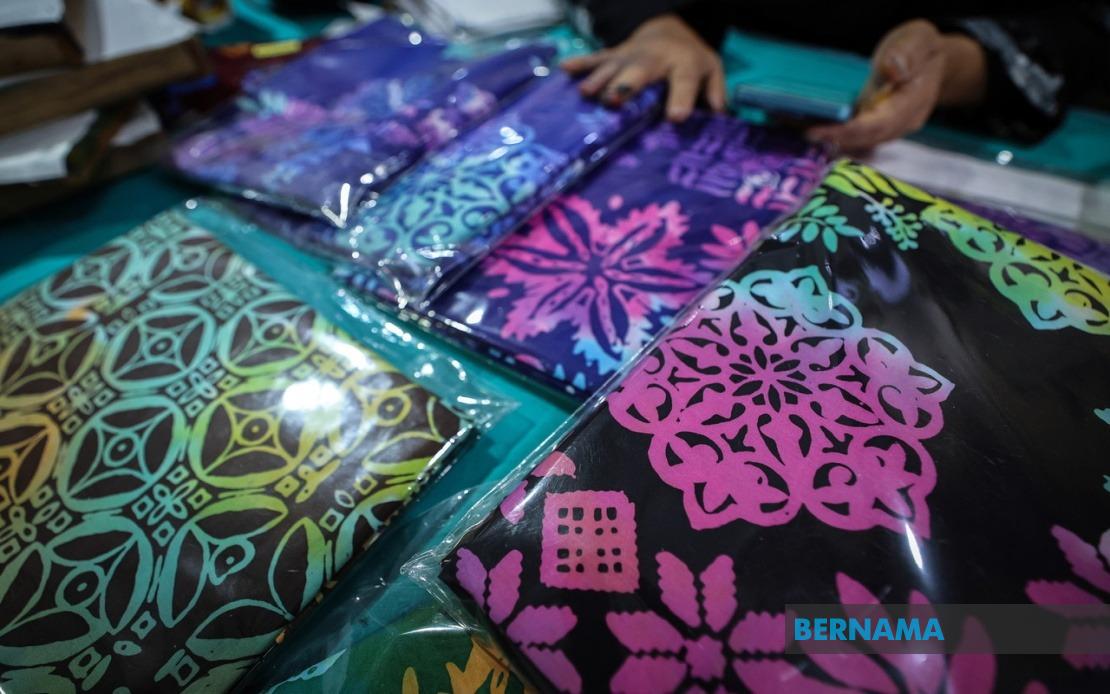
Batik production in Malaysia has long been synonymous with the East Coast states, but a growing movement in Johor is challenging that perception by establishing the southern state as a serious centre for the traditional textile craft. Artisans working across Johor are increasingly drawing on the region's unique natural landscape, agricultural heritage and cultural symbols to create batik designs that reflect local identity rather than replicating styles found elsewhere in the country. This development represents an important diversification of Malaysia's batik industry and offers economic opportunities for communities in Johor while simultaneously preserving traditional hand-crafting techniques.
At the forefront of this movement is Maimunah Yaacob, a 58-year-old pioneer who has dedicated more than three decades to developing and promoting batik as a viable craft industry in Johor. Her journey began in 1993 when she undertook foundational training in hand-drawn canting batik techniques in Terengganu, followed by two years of advanced instruction at a training facility on Jalan Conlay in Kuala Lumpur. Armed with this knowledge but limited capital—she began with just RM2,000 in startup funds—Maimunah returned to Johor and launched operations from her kitchen, determined to build a market for products that would stand apart from the established offerings already dominant in Malaysian batik circles.
The distinctiveness of Johor Batik emerges from its deliberate grounding in local geography and heritage. Rather than relying on generic floral or geometric patterns, Maimunah and other artisans have systematically developed a visual vocabulary rooted in elements specific to different Johor districts. The Muar and Pontian areas, historically significant agricultural centres, are represented through motifs inspired by the berembang tree and pineapple cultivation. Coastal communities in Kota Tinggi and Sedili have provided inspiration for designs incorporating mangrove forest ecosystems and coral reef formations—natural features that directly connect to these areas' maritime economies and environmental character. Beyond nature-based imagery, the designs also reference Johor's historical commercial significance through symbols associated with black pepper and gambir production, crops that shaped the state's trade patterns and prosperity across centuries.
The aesthetic strategy of connecting textile design to local place-based identity serves multiple purposes simultaneously. For consumers, it creates products with narrative depth and regional authenticity that mass-produced alternatives cannot replicate. For artisans like Maimunah, it provides a clear market differentiation strategy in an increasingly competitive landscape. And for Johor's broader cultural sector, it reinforces the state's distinct heritage within Malaysia's diverse cultural mosaic. The tiger-stripe patterns incorporated into some designs reference both natural wildlife and historical symbolism, adding layers of meaning that appeal to culturally conscious buyers seeking products with genuine significance rather than superficial decoration.
Maintaining commitment to traditional hand-crafting methods represents a critical dimension of Johor Batik's identity in an era of industrial manufacturing. Maimunah emphasises that authentic batik production continues to rely on time-tested techniques involving hot wax application with canting tools, processes that cannot be rushed or mechanised without fundamentally altering the product's character. This methodological authenticity carries tangible consequences for the finished textile. Hand-drawn batik exhibits colour penetration that works evenly through both the front and reverse sides of fabric—a physical characteristic that distinguishes genuine batik from printed alternatives that merely replicate batik's visual appearance on the surface. For discerning consumers, this distinction matters considerably, both aesthetically and as a marker of craftsmanship investment.
Despite these advantages, artisans face relentless competition from machine-printed textiles that mimic batik designs at a fraction of production cost and time. The economics of industrial printing create significant pressure on traditional producers, particularly when consumers prioritise price over authenticity. Maimunah's persistence in maintaining hand-crafting methods reflects not merely nostalgic attachment to tradition but a calculated business decision that quality differentiation can command premium pricing among consumers who value authenticity. This positioning strategy has proven viable, with Johor Batik products ranging from RM35 for headscarves to several hundred ringgit for elaborate silk attire sets, indicating a market segmented by quality perception and consumer preferences.
Market recognition and buyer interest have expanded beyond Johor's borders, providing validation for the quality and distinctiveness of locally-made batik. National platforms including the National Craft Day celebration held in Kuala Lumpur have provided crucial visibility for Johor's textile artisans among broader Malaysian audiences. The Johor Craft Festival similarly serves as a showcase event for region-specific products. Notably, the products have attracted significant interest from Singapore buyers, suggesting that Johor Batik's appeal extends into neighbouring markets where consumers seek distinctive, regionally-grounded textile products unavailable through standard retail channels.
Recognising demographic challenges, artisans have begun adapting product ranges and design approaches to appeal to younger consumers who might otherwise overlook traditional batik as aesthetically relevant to contemporary life. Maimunah's introduction of more contemporary and casual design offerings alongside heritage-focused pieces represents a strategic effort to bridge generational taste differences. Rather than positioning batik exclusively as formal or ceremonial wear, these newer designs attempt to integrate Johor Batik into everyday fashion contexts where younger Malaysians might naturally encounter and purchase textile products. This approach acknowledges that craft preservation cannot rely solely on heritage marketing but requires integration into living consumer culture.
The sustainability of Johor Batik as an established industry ultimately depends on systematic efforts to transmit knowledge and maintain practitioner populations across generations. Maimunah's expressed hope for expanded training programmes and formal educational initiatives reflects recognition that individual artisan success, while valuable, cannot alone preserve the craft at scale. Government support through subsidised training, apprenticeship programmes and institutional promotion would significantly enhance the likelihood that batik production becomes an enduring economic sector in Johor rather than a niche activity dependent on individual entrepreneurial effort. Such programmes would simultaneously address youth unemployment in rural and semi-rural areas while safeguarding Malaysia's cultural heritage through practical economic incentives.
The broader significance of Johor Batik extends beyond local textile production to encompass questions about regional cultural identity and economic diversification across Malaysia's southern region. As Southeast Asian nations increasingly recognise craft industries as vehicles for sustainable development, cultural preservation and tourism revenue, Johor's batik sector demonstrates how traditional techniques can be repositioned as contemporary economic assets. The deliberate connection between design and local place-based heritage creates products that tell stories about specific Malaysian communities, offering buyers material expressions of regional identity. This approach contrasts with globalised textile manufacturing that prioritises cost efficiency over cultural meaning, suggesting alternative pathways for economic development that centre local knowledge and environmental stewardship alongside commercial viability.

