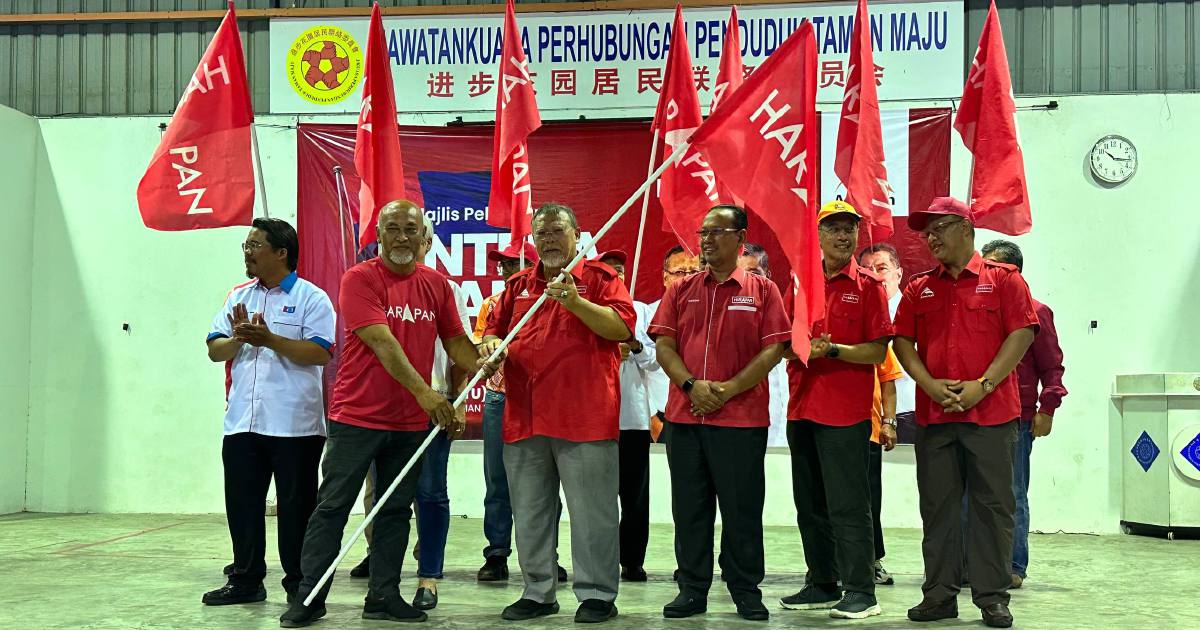
Johor Amanah has publicly declared its ambition to capture a minimum of six seats from the ten northern zone constituencies it is defending in Johor's upcoming state election scheduled for July 11. The statement reflects the party's growing confidence in its political prospects within the state as it heads into what is shaping up to be a closely contested electoral exercise across the peninsula's southern region.
The northern zone of Johor represents strategically important terrain for Amanah, a component party within the wider Opposition coalition that has been steadily building its organisational strength throughout the state over the past election cycle. By committing to a specific numerical target, party leaders are signalling that their on-ground campaign machinery has identified genuine opportunities to breach the incumbent government's traditional strongholds in constituencies where sentiment has shifted in recent years.
This confidence, if backed by solid polling data and volunteer mobilisation, suggests Amanah believes it can capitalise on dissatisfaction with governance issues that have resonated with voters in these northern territories. The party's electoral mathematics hinges on translating discontent into votes—a challenge that requires not only campaigning prowess but also effective coalition coordination with allied Opposition parties contesting in different constituencies across the state.
Johor has long been considered a bastion of the ruling coalition, making inroads here particularly significant for any Opposition bloc seeking to demonstrate momentum ahead of federal elections. The northern zone, encompassing several constituency boundaries with diverse demographic profiles ranging from urban centres to semi-rural areas, presents a mixed electorate that requires tailored messaging and granular campaign strategies rather than broad-brush appeals.
Amanah's projection of at least six seats from ten contested constituencies implies a sixty percent success rate—an ambitious but not unrealistic target if party machinery has thoroughly analysed voter sentiment, identified swing constituencies, and mobilised grassroots support effectively. The party's national leadership has increasingly focused on Johor as a priority state, recognising that electoral gains here would provide legitimacy and momentum for Opposition efforts nationwide.
The timing of this announcement, well ahead of the July 11 polling date, serves multiple purposes within the Opposition's broader communication strategy. It allows the party to set positive expectations with supporters while building momentum through committed messaging, though it also creates measurable benchmarks against which the party's performance will be judged by the electorate and media observers once results are declared.
Johor's political landscape has undergone noticeable shifts in recent years, with voters increasingly willing to consider alternatives to long-entrenched administrations. Amanah's performance in the northern zone will be closely watched as a bellwether for Opposition viability in what remains one of Malaysia's most politically significant states. Any substantial gains would boost the party's credibility and potentially influence political calculations in other key states.
The Opposition coalition's internal dynamics also matter considerably here. Amanah's seat targets and actual performance will reflect not only its own organisational strength but also how effectively it coordinates with other allied parties, ensuring that Opposition votes are not fragmented across multiple candidates in constituencies where the Opposition has a genuine chance of prevailing. This delicate balancing act of coalition management is often invisible to voters but frequently determines whether optimistic projections translate into actual election victories.
For Malaysian voters in the northern Johor zone, the election offers a chance to assess competing visions for state governance. The constituencies Amanah is contesting have diverse concerns—some prioritising economic development and job creation, others focused on education and healthcare provision, and still others animated by local development grievances. Amanah's campaign messaging will need to address these varied constituency-specific concerns rather than relying on generic political rhetoric.
The July 11 election will ultimately serve as a crucial data point in understanding Johor's political trajectory and broader Malaysian political trends. Should Amanah achieve or exceed its six-seat target, it would signal genuine erosion of traditional Opposition weaknesses in this historically challenging state. Conversely, if the party falls significantly short, it would suggest that despite national Opposition momentum, Johor remains resistant to significant political change at the state level.
Johor Amanah's leadership has placed its credibility squarely behind this projection, making the stakes considerable for party morale and fundraising efforts regardless of the eventual outcome. The party's ability to deliver on its stated objectives will influence its positioning within the Opposition coalition and its leverage in post-election coalition negotiations, should such discussions become necessary.
%22%2F%3E%3C%2Fpattern%3E%3C%2Fdefs%3E%3Crect%20width%3D%22100%25%22%20height%3D%22100%25%22%20fill%3D%22url(%23ph2eumeg)%22%2F%3E%3Crect%20width%3D%22100%25%22%20height%3D%22100%25%22%20fill%3D%22url(%23ph2eumep)%22%2F%3E%3Ctext%20x%3D%2250%25%22%20y%3D%2250%25%22%20text-anchor%3D%22middle%22%20dominant-baseline%3D%22central%22%20fill%3D%22rgba(255%2C255%2C255%2C0.95)%22%20font-family%3D%22Georgia%2C%20'Times%20New%20Roman'%2C%20serif%22%20font-weight%3D%22700%22%20font-size%3D%22170%22%20letter-spacing%3D%22-0.02em%22%3EMalaysia%3C%2Ftext%3E%3C%2Fsvg%3E)
%22%2F%3E%3C%2Fpattern%3E%3C%2Fdefs%3E%3Crect%20width%3D%22100%25%22%20height%3D%22100%25%22%20fill%3D%22url(%23ph2i5z1g)%22%2F%3E%3Crect%20width%3D%22100%25%22%20height%3D%22100%25%22%20fill%3D%22url(%23ph2i5z1p)%22%2F%3E%3Ctext%20x%3D%2250%25%22%20y%3D%2250%25%22%20text-anchor%3D%22middle%22%20dominant-baseline%3D%22central%22%20fill%3D%22rgba(255%2C255%2C255%2C0.95)%22%20font-family%3D%22Georgia%2C%20'Times%20New%20Roman'%2C%20serif%22%20font-weight%3D%22700%22%20font-size%3D%22272%22%20letter-spacing%3D%22-0.02em%22%3ETEKUN%3C%2Ftext%3E%3C%2Fsvg%3E)
%22%2F%3E%3C%2Fpattern%3E%3C%2Fdefs%3E%3Crect%20width%3D%22100%25%22%20height%3D%22100%25%22%20fill%3D%22url(%23ph1a04ig)%22%2F%3E%3Crect%20width%3D%22100%25%22%20height%3D%22100%25%22%20fill%3D%22url(%23ph1a04ip)%22%2F%3E%3Ctext%20x%3D%2250%25%22%20y%3D%2250%25%22%20text-anchor%3D%22middle%22%20dominant-baseline%3D%22central%22%20fill%3D%22rgba(255%2C255%2C255%2C0.95)%22%20font-family%3D%22Georgia%2C%20'Times%20New%20Roman'%2C%20serif%22%20font-weight%3D%22700%22%20font-size%3D%22151%22%20letter-spacing%3D%22-0.02em%22%3EBezzecchi%3C%2Ftext%3E%3C%2Fsvg%3E)