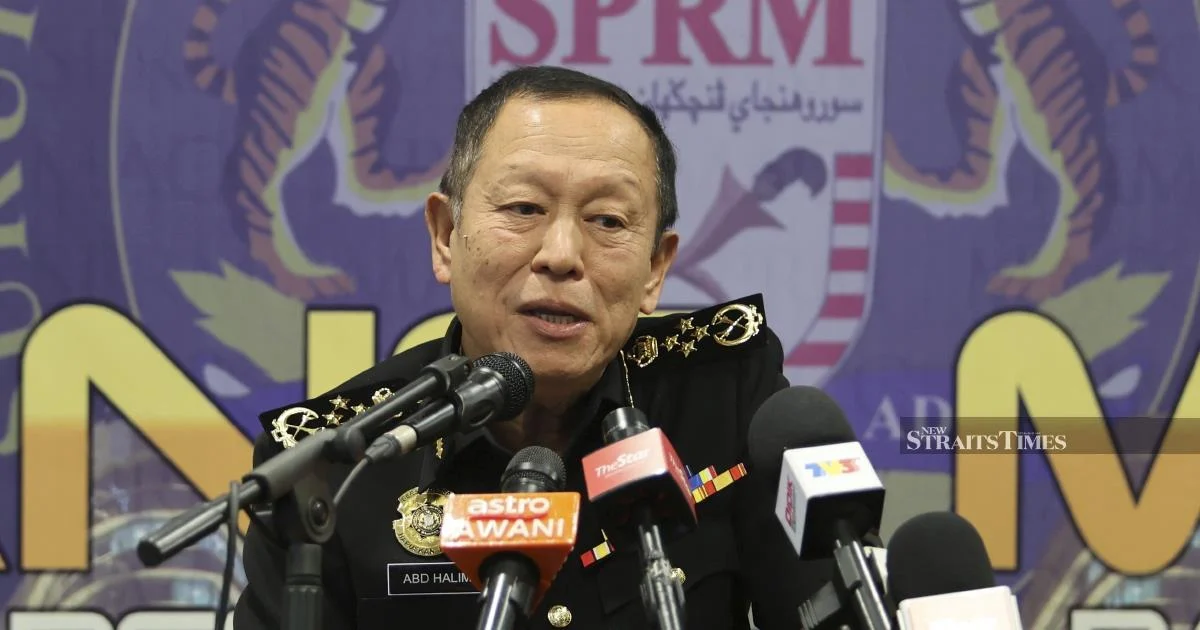
Putrajaya — The Malaysian Anti-Corruption Commission has moved to clarify the status of its ongoing investigation into fugitive businessman Low Taek Jho, confirming that the probe has maintained its operational status and has not been suspended or terminated at any point.
This clarification comes amid persistent questions about the trajectory of one of Malaysia's most high-profile corruption investigations. The MACC's statement serves as a reminder of the commission's continued commitment to pursuing the case, even as Low remains at large internationally and faces mounting legal scrutiny across multiple jurisdictions.
The emphasis on the investigation's continuity underscores the seriousness with which Malaysian authorities are treating the matter. For Malaysian citizens and observers tracking the unfolding saga, the confirmation carries significant weight in demonstrating that the relevant institutions have not abandoned their efforts to bring accountability for alleged misconduct.
Low's disappearance from Malaysia and subsequent fugitive status has created a complex investigative landscape. The MACC's determination to maintain an active file suggests that investigators are still pursuing leads, gathering evidence, and preparing for potential developments—whether those involve his extradition, asset recovery, or cooperation from international partners.
The businessman has become a central figure in discussions surrounding governance and transparency in Malaysia. His alleged involvement in various dealings has sparked debate about regulatory oversight, financial management, and the safeguards meant to prevent illicit activities. The MACC's sustained focus reflects the broader institutional response to these concerns.
Investigations of this magnitude typically involve complex financial transactions spanning multiple countries and institutions. The international dimension adds layers of complication, requiring coordination between Malaysian authorities and their counterparts abroad. The MACC's maintenance of an active investigation file signals ongoing engagement with these foreign partners and willingness to pursue cooperation mechanisms.
For Malaysia's regional standing, demonstrating persistent pursuit of high-profile corruption cases matters considerably. Neighbouring countries and international observers assess Malaysia's commitment to combating graft through actions such as these. The MACC's stance reflects broader efforts to restore confidence in Malaysia's anti-corruption frameworks following previous institutional challenges.
The business community and ordinary Malaysians have a vested interest in seeing such investigations pursued thoroughly. Corruption erodes public resources, distorts competitive markets, and undermines institutional legitimacy. The MACC's confirmation that it has not closed the book on Low's case provides reassurance that mechanisms exist to pursue accountability even when targets become inaccessible within Malaysian borders.
As time passes and circumstances evolve, the investigation's status may shift. Should Low's whereabouts be determined, should new evidence emerge, or should international cooperation yield breakthroughs, the MACC would be positioned to move swiftly. Maintaining the investigation's active status ensures that such opportunities are not lost to bureaucratic closure or inaction.
The statement also implicitly addresses scepticism that sometimes surrounds high-profile cases—the notion that prominent investigations might be quietly shelved or de-prioritised. By publicly reaffirming that the Low case remains open, the MACC signals both transparency and determination.
Southeast Asian observers note that Malaysia's handling of corruption matters carries implications for regional efforts to combat transnational financial crimes. International cooperation frameworks depend partly on demonstrated capacity and commitment. The MACC's continued pursuit of the Low investigation contributes to regional confidence in Malaysia's ability to address complex cross-border cases.
Looking forward, the investigation's trajectory will likely depend on various factors beyond MACC's direct control—international law enforcement cooperation, intelligence leads, and geopolitical circumstances. Yet the commission's firm stance indicates that Malaysian authorities intend to remain active players in the pursuit, rather than passive observers waiting for developments to unfold elsewhere.

