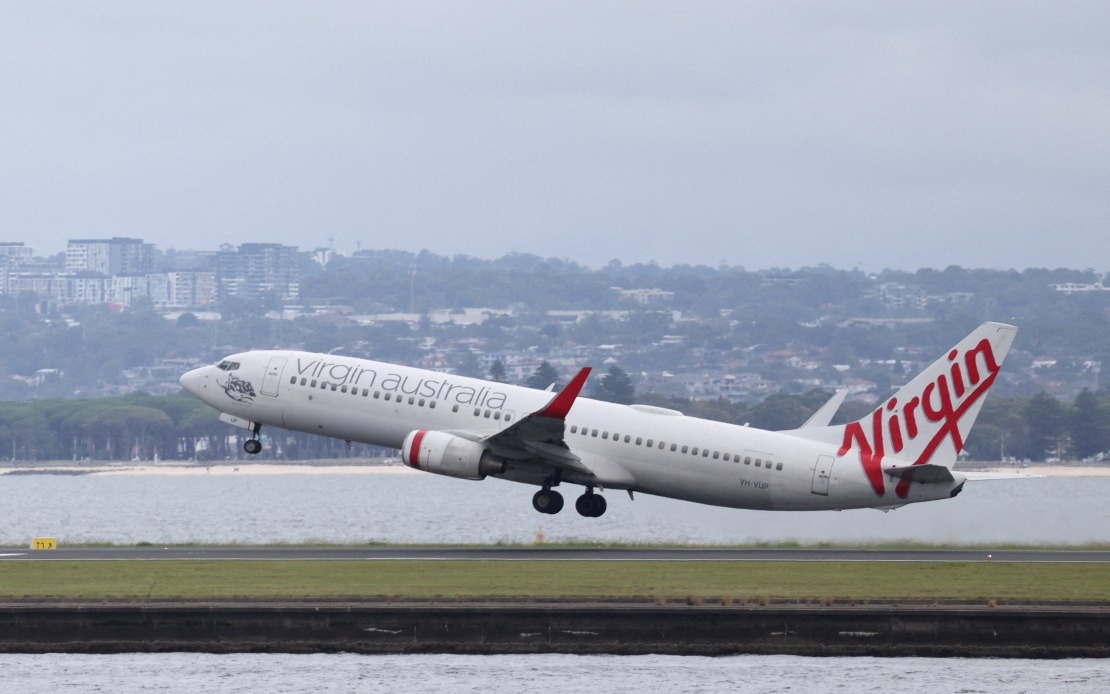
Air safety concerns intensified at one of Australia's busiest aviation hubs when a Jetstar Airways flight narrowly avoided collision with a Qatar Airways aircraft on a Sydney Airport runway during early morning operations on Sunday. The incident, which resulted in injury to a Jetstar cabin crew member, underscores mounting tensions around airport operational capacity and air traffic management at a time when Australian aviation services are already stretched thin.
The dangerous situation unfolded around 7 am local time when Jetstar flight JQ402, bound for the Gold Coast, was preparing for departure by taxiing along the runway. Pilots made an emergency decision to brake firmly when they spotted an unoccupied Qatar Airways Boeing 777 being towed directly into their flight path. The quick reflexes of the Jetstar flight crew prevented what could have been a catastrophic collision, though the abrupt manoeuvre caused injury to at least one member of the cabin staff, who received treatment from ambulance paramedics at the scene. The airline confirmed that passengers aboard the Jetstar flight escaped harm despite the alarming nature of the incident.
Jetstar Airways, which operates as a wholly-owned subsidiary of the larger Qantas Group, promptly initiated a formal investigation into the circumstances surrounding the near-miss. In a statement responding to the incident, a company representative acknowledged that the aircraft had been navigating the runway under explicit directions issued by Air Traffic Control. The spokesperson stressed that pilots acted decisively when an unexpected incursion by another aircraft forced them to apply emergency braking procedures, suggesting that the immediate cause lay not with Jetstar's operations but rather with the circumstances surrounding the towed Qatar Airways plane.
The near-collision at Sydney Airport occurs against a backdrop of serious capacity problems affecting Australia's aviation infrastructure. Just days before this incident, the nation's air traffic management system buckled under strain, with more than 250 flights departing from Sydney experiencing delays across Friday and Saturday. These widespread disruptions stemmed from staffing shortages within Airservices Australia, the government entity responsible for providing air traffic control services across the country's major airport terminals, including Sydney's substantial international and domestic operations.
The timing of this incident raises critical questions about whether current staffing levels at Australian air traffic control facilities are adequate to manage the volume and complexity of operations at major hubs. When air traffic control systems operate with insufficient personnel, controllers face increased workload and fatigue, potentially affecting decision-making quality and situational awareness. The near-miss suggests that operational pressures may be translating into real safety risks, with air traffic management decisions potentially contributing to dangerous runway incursions.
For Malaysian aviation stakeholders and regional carriers, the Sydney incident serves as a cautionary reminder of aviation safety vulnerabilities that can emerge when airport infrastructure becomes overwhelmed. Malaysia's own airports, particularly Kuala Lumpur International Airport, handle substantial international traffic and are subject to similar pressures. The incident illustrates how staffing constraints in air traffic control can cascade into safety hazards, a concern that regional aviation authorities must monitor closely as passenger traffic continues recovering post-pandemic.
The broader context of workforce shortages affecting Airservices Australia reflects systemic challenges in aviation employment across the region. Attracting and retaining qualified air traffic controllers requires substantial investment, competitive compensation, and adequate working conditions. When these elements are insufficient, critical gaps emerge that directly compromise safety. The Australian situation demonstrates how budgetary constraints or hiring difficulties in one nation's aviation system can create ripple effects felt by international carriers and passengers.
Qatar Airways and Jetstar will likely face intense scrutiny regarding communication protocols and coordination procedures during ground operations. While investigations will ultimately determine responsibility, the incident highlights the vulnerability of the handoff between air traffic control directives and ground handling operations. Towing procedures for large aircraft like the Boeing 777 demand meticulous coordination with active runway traffic, and any breakdown in this coordination can generate life-threatening situations within seconds.
The incident also resonates with Southeast Asian aviation communities as carriers across the region regularly transit through or operate from Sydney. Airlines including Malaysian carriers and their competitors operate complex networks involving Sydney Airport, making regional awareness of Australian aviation safety developments particularly relevant. Industry observers will closely monitor whether this near-miss triggers broader assessments of Sydney Airport's safety culture and operational procedures.
Looking forward, this incident will likely accelerate discussions within Australian aviation circles about adequate funding and staffing for Airservices Australia. The near-collision transforms abstract concerns about air traffic control capacity into concrete evidence of safety risks. For Malaysian and regional aviation authorities, the Sydney situation underscores the necessity of maintaining robust investment in air traffic management infrastructure and personnel, ensuring that operational capability matches passenger demand without compromising the safety margins that protect travellers and crew members.

