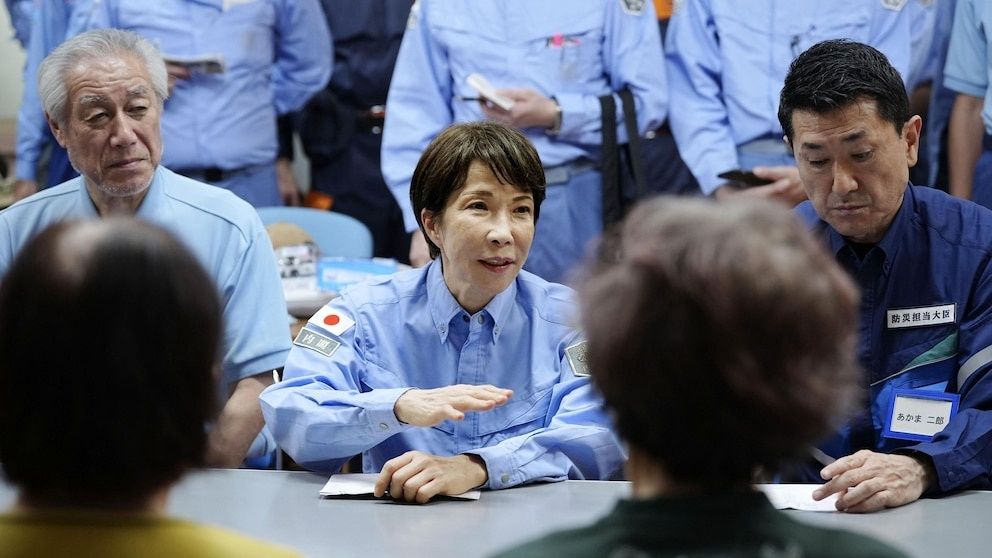
Prime Minister Sanae Takaichi made her first visit to Japan's Kumamoto Prefecture on Monday, touring areas devastated by a magnitude 7.1 earthquake that struck the southwestern region on Kyushu's main island on Tuesday, August 4. The visit came as residents began the grim process of clearing rubble and debris, with municipalities organising collection points for damaged furniture, broken appliances, and other refuse left in the quake's wake. The inspection, conducted partly by helicopter, underscored the growing urgency surrounding relief and reconstruction efforts as the prefecture battles multiple simultaneous crises.
The earthquake's initial death toll stands at 38, with circumstances surrounding each fatality highlighting the interconnected dangers facing survivors. One victim succumbed to heat stroke while sheltering in a vehicle during the scorching weather that followed the disaster, while authorities continue investigating the cause of death in another case. Across Kumamoto Prefecture, 114 people sustained injuries, whilst approximately 700 homes were completely destroyed and over 11,300 buildings sustained varying degrees of damage. These figures underscore the scale of physical destruction and displacement facing the region's population.
Temperature extremes have emerged as an unexpected but critical secondary threat to survivors, compounding the challenges of earthquake response. The Japan Meteorological Agency forecast temperatures approaching 40 degrees Celsius (104 Fahrenheit) in the region, creating dangerous conditions for people sleeping in vehicles, makeshift outdoor shelters, and crowded evacuation centres lacking adequate cooling systems. This weather pattern has transformed what would normally be a manageable post-disaster period into a potentially lethal situation, particularly for elderly evacuees and young children vulnerable to heat-related illness.
Infrastructure damage has crippled basic utilities across the affected area. More than 46,000 households remained without clean water supplies as of Monday, leaving residents unable to maintain sanitation or hydration during extreme heat. Fuel shortages have simultaneously worsened conditions, limiting access to generators and vehicles needed for emergency response and evacuation logistics. These cascading infrastructure failures create a vicious cycle where heat stress, dehydration, and sanitation failures concentrate in overcrowded emergency shelters, amplifying health risks beyond the immediate earthquake trauma.
Emergency accommodation has become critically inadequate. More than 8,500 people remain confined to crowded emergency shelters established in community centres, converted school gymnasiums, and classroom spaces—many without air-conditioning or proper ventilation. Additional evacuees have resorted to sleeping in vehicles at town hall parking lots and public parks, or attempted to shelter outdoors near their destroyed homes. Disaster response experts have long documented how such crowded conditions inevitably deteriorate hygiene standards, compromise personal privacy, and create psychological strain that extends recovery timelines. The towns of Uki and Hikawa have begun constructing temporary housing units, whilst some local hotels and inns have volunteered rooms to accommodate displaced residents, though these measures can only address a fraction of total need.
Governor Takashi Kimura used his Monday meeting with Prime Minister Takaichi to emphasise the "abnormal heat" creating unprecedented hardship for an already vulnerable population. He specifically requested expanded government support to address systematic failures in evacuation centre conditions, highlighting widespread shortages of clean water and accessible medical care. The governor's intervention reflects growing frustration among local authorities struggling to manage competing crises simultaneously—earthquake recovery, extreme weather response, and healthcare provision in settings never designed for extended occupancy.
Takaichi's response committed the national government to expedited examination of additional support measures, pledging to "move proactively" in addressing the governor's concerns. However, her visit itself became controversial on social media platforms, with critics arguing that her tour of one of the region's best-equipped shelters—which featured cardboard partition beds, demarcated sleeping areas, and functioning air-conditioning—presented a distorted image of actual conditions faced by most evacuees. This perception gap between official messaging and on-the-ground reality reflects broader tensions in disaster communication and accountability that extend across the region.
The disaster has revealed troubling corporate decisions with fatal consequences. Two employees of Habita, a local general store operator with a shop within the collapsed Aeon Mall in Kashima, died in a subsequent explosion inside the damaged building. Company executives acknowledged instructing the workers to return inside the unstable structure to secure cash proceeds in a safe, despite earthquake evacuation protocols requiring immediate departure from damaged buildings. The mall's operator attributed the explosion to a gas leak occurring after approximately 3,000 shoppers had been evacuated to the parking lot, though some employees remained inside at management's direction. Rescuers recovered five survivors and seven bodies from the mall's remains. At one victim's wake, 22-year-old Kurumi Otake's mother tearfully told company representatives: "I wish someone had stopped her. My daughter is not coming back," articulating the human cost of decisions prioritising financial protection over worker safety during active disaster situations.
The Kumamoto earthquake presents broader implications for Southeast Asian regional disaster preparedness and corporate accountability standards. The combination of infrastructure vulnerabilities, extreme weather challenges, and workplace safety failures exposes systemic weaknesses that developing nations throughout the region share. Malaysia and other ASEAN countries face similar risks of compound disasters where earthquakes intersect with tropical heat, inadequate shelter infrastructure, and inconsistent enforcement of worker protection standards. The incident involving Habita's employees raises uncomfortable questions about whether comparable corporate cultures in the region similarly prioritise asset protection over human life during emergency situations. Japan's response framework, despite its advanced technological capacity, reveals that even highly developed nations struggle with coordinating multi-crisis response, suggesting that less-resourced nations must proactively strengthen disaster protocols before similar events occur.

