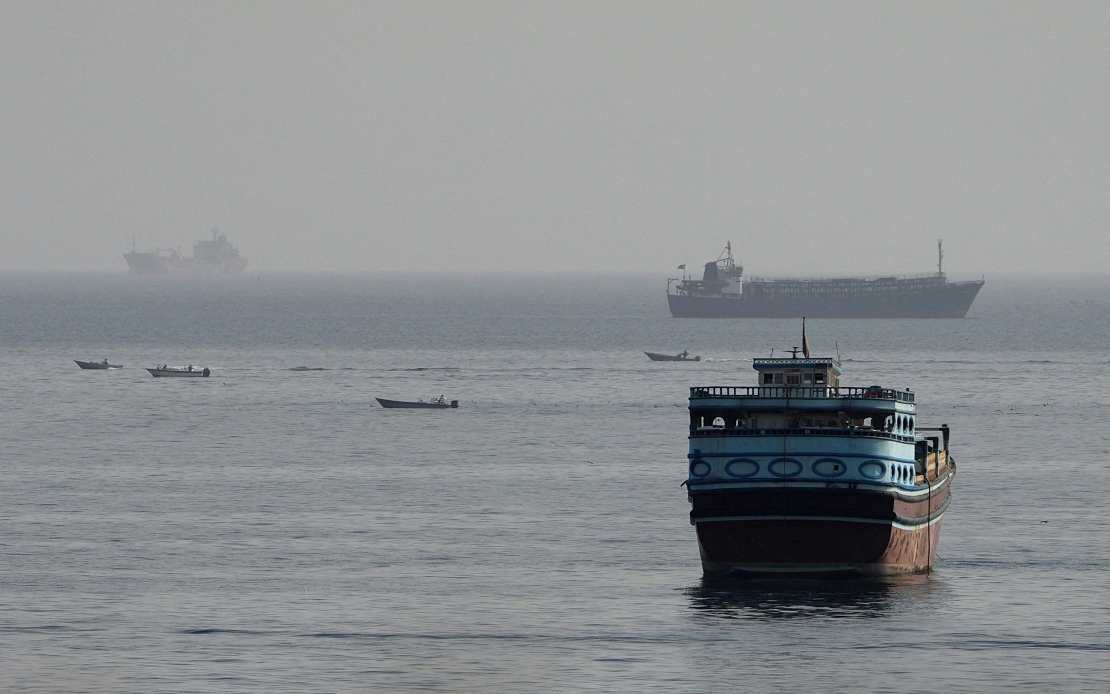
Japanese Prime Minister Sanae Takaichi has directly appealed to Iran to maintain free passage through the Strait of Hormuz, emphasising the critical importance of keeping this vital shipping corridor unencumbered by additional levies. Speaking from her Tokyo office on Wednesday, Takaichi underscored her message during a telephone conversation with Iranian President Masoud Pezeshkian, highlighting how the strategic waterway has become effectively unusable amid prolonged tensions between the United States and Iran. The call marks the first direct engagement between the two leaders since June and represents Japan's continuing diplomatic effort to navigate a delicate balancing act in a region where its economic interests are substantial.
The Strait of Hormuz represents one of the world's most crucial maritime chokepoints, with enormous volumes of global crude oil transit passing through its narrow waters annually. Japan, as a major energy importer with limited domestic petroleum reserves, faces particular vulnerability to disruptions in this corridor. Any additional fees or restrictions imposed by Iran could significantly elevate shipping costs and create uncertainty for Japanese energy companies attempting to maintain stable supply chains. Takaichi's intervention signals Tokyo's concern that the current geopolitical standoff could harden into new financial barriers that would further complicate energy procurement for Japanese industry and consumers already grappling with elevated global oil prices.
Beyond the Hormuz question, Takaichi communicated serious apprehension regarding parallel security threats in adjacent waters. She specifically referenced the deteriorating situation in the Bab el-Mandeb Strait, situated on the opposite side of the Arabian Peninsula and increasingly serving as an alternate route for crude oil shipments seeking to bypass the blocked Hormuz passage. The Japanese premier requested that Pezeshkian use Iran's considerable influence over Yemen's Houthi militia to encourage the group toward greater restraint in their maritime operations. This dual-front concern reveals how regional instability is creating cascading effects across multiple strategic waterways, compounding the challenges faced by Japan and other trading nations dependent on Middle Eastern energy supplies.
The Houthis, a Yemen-based armed faction aligned with Iranian interests, declared what they termed a "maritime blockade" in July with stated intentions to target Saudi Arabian vessels. However, the group's activities have extended far beyond this original scope, endangering commercial shipping from numerous countries. This week, Yemeni authorities reported that Houthi forces launched an attack on a merchant cargo vessel traversing the Bab el-Mandeb Strait, resulting in casualties and demonstrating the genuine hazard posed by their military operations. As international shipping increasingly diverts away from the paralysed Hormuz route toward the Bab el-Mandeb alternative, vessels find themselves navigating an equally perilous corridor now under de facto Houthi control, creating a situation where shipping companies face dangers regardless of which route they select.
Japan's diplomatic positioning on these matters reflects a long-standing strategy of maintaining constructive relations with Iran even as Tokyo remains firmly aligned with Western allies, particularly the United States. This equilibrium has become increasingly strained since late February, when the US-Israeli military campaign against Iran fundamentally altered the regional security environment. The previous three conversations between Takaichi and Pezeshkian all occurred within this conflict period, suggesting that Japan has prioritised sustained dialogue even as the broader geopolitical landscape has grown more volatile. Japanese policymakers evidently believe that maintaining channels of communication offers the best prospect for persuading Iran to adopt positions that serve Japanese interests in regional stability.
The timing of this intervention carries particular significance given that alternative shipping routes have themselves become congested and dangerous as vessels attempt to circumvent the Hormuz closure. Insurance costs for ships navigating the Red Sea region have risen sharply, and several international shipping companies have announced temporary suspensions of transit through affected areas. For Japan, which sources approximately 80 percent of its oil from the Middle East, such disruptions translate directly into economic consequences felt across manufacturing, transportation, and power generation sectors. Takaichi's direct engagement with Pezeshkian represents an attempt to address the problem at its diplomatic source before further damage accumulates.
The call also underscores the precarious position of neutral parties attempting to maintain normal commercial activities amid great power competition. Japan has historically positioned itself as a pragmatic actor willing to work with multiple regional powers, and this approach remains evident in how Tokyo handles the current crisis. Rather than joining calls for military intervention or imposing unilateral sanctions alongside Western partners, Japan seeks negotiated solutions through quiet diplomacy. However, this strategy's effectiveness increasingly depends on whether Iran and its allied militias perceive sufficient incentive to moderate their positions, a calculation that becomes harder to influence when broader political and military dynamics are moving in contrary directions.
For Southeast Asian nations like Malaysia, Japan's diplomatic efforts carry indirect implications. Regional trade routes passing through both the Strait of Hormuz and the Red Sea affect all East and Southeast Asian economies dependent on reliable energy imports and global supply chain connectivity. If the current situation continues to deteriorate, ASEAN nations could face similar pressures to engage directly with Iran and relevant parties, balancing their own economic needs against political sensitivities. Japan's experience in navigating these conversations offers potential lessons for how other Asian powers might manage analogous diplomatic challenges as regional security becomes increasingly complex and interconnected.
The broader context of deteriorating Iran-US relations continues to colour all regional developments. Pezeshkian's government faces domestic pressure to demonstrate strength and defend against what Iranian leaders characterise as foreign aggression, making it politically difficult for Tehran to unilaterally concede on issues like Hormuz transit. Yet the human and economic costs of continued disruption affect Iran's own economy as well, particularly through lost revenue from any potential transit fees and damage to its international commercial relationships. Takaichi's message implicitly acknowledges this tension by framing the request not as a demand but as a shared interest in maintaining a functioning global trading system from which Iran ultimately benefits.
Japan's continued engagement with Iran despite US pressure reflects both Tokyo's historical ties with Tehran dating back decades and the practical reality that some issues transcend bilateral disputes between Washington and Tehran. Energy security for Japan and its allies constitutes exactly such an issue, making it logical for Japanese leadership to pursue independent diplomatic channels even when broader allied consensus points in different directions. The success or failure of Takaichi's initiative remains unclear, but her public statements confirming the conversation signal to both Iran and Japan's other partners that Tokyo will persist in advocating for solutions that protect its core economic interests while avoiding further escalation.

