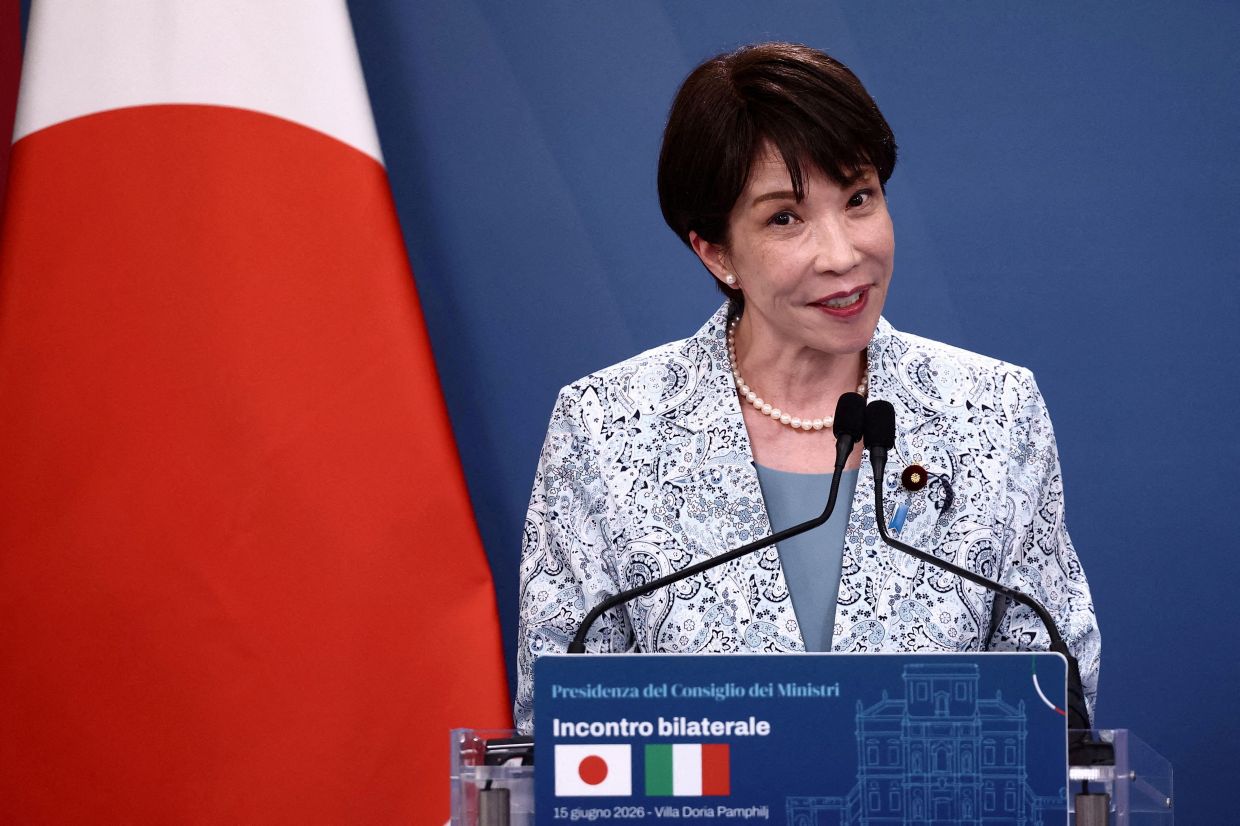
Japanese Prime Minister Sanae Takaichi faces a significant political challenge as public backing for her administration has slipped below the symbolic 50 per cent threshold for the first time since she assumed office in October. According to a Jiji Press survey released Thursday, her cabinet approval now stands at 49 per cent, representing a meaningful erosion of support that reflects broader concerns among the electorate about her government's direction and policy agenda.
The decline proves particularly pronounced among Japan's older demographic cohorts, with voters in their 60s registering a sharp withdrawal of confidence. This age group, which had strongly backed Takaichi just one month earlier at 63.7 per cent, has now reduced their support to 39.9 per cent—a precipitous drop of nearly 24 percentage points that underscores the speed at which public sentiment can shift. This generational crack in her coalition deserves close attention, as voters in their 60s typically represent a reliable base for conservative politicians in Japan.
When Takaichi assumed the premiership, she benefited from considerable goodwill tied to her position as Japan's first female prime minister. Polling data from that period suggested supporters were drawn to qualities they associated with her leadership style, including perceived decisiveness and personal trustworthiness. These personal attributes initially insulated her from more critical scrutiny that might otherwise have attached to her policy positions or government performance.
However, the current survey reveals a shift in the nature of public discourse surrounding her tenure. Those now expressing disapproval cite reasons including perceptions that the government offers little of substance to ordinary citizens and concerns that specific policy initiatives lack merit or adequate forethought. This distinction between personal regard and policy assessment suggests that Takaichi's individual standing, while still positive among remaining supporters, can no longer compensate for public scepticism about her administration's ability to deliver tangible improvements in Japanese life.
Earlier this year, in February, Takaichi appeared to consolidate her political dominance when her party achieved a decisive victory in snap lower house elections. That electoral success, which cemented her mandate to govern, benefited significantly from her appeal to younger Japanese voters. Observers attributed her traction with this demographic to her perceived diplomatic sophistication, an apparent capacity to relate to contemporary concerns, and the symbolic value of her gender in a traditionally patriarchal political establishment. The contrast between that February triumph and the current polling represents a notable reversal of momentum.
Several policy decisions and public statements made since that electoral victory have generated controversy that appears to have cost her support. Most significantly, Takaichi's November remarks suggesting Japan might militarily intervene to defend Taiwan against any assault have created diplomatic friction with China, which regards the self-administered island as part of its sovereign territory. This statement, while potentially resonating with security-conscious voters, has complicated Japan's relationship with its massive neighbour and raised questions about whether such provocative rhetoric serves Japan's strategic interests.
Additionally, Takaichi's push for legislation that would criminalise desecration of Japan's national flag has mobilised opposition from unexpected quarters. Early this month, approximately 150 academics spanning various disciplines submitted a formal petition to lawmakers expressing concerns about this legislative initiative. Their intervention reflects anxiety within intellectual circles that such measures could undermine freedom of expression and establish concerning precedents for government restrictions on fundamental liberties. The convergence of academic opposition on a single issue generates negative publicity that penetrates public consciousness.
These controversies arrive at a moment when Takaichi might have expected to capitalise on one significant economic achievement: the moderation of inflation across recent months. The period preceding her ascent to the premiership was marked by persistent price pressures that destabilised consumer confidence and contributed materially to the political downfalls of her two immediate predecessors. The tempering of inflation therefore represented a genuine policy success that might have bolstered her approval ratings. Yet even this favourable economic development appears insufficient to offset the accumulated reservations voters harbour regarding her government's direction.
The political implications of this polling data extend beyond simple arithmetic about how Takaichi's cabinet fares relative to arbitrary approval thresholds. Crossing below 50 per cent carries psychological weight in Japanese politics, as it signals transition from majority to minority territory. This threshold breach may embolden opposition parties to mount more aggressive challenges to government legislation and policies. Additionally, it potentially complicates any ambitions Takaichi might harbour to extend her premiership beyond a single term, as approval ratings significantly below 50 per cent typically encourage party factions to consider alternative leadership options.
For regional observers across Southeast Asia, the trajectory of Takaichi's approval decline warrants attention to the extent that her government's foreign policy—particularly rhetoric and positions regarding Taiwan and relations with China—may shift as political pressures mount. Prime ministers confronting domestic approval challenges sometimes adjust external policies to regain domestic support. Should Takaichi seek to rehabilitate her standing through nationalist appeals or security-focused messaging, this could influence the broader regional security environment and Japan's posture toward Southeast Asian nations for whom stability in great power relations remains consequential.
Looking forward, the critical question becomes whether this downturn represents a durable shift in public opinion or a temporary dip from which Takaichi's administration can recover through policy adjustments and renewed emphasis on economic performance. Her government retains legislative majorities and institutional resources to reshape its public image, yet the speed and breadth of recent approval decline suggests underlying vulnerabilities in her coalition that may prove difficult to reverse through conventional political remedies.

