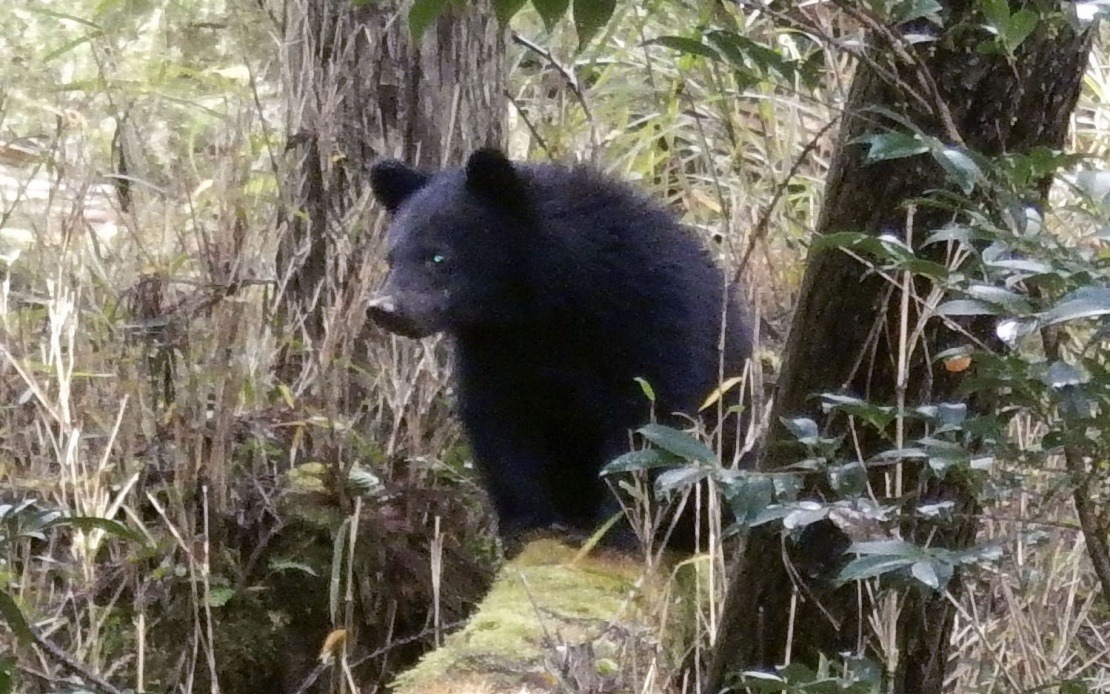
Japan's escalating wildlife crisis is creating an unexpected human toll. Over 40 per cent of local governments managing the nation's unprecedented surge in bear encounters have become targets of abusive complaints, lengthy harassment calls, and online harassment campaigns, according to a nationwide survey released by the Ministry of Internal Affairs and Communications. The findings underscore how public frustration over wildlife management is translating into real pressure on frontline municipal staff, raising fresh questions about the sustainability of Japan's approach to animal control and the psychological burden on civil servants tasked with navigating deeply polarised public opinion.
The Ministry of Internal Affairs and Communications surveyed 40 prefectural and municipal governments across Japan to assess the operational impact of heightened bear-related complaints. The results prove sobering: 17 of the sampled jurisdictions reported that managing public feedback over bear incidents had materially disrupted their normal operations, forcing officials to divert resources from other critical functions. The intensity of public contact varied significantly. Among the affected municipalities, 10 disclosed that they fielded complaints requiring exceptionally extended engagement—phone calls exceeding one hour in length—while five others described being overwhelmed by digital communications, including densely volume email campaigns and hostile website comments.
The nature of the harassment reveals deep societal divisions over wildlife policy. Some callers have made demands couched in animal welfare language, such as "Don't you ever kill bears!" delivered with such persistence and aggression that they monopolised staff time. Other instances included members of the public demanding escalation to senior officials, with repeated requests to "Put the governor on the phone." One particularly striking case involved a municipality that released a captured bear back into the wild, only to be flooded with contradictory complaints ranging from those angry the animal was not euthanised to others questioning why the release was not handled differently. The conflicting nature of public demands creates an impossible operational scenario where no decision satisfies all constituencies.
Harassment has extended beyond telephone and email channels into physical intimidation. One municipal employee responsible for bear management was photographed without consent by an individual advocating for wildlife protection, with those images subsequently posted online. This episode illustrates how personalised the conflict has become, transforming administrative work into a source of genuine personal risk for individual officials. The surveillance and public exposure of government employees raises serious concerns about workplace safety and the capacity of local administrations to retain qualified personnel willing to work in contentious policy areas.
The underlying driver of this administrative crisis is the explosive growth in bear encounters across Japan. Government data documented more than 50,000 bear encounters during the twelve-month period through March—a record figure representing a doubling compared to the preceding year. This unprecedented frequency has fundamentally altered the operational landscape for municipal wildlife authorities, who find themselves responding to incidents at a scale their systems were never designed to handle. The volume of encounters generates proportionally higher volumes of public complaint, but the complaints themselves appear increasingly driven by ideological positions rather than requests for practical information.
For Southeast Asian readers, Japan's experience offers cautionary lessons about the cascading human consequences of environmental change. As wildlife habitats across the region face pressure from development, human-animal conflict is intensifying in Malaysia, Indonesia, Thailand and other nations. The Japanese case demonstrates that managing these incidents involves not merely ecological expertise but also public communication strategies, staff protection protocols, and institutional resilience in the face of organised pressure campaigns. Regional governments investing in wildlife management infrastructure must simultaneously prepare their civil service for the psychological and organisational burden of managing polarised public discourse.
The survey was conducted over a twelve-month period commencing in July of the preceding year, providing a comprehensive snapshot of recent experience. The Ministry of Internal Affairs and Communications explicitly acknowledged in its findings that "measures are needed to reduce the burden on frontline staff," signalling official recognition that the current system is unsustainable. This statement represents a significant admission from the bureaucracy that something beyond standard operational adjustment is required—suggesting the problem extends to systemic vulnerabilities in how central government supports local implementation of contentious policies.
The divergence in public opinion reflected in these complaints mirrors broader tensions in Japanese society regarding human-wildlife coexistence. Animal welfare advocacy groups have become increasingly vocal in opposing lethal control measures, while communities experiencing property damage and safety risks demand aggressive culling. Local governments occupy the uncomfortable middle ground, implementing policies set by prefectural authorities while absorbing feedback from constituents holding irreconcilable positions. This structural mismatch between decision-making authority and accountability means that frontline staff bear the stress of implementation without meaningful control over policy direction.
The practical implications for municipal administration are substantial. When telephone operators and administrative staff dedicate hours to managing hostile or demanding calls, they cannot attend to routine licensing, permits, emergency response preparation, and other essential functions. The operational disruption extends beyond simple time loss; it creates a climate of apprehension within municipal offices, potentially degrading morale and institutional capacity. Over an extended period, such conditions typically result in higher staff turnover, loss of institutional knowledge, and deterioration in service quality across unrelated government functions.
Looking forward, Japan's central government faces mounting pressure to develop coherent national guidelines for bear management that include explicit protocols for public communication, staff protection, and complaint handling. The current situation, where individual municipalities improvise responses to harassment while managing escalating wildlife incidents, is clearly untenable. Regional governments across Southeast Asia should monitor how Japan resolves this challenge, as the solutions developed will likely prove relevant as wildlife conflict intensifies throughout the region. The intersection of environmental change, public opinion, and civil service capacity represents one of the defining policy challenges for the coming decade in East and Southeast Asia.

