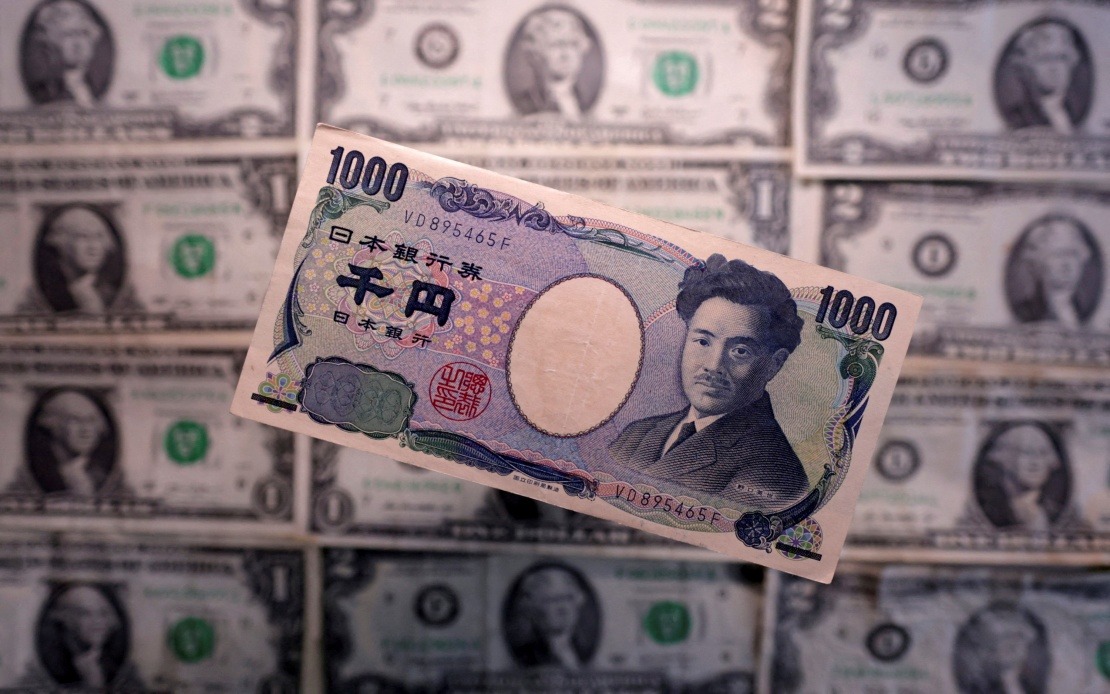
The Japanese yen briefly pierced the 158 barrier against the US dollar late on Thursday, triggering widespread speculation among currency traders that Tokyo's authorities had stepped into the market to defend their struggling currency. The sudden appreciation caught many participants off guard, occurring just hours before the Bank of Japan's scheduled policy announcement and one day after the US Federal Reserve opted to maintain interest rates at existing levels. By 5 pm local time in Tokyo, the yen had settled at 163.73-74 per dollar, though the earlier surge past 158 remained a focal point of market discussion.
The yen's recent trajectory has been decidedly downward, with the currency reaching its weakest point against the dollar in approximately four decades. This extended weakness reflects broader concerns among international investors about Japan's economic direction, particularly fears that the newly promoted Prime Minister Sanae Takaichi intends to pursue expansionary fiscal policies despite the nation's already precarious budgetary position. Japan carries the largest debt burden relative to the size of its economy among developed nations, a situation that aggressive spending would only exacerbate.
On Thursday itself, Takaichi announced an ambitious consumption tax reduction programme that would slash the levy on food and beverages to just 1 per cent from the existing 8 per cent rate, effective from April next year and lasting for two years. This marks the first consumption tax reduction since Japan introduced the system in 1989, signalling a dramatic policy shift toward stimulus-oriented governance. Yet market observers have grown increasingly anxious about how Tokyo plans to finance this substantial revenue loss, particularly given existing constraints on government finances.
The timing of the yen's unexpected strength raises intriguing questions about official intentions. Currency specialists noted that the previous day's Federal Reserve decision to hold rates steady had already begun triggering dollar selling against the yen, creating natural downward pressure on the US currency. Some market participants openly wondered whether Japanese authorities viewed this moment as opportune for intervention, allowing them to prop up the yen without appearing to act unilaterally against broader market movements. One trader expressed bafflement at the sudden buying interest, asking directly why the yen needed to be purchased so abruptly at that particular juncture.
Japanese government intervention in currency markets remains a sensitive and closely monitored practice. Official authorities are known to have last entered the foreign exchange arena between April and May this year, when they sold dollars to bolster the yen's value. Such interventions require careful timing and strategic communication to achieve maximum impact without distorting market expectations excessively. The latest episode, if confirmed as official action, would represent another instance of Tokyo attempting to manage its currency's valuation in response to economic pressures.
For Malaysian and Southeast Asian observers, Japan's currency challenges carry significant implications. A weaker yen traditionally makes Japanese exports more competitive globally, potentially affecting regional trade dynamics and export competitiveness. Conversely, Japanese investment flows into Malaysia and the broader region could shift depending on the Bank of Japan's policy direction and the overall strength of Tokyo's economic recovery prospects. The proposed consumption tax cuts, if implemented without accompanying revenue measures, could impact Japanese demand for regional imports and the country's investment capacity abroad.
The fiscal health concerns animating these discussions extend beyond mere statistics. Japan's aging population and shrinking workforce already constrain economic growth potential, and large-scale stimulus spending that fails to generate sufficient tax revenue creates structural imbalances that become progressively harder to correct. Market participants worry that Takaichi's spending plans, however well-intentioned in supporting consumer purchasing power, could accelerate Japan's fiscal deterioration without addressing underlying demographic headwinds. This dynamic has prompted closer scrutiny of the Bank of Japan's forthcoming policy statement, as investors seek signals about monetary accommodation for fiscal expansion.
The currency market turbulence also reflects deeper uncertainty about policy coordination between Tokyo's fiscal authorities and the central bank. If the government announces substantial spending commitments while the Bank of Japan maintains restrictive monetary policies, divergent signals could unsettle international investors and amplify exchange rate volatility. Conversely, if the central bank signals willingness to support fiscal stimulus through accommodative measures, such coordination might stabilise the yen at higher levels, though potentially at the cost of longer-term inflation pressures.
For currency traders and international investors, Thursday's developments underscored the unpredictability inherent in Japanese policy management at this critical juncture. The yen's sudden strength past the 158 level, despite broader depreciation pressures, demonstrates how official intervention or shifting market sentiment can produce sharp reversals. This volatility creates both opportunities and risks for multinational corporations with Japanese operations or exposure to yen-denominated assets, making careful hedging strategies increasingly important for regional businesses with exposure to Japan.

