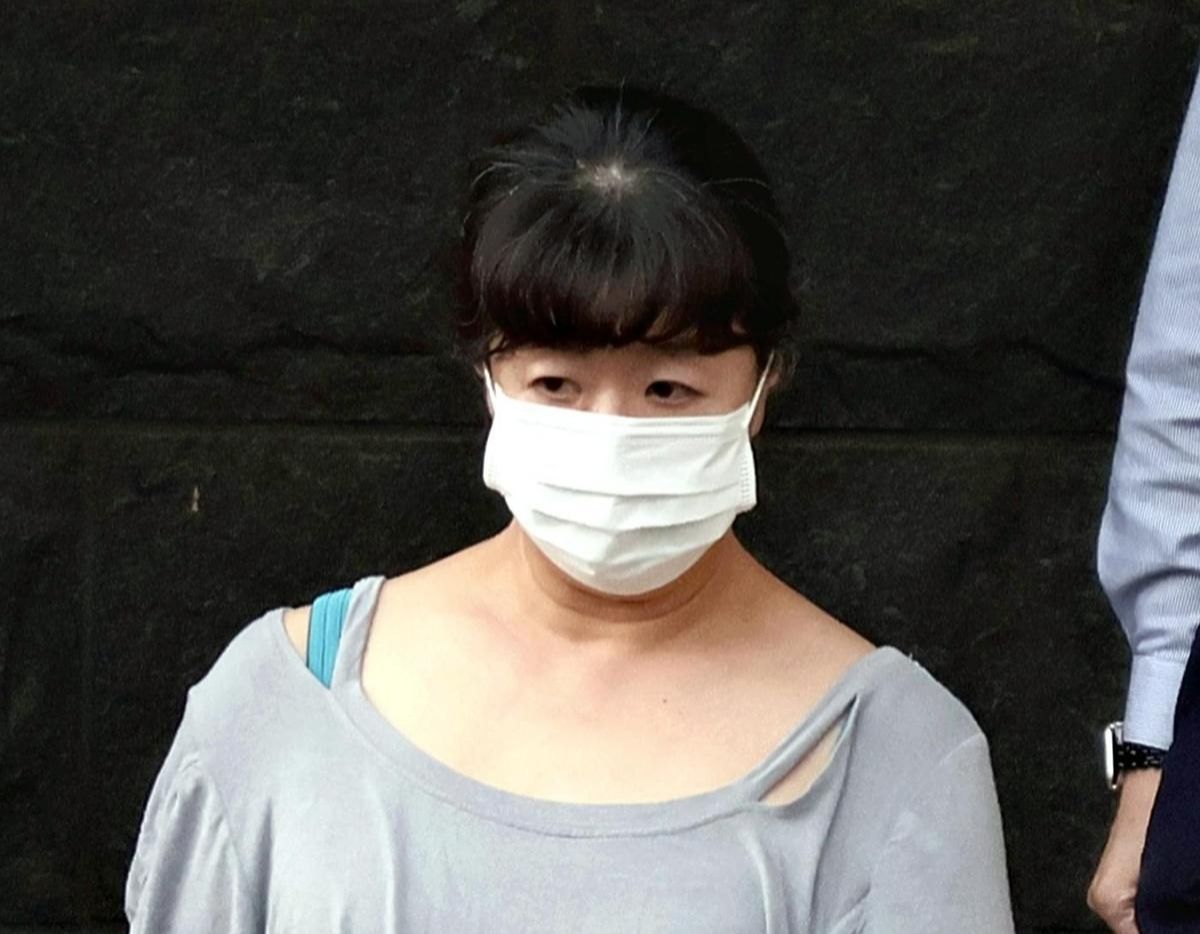
A midwife in Japan's Chiba Prefecture was arrested this week on suspicion of deliberately contaminating a patient's intravenous drip with faeces, an act police believe led to the man's death. Miyuki Furukawa, 51, faced a murder charge following the incident at Kashiwa Tanaka Hospital in the city of Kashiwa. The case underscores serious questions about hospital security, patient oversight, and the mechanisms by which healthcare workers' conduct is monitored in Japanese medical institutions.
Authorities allege that Furukawa introduced faeces into the extension tube of an intravenous line being administered to a 75-year-old male patient on January 30 at approximately 3.55am. The victim, a resident of Toride in neighbouring Ibaraki Prefecture, subsequently deteriorated and died around 10.30pm the following day. The exact medical mechanism by which the contamination led to death—whether through infection, systemic shock, or another pathway—has not been publicly detailed, though introducing faecal matter directly into bloodstream circulation represents an extreme biohazard.
The Chiba prefectural police have launched a comprehensive investigation into Furukawa's motivations and background. At this stage, her motive remains unclear, and authorities are examining her work history, relationships with patients and colleagues, and any documented incidents or complaints. Such cases of healthcare workers deliberately harming patients, whilst rare, raise profound concerns about screening processes, workplace culture, and the psychological assessment of medical professionals. Japan's healthcare sector, generally recognised for high standards, must now address how such an act could occur within a hospital setting.
The case reflects broader vulnerabilities in patient safety infrastructure. Modern hospitals deploy multiple safeguards—medication verification systems, surveillance cameras in critical care areas, and cross-checks by nursing staff—yet the alleged act occurred during night hours when staffing levels are typically lower and supervision less intensive. The accessibility of IV lines to unauthorised personnel or those with intent to cause harm represents a design and procedural concern that extends beyond this single institution.
For Malaysian readers, this incident carries lessons relevant to healthcare governance in Southeast Asia. Many regional hospitals share similar architectural layouts, staffing patterns during night shifts, and verification protocols. The case suggests that routine audits of hospital security, particularly in intensive care and high-dependency units, warrant strengthening. Additionally, psychological screening and background checks for healthcare professionals, though standard in many countries, may require review to identify individuals with concerning behavioural patterns or motivations.
The arrest also highlights the role of investigative diligence in uncovering crimes within healthcare settings. The contamination of an IV line would not leave obvious forensic evidence; discovery likely required either direct observation, review of surveillance footage, or investigation following suspicions raised by medical staff regarding the unexplained deterioration. This underscores the importance of cultures within hospitals where staff feel empowered to report anomalies without fear of institutional backlash.
In Japan, where trust in public institutions runs high, such incidents can shake public confidence in hospital safety. Media coverage of the case has been extensive, and questions will inevitably arise regarding whether Kashiwa Tanaka Hospital had adequate oversight mechanisms and whether warning signs were missed. Hospital administrators and the broader Japanese healthcare sector will face scrutiny regarding how such a scenario could unfold.
The legal proceedings against Furukawa will likely attract significant attention, particularly as details emerge about her professional history, any prior incidents, and her mental state. Japanese courts have historically treated healthcare worker crimes with gravity, recognising the breach of trust implicit in harming those under care. Depending on evidence presented, this could become a landmark case influencing how Japanese hospitals approach security, training, and accountability.
For the victim's family and the broader Toride and Kashiwa communities, the case represents a profound violation of the fundamental expectation that hospitals exist to heal, not harm. The extended period between the alleged contamination and death—approximately 19 hours—raises questions about whether medical staff noticed signs of deterioration that might have prompted investigation into the IV line's integrity or contents.
As the Chiba prefectural police investigation deepens, broader systemic questions will demand answers. Healthcare institutions across Japan and the region should view this case as an impetus to review their own protocols, assess vulnerabilities in patient care areas, and ensure that staff at all levels understand their responsibility to maintain vigilance. The alleged actions of one individual, if proven, must not be permitted to undermine the trust that patients place in healthcare systems designed fundamentally to preserve life.

