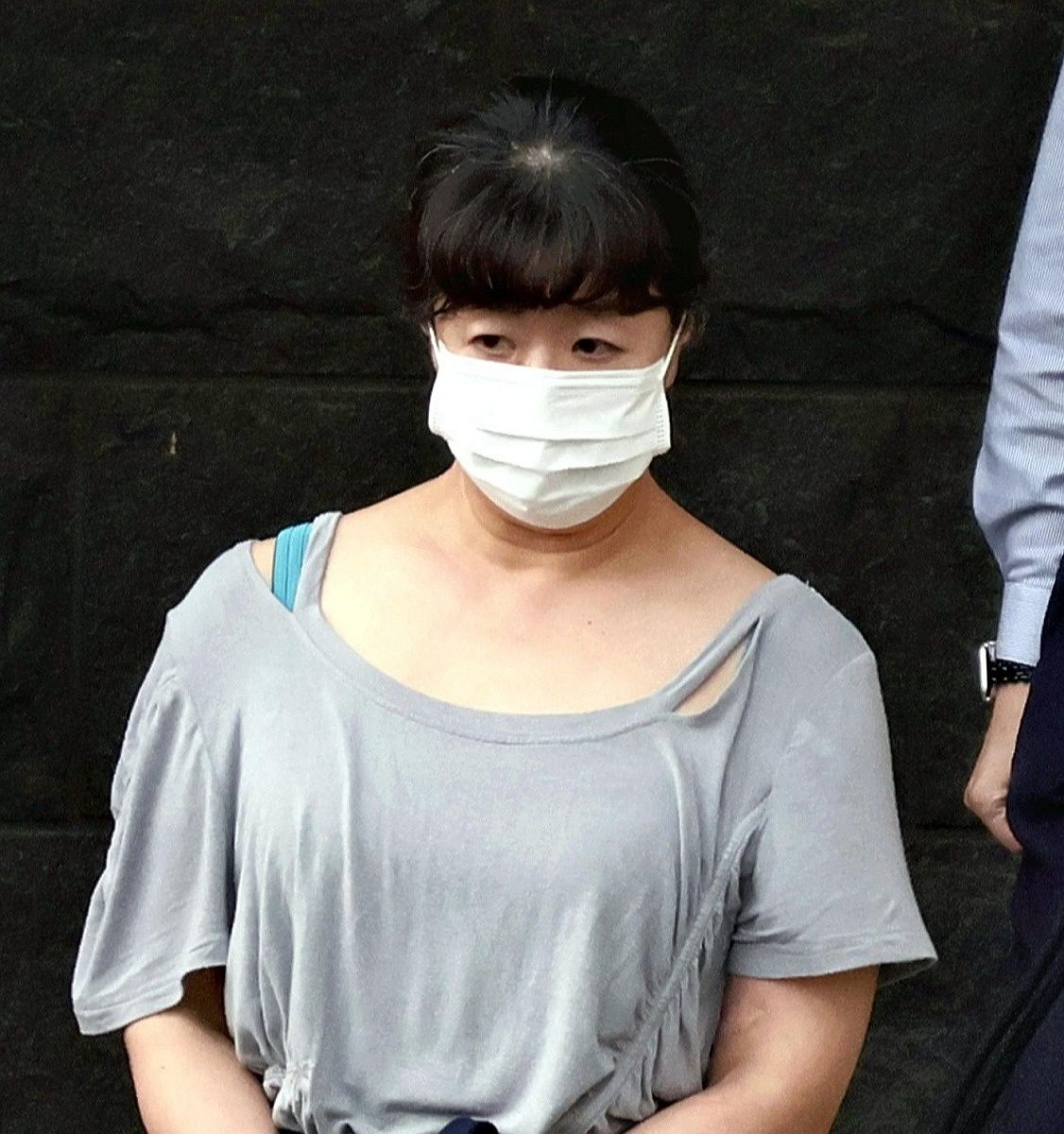
A shocking case of suspected medical malpractice has emerged in Japan, where a 51-year-old former nurse named Miyuki Furukawa was arrested on Wednesday, July 15, on suspicion of causing the death of a patient through deliberate contamination of medical equipment. The incident, which occurred at Kashiwa Tanaka Hospital in Chiba Prefecture near Tokyo, has raised serious concerns about patient safety and the screening of healthcare workers in Japan's medical institutions.
Furukawa is accused of introducing faecal matter into the intravenous extension tube of Eiji Aida, a 75-year-old patient, at approximately 3:55 am on January 30. The alleged contamination proved fatal. Aida's condition deteriorated sharply following the incident, and he was pronounced dead around 10:30 pm the following day. Medical examinations determined that his death resulted from multiple organ failure triggered by sepsis—a life-threatening condition caused by the body's extreme response to infection. Laboratory analysis of Aida's blood revealed the presence of bacteria commonly found in human faeces, providing crucial forensic evidence linking the contamination to the cause of death.
The arrest came after a hospital staff member discovered the brownish discoloration inside the IV extension tube and reported her concerns to Kashiwa Police on February 1. This observation proved instrumental in launching the investigation. At the time of the alleged incident, Furukawa held the position of head nurse on the hospital's night shift, giving her access to patient areas and medical equipment. Security camera footage from the hospital's surveillance system corroborates her presence, showing her entering and leaving Aida's room during the critical timeframe.
Investigators have uncovered several pieces of circumstantial evidence suggesting premeditation or at minimum a troubling mindset. According to police sources, Furukawa and Aida had previously argued, establishing a potential motive rooted in personal conflict. More damning still, detectives discovered that Furukawa had conducted smartphone searches for the phrase "faeces injection — Will [he] die?"—searches that suggest deliberate consideration of this method of harm. When confronted by authorities, Furukawa categorically denied the allegations, stating: "I deny inserting faeces into the tube."
The timeline of events and employment changes adds another dimension to the investigation. Furukawa continued working at Kashiwa Tanaka Hospital for approximately one month following the patient's death before resigning at the end of February. Notably, she subsequently found employment as a midwife at a different hospital in Tokyo, raising questions about whether her departure from Kashiwa Tanaka Hospital was voluntary or prompted by growing suspicions. Chiba prefectural police are now conducting a comprehensive investigation into her motivations and the precise circumstances surrounding the alleged contamination.
This case carries significant implications for healthcare quality and worker accountability across Japan and the broader region. Medical settings rely fundamentally on trust between patients, families, and healthcare providers. When a member of the nursing staff—particularly one in a supervisory capacity—is accused of deliberately harming a vulnerable patient, it strikes at the heart of the medical profession's ethical foundation. The incident has prompted serious reflection within Japanese hospitals about oversight mechanisms, workplace conduct monitoring, and the psychological screening of healthcare workers.
The hospital operating company, Aoikai, responded swiftly with a formal statement expressing profound remorse and condemning the alleged actions. "This is an absolutely unforgivable act for someone working at a medical institution and as a human being," the organisation said, emphasising that such conduct violates both professional standards and basic human decency. The statement further confirmed that Aoikai is "fully cooperating with the investigation and doing our best to reveal the facts," indicating a commitment to transparency and accountability.
For Malaysian and Southeast Asian readers, this case underscores the importance of rigorous background checks, psychological evaluations, and ongoing monitoring of healthcare professionals. While isolated incidents occur globally, the sophistication of this alleged crime—including pre-incident research into lethal methods—suggests gaps in vetting procedures that may exist across regional healthcare systems. Hospitals throughout Southeast Asia should consider implementing enhanced security measures, stricter supervision during night shifts when oversight is typically lighter, and clearer protocols for reporting suspicious findings in medical equipment.
The case also highlights vulnerabilities of elderly patients in hospital settings. Aida was 75 years old and dependent on intravenous treatment, making him particularly susceptible to harm from someone with access to his medical care. In an ageing Southeast Asian population, protecting vulnerable hospitalised patients becomes an increasingly urgent priority for healthcare administrators and policymakers.
The investigation by Chiba prefectural police continues as authorities work to establish Furukawa's precise motivations and determine whether any other incidents or patients may have been affected. The case will likely result in significant changes to hospital protocols and hiring practices not only at Kashiwa Tanaka Hospital but potentially across Japan's healthcare sector, serving as a cautionary tale for medical institutions throughout the world about the necessity of vigilance and accountability within healthcare environments.

