Japan is mobilising substantial resources to support Venezuela's recovery from a catastrophic natural disaster, pledging US$3.5 million in emergency grant assistance while deploying additional medical personnel to the stricken nation. Foreign Minister Toshimitsu Motegi outlined the comprehensive assistance package at a press conference in Tokyo on Friday, framing Japan's response as part of a broader commitment to international humanitarian cooperation in crisis situations.
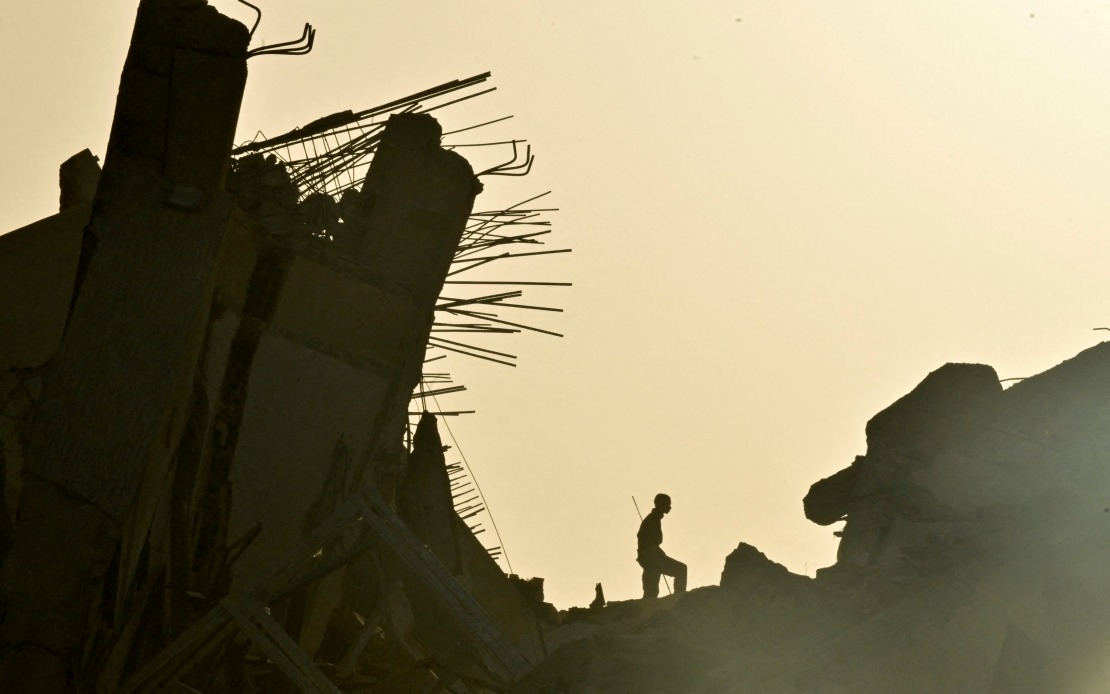
The twin earthquakes that struck Venezuela on June 24 have created one of the region's most serious humanitarian emergencies in recent years, with death tolls exceeding 3,000 people and leaving thousands more displaced or injured. The scale of destruction has overwhelmed local response capabilities, necessitating coordinated international assistance to prevent further suffering and disease outbreaks in the affected communities.
Japan's financial contribution will flow through established international organisations rather than bilateral channels, a mechanism designed to ensure efficient distribution and prevent duplication of relief efforts. The funds will specifically target four critical areas of humanitarian need: food security for displaced populations, healthcare services for the injured and vulnerable, emergency shelter solutions for those without housing, and other essential supplies required for basic survival and dignity.
The deployment of a second disaster relief medical team represents an escalation of Japan's operational commitment beyond its initial response. This expanded medical presence will address the ongoing healthcare crisis in affected regions, where hospitals have been damaged, medical supplies depleted, and disease risks heightened by poor sanitation and crowded displacement camps. Japanese medical professionals bring both technical expertise and equipment that local systems cannot currently provide.
This latest intervention builds upon Japan's rapid initial response to the emergency. The government had already authorised emergency relief supplies on June 30, just six days after the earthquakes struck, demonstrating the speed at which Tokyo mobilises humanitarian assistance when major disasters occur abroad. A first disaster relief medical team was approved for deployment on July 1, positioning skilled Japanese medical staff to begin treating casualties and preventing disease transmission.
Motegi's emphasis on working closely with international organisations reflects Japan's preference for multilateral coordination in humanitarian crises. Rather than pursuing unilateral aid efforts that might create competition or inefficiencies, Tokyo coordinates with established networks of UN agencies, Red Cross organisations, and NGOs already operating in Venezuela. This approach maximises the impact of Japanese resources and ensures they complement rather than duplicate other nations' contributions.
For Malaysia and other Southeast Asian nations, Japan's response offers a model of how regional powers can respond to humanitarian crises beyond their immediate geographic sphere. Japan's willingness to deploy medical teams alongside financial contributions demonstrates that effective disaster assistance requires both monetary resources and on-the-ground operational capacity. The balance between funding through international channels and direct deployment of personnel illustrates sophisticated humanitarian diplomacy.
Venezuela's crisis represents a test of international solidarity in an era of competing geopolitical interests. Japan's response, notably framed in purely humanitarian rather than political terms, underscores Tokyo's commitment to universal principles of human welfare. This approach contrasts with responses from some other nations that have attempted to link humanitarian assistance to political conditions or regime recognition.
The ongoing nature of Japan's commitment—with Motegi explicitly stating that support will continue according to need—indicates that Tokyo recognises this as a medium to long-term humanitarian situation rather than a short-term emergency. Earthquake recovery extends far beyond immediate rescue and medical response, encompassing reconstruction, disease prevention, mental health support, and rebuilding of infrastructure and livelihoods.
For regional observers, Japan's response also reflects broader Japanese foreign policy priorities. After decades of focusing development assistance on Asian neighbours, Tokyo has expanded its humanitarian engagement globally, particularly through multilateral mechanisms. This reflects Japan's vision of itself as a responsible international stakeholder contributing to global stability and human welfare.
The specific mention of coordinating with humanitarian partners highlights the complex ecosystem of organisations now engaged in Venezuelan relief work. Beyond UN agencies, numerous international NGOs have established operations, and Japan's commitment to coordination ensures its resources strengthen this network rather than creating parallel structures that might create inefficiencies or administrative burdens on local authorities.
Venezuela's particular vulnerability to natural disasters, combined with its existing humanitarian crisis stemming from economic collapse and political instability, creates a compounded emergency that single-sector responses cannot address. Japan's combined approach—financial resources plus medical expertise—recognises that earthquake recovery in such contexts requires multi-dimensional support addressing both immediate trauma and underlying vulnerabilities.
As Venezuela faces the long reconstruction period ahead, international commitments like Japan's will prove crucial in determining whether affected communities can rebuild or whether disaster deepens an already catastrophic humanitarian situation. Tokyo's willingness to sustain engagement, coupled with its coordination approach, positions its assistance as a stabilising rather than temporary intervention in Venezuela's ongoing crisis.

