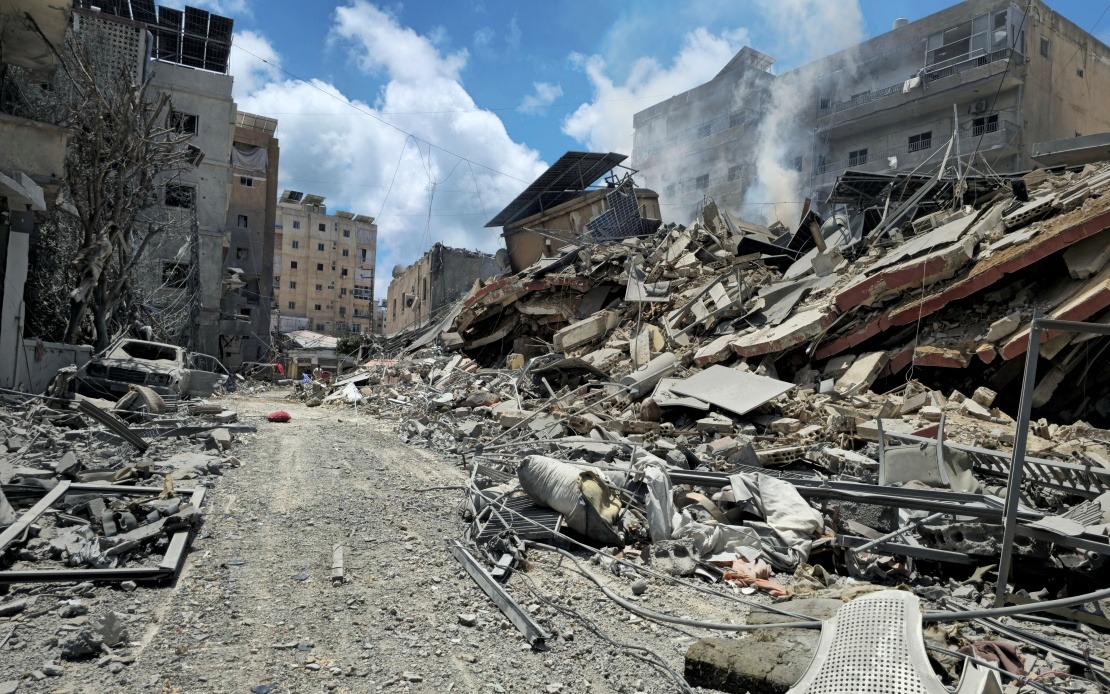
Japan has committed US$15 million in emergency humanitarian assistance to address escalating crises across West Asia, Foreign Minister Toshimitsu Motegi announced on Friday. The allocation reflects Tokyo's deepening engagement with regional stability at a time when several countries face compounding humanitarian pressures. The aid package, distributed through established international organisations, represents Japan's latest move to buttress peace efforts in a strategically vital region for global energy security and trade routes.
The assistance breakdown reveals Japan's strategic prioritisation of the most acutely affected areas. Approximately US$10 million will flow to Iran, which continues grappling with the aftermath of ongoing regional tensions and economic pressures. Lebanon, already teetering on the brink of financial collapse and facing severe shortages of essential goods, receives about US$4 million. The remaining US$1 million targets Palestinians in the West Bank, where humanitarian conditions have deteriorated amid prolonged geopolitical tensions. This tiered approach suggests Tokyo's assessment of where needs are most acute, though all three beneficiaries face severe challenges requiring sustained international attention.
The nature of the aid underscores the gravity of humanitarian shortfalls in these territories. Japan will deliver food supplies, medical equipment, pharmaceuticals, and associated support through trusted international mechanisms rather than bilateral channels. This routing through multilateral organisations allows Japan to ensure aid reaches vulnerable populations while maintaining diplomatic neutrality—a particularly delicate balance given the complex geopolitical relationships involved. The use of intermediary organisations also provides transparency and reduces risks of aid being diverted or weaponised in active conflict zones or economically destabilised nations.
Motegi's public statement emphasising that "peace and stability in the Middle East are of vital importance to Japan" carries significant weight beyond diplomatic formality. Japan's dependence on Middle Eastern energy supplies makes regional instability directly consequential for Tokyo's economy and energy security. The region also sits along critical maritime trading routes essential to Japanese commerce. These practical interests align with Japan's broader commitment to international humanitarian law, creating genuine convergence between strategic interests and humanitarian obligations that shapes Tokyo's regional engagement.
The decision to act now reflects Japan's recognition that humanitarian conditions across West Asia are reaching critical thresholds. Iran continues experiencing economic strain alongside political isolation, constraining its capacity to meet domestic needs. Lebanon's financial system has essentially collapsed, rendering the currency nearly worthless and pushing millions into poverty, while import-dependent food and medicine become prohibitively expensive for ordinary citizens. The West Bank faces persistent restrictions on movement and economic activity, limiting livelihood opportunities and access to services. These interconnected crises create cascading humanitarian consequences that demand external support.
Japan's approach to Middle Eastern aid has historically emphasised working through established international channels rather than unilateral initiatives. This strategy reduces complications arising from the region's fraught diplomatic landscape, where bilateral relationships often carry historical baggage or current tensions. By channelling assistance through organisations with on-ground capacity and established credibility, Japan ensures resources reach intended beneficiaries efficiently. This method also allows Japanese policymakers to respond rapidly to humanitarian emergencies without waiting for lengthy diplomatic negotiations between bilateral partners.
Motegi's commitment to continued collaboration with relevant nations and international bodies signals that this announcement represents an opening position rather than Japan's final engagement with these crises. Tokyo intends maintaining dialogue with both regional actors and global partners to coordinate humanitarian response and identify pathways toward stability. Such coordination becomes increasingly important as crises compound—when multiple regions face simultaneous emergencies, international donors must prioritise strategically while avoiding duplication or wasteful competition for resources.
For Malaysia and other Southeast Asian nations, Japan's expanded humanitarian role carries implications for regional security architecture. As Japan increases engagement across West Asia, the approach it adopts—whether emphasising military capabilities or humanitarian soft power—influences perceptions of Japan's broader strategic direction. Malaysia, with its own substantial Middle Eastern population and significant commercial interests throughout the region, shares Japan's interest in West Asian stability. Japanese commitment to humanitarian response rather than military escalation aligns with Southeast Asian preferences for crisis management emphasising development and diplomacy over confrontation.
The aid package also reflects shifting expectations about developed nations' responsibilities toward humanitarian crises beyond their immediate regions. Japan faces no direct territorial claims in West Asia and maintains no colonial history there, yet still commits substantial resources to alleviating suffering. This sets expectations for other economically advanced nations to contribute proportionally to global humanitarian needs. For ASEAN members evaluating their own international obligations, Japan's actions provide both a precedent and potential benchmark for appropriate developed-nation engagement with distant humanitarian emergencies.
Looking forward, the effectiveness of this assistance will depend significantly on ground-level implementation and the broader geopolitical environment. Even well-intentioned aid cannot substitute for political settlements or structural economic reforms needed to resolve underlying crises. However, humanitarian aid serves crucial functions by sustaining vulnerable populations while political processes unfold, maintaining human dignity during turbulent periods, and demonstrating international commitment to civilian welfare regardless of political disputes. Japan's contribution, while modest relative to the scale of needs, signals that West Asian humanitarian challenges remain on the international agenda and cannot be ignored despite competing global priorities.

