Jalan Burma represents the complex tapestry of George Town's appeal—a 5km arterial road stretching from the heritage zone's western boundary through to the upscale neighbourhood of Pulau Tikus, offering visitors an unlikely juxtaposition of restored colonial architecture and street-level gastronomic excellence. For those navigating Penang's historical city, understanding the main thoroughfares and their distinct character becomes essential to planning an authentic experience beyond the well-worn tourist circuit of Beach Street and Armenian Street within the UNESCO Historic Site.
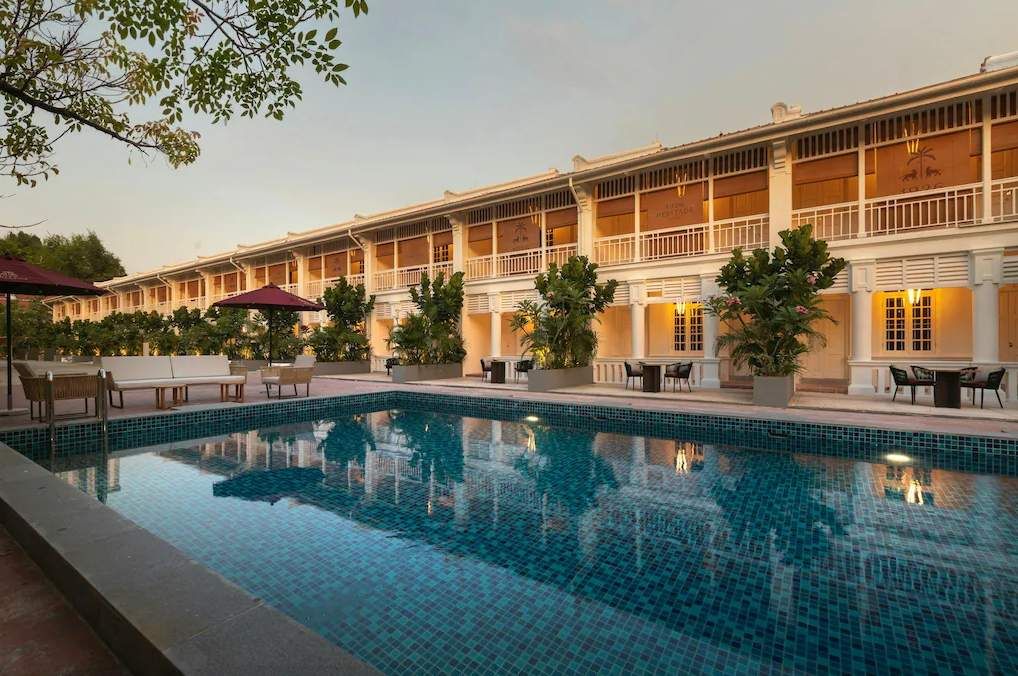
At the heart of Jalan Burma lies a quietly significant restoration project: a 1926 heritage building that has just marked its centennial year. Originally constructed as quarters for British colonial administrators and local government officials, the structure exemplifies the Anglo-Malay architectural vocabulary that defined Penang's built environment during the early twentieth century. In 1999, the Penang Development Corporation undertook the conversion of the original twenty-four interconnected link houses into a hotel property, thoughtfully preserving the building's character while adapting it for contemporary hospitality. The resulting 78 rooms and suites across six categories—including the Heritage Room designed for solo travellers and the expansive Straits Suite—maintain a careful balance between historical authenticity and modern comfort.
Yet what distinguishes a visit to Jalan Burma is not merely architectural heritage, but the concentration of Michelin-recognised dining establishments within walking distance. Penang boasts 74 venues recognized by the prestigious guide, with two holding one-star designations, 33 featured on the Bib Gourmand list recognizing exceptional quality-to-value ratios, and 39 receiving Michelin Selected status. Many of these establishments cluster within George Town itself, making a Michelin-focused culinary itinerary an entirely viable approach to exploring the city. For visitors uninterested in fine dining formality while on holiday, the Bib Gourmand stalls operating from food courts and traditional coffeeshops offer the same recognition without sacrificing the sensory experience integral to Penang's food culture.
Immediate to the heritage hotel, Duck Blood Curry Mee occupies a narrow shopfront alongside Restoran Old Green House, home to the Bib Gourmand-listed Green House Prawn Mee & Loh Mee. The existence of a second Green House outlet further down Jalan Burma toward Jalan Penang—identifiable by the prominent Komtar landmark—creates the kind of local legend common to competitive hawker scenes across Southeast Asia. Residents consistently direct visitors to the original stall despite claims of operational equivalence, a phenomenon reflecting the deeply personal relationships diners develop with their preferred food establishments. A single meal comprising both the curry noodles and prawn noodles varieties at the original location illustrates why such loyalty endures: the execution justifies the specificity.
The road's nomenclature carries the imprint of Penang's multicultural past. Originally designated Burmah Road on colonial-era signboards and maps, Jalan Burma accumulated alternative names reflecting the linguistic communities inhabiting its vicinity. Malay designations included Jalan Tarek Ayer or Water Cart Road, while Hokkien speakers referred to it as Gui Chia Chui and Cantonese speakers as similar references to water transport via bullock carts. This linguistic archaeology, preserved on an information board beneath the Komtar Octopus Pedestrian Bridge, documents the practical origin of the thoroughfare: it functioned as the primary route for water transportation during an era before modern infrastructure.
The arrival of Burmese settlers in Pulau Tikus during the nineteenth century initiated the road's official renaming, embedding immigrant history into Penang's spatial nomenclature. Contemporary evidence of this settlement persists in the Dhammikarama Burmese Temple, established two centuries ago and accessible via lanes branching from Jalan Burma, alongside subsidiary road names—Rangoon Road, Mandalay Road, and Moulmein Close—that perpetuate the Burmese cultural imprint. For visitors seeking to understand Penang beyond its commercial façade, these toponymic traces offer a pathway to comprehending how migration, settlement, and cultural integration shaped the city's physical geography.
Navigating Jalan Burma itself presents a generally pedestrian-friendly experience across its 5km length, though sections near Pulau Tikus lack formal walking paths. The safer, heritage-proximate sections reward deliberate exploration, particularly during morning or late afternoon hours when Penang's equatorial heat becomes more bearable. The road's function as a connective artery linking the UNESCO zone to residential neighbourhoods means traffic remains moderate compared to interior heritage zone congestion, and the presence of established shophouses and food establishments creates a lived, non-performative streetscape. A walking itinerary encompassing the heritage hotel, immediate food stalls, and the heritage zone proper—perhaps incorporating Lebuh Campbell, Lebuh Kimberley, and Beach Street—constitutes approximately 4km of moderate walking achievable in half a day.
The hotel's modern amenities, including high-tech water filters with WiFi connectivity in guest rooms, counterbalance the deliberate historical preservation of the physical plant. Such dual-layer design—respecting architectural integrity while ensuring contemporary traveller expectations—reflects a broader maturation in heritage hotel management across Southeast Asia. This approach allows visitors to inhabit historical space without sacrificing functionality, a balance many colonial-era properties struggle to achieve. Root House by Gen, the hotel's modern Chinese restaurant, provides on-premises fine dining for those unable or unwilling to venture into the warm evenings for meals elsewhere.
George Town's food geography resists neat categorization despite tourist guidebooks' attempts to impose order. Rather than discrete food zones, the city organizes around functional categories: halal establishments, pork-free options, street food clusters, cafes, and the historically dominant nasi kandar restaurants each command passionate constituencies of loyal patrons and equally vocal detractors. This fragmentation actually facilitates visitor navigation, as personal food preferences become more salient than geographic proximity. For those following Michelin recognition as their organizational principle, the concentration of listed establishments provides sufficient density to support multi-day culinary explorations without excessive repetition or backtracking.
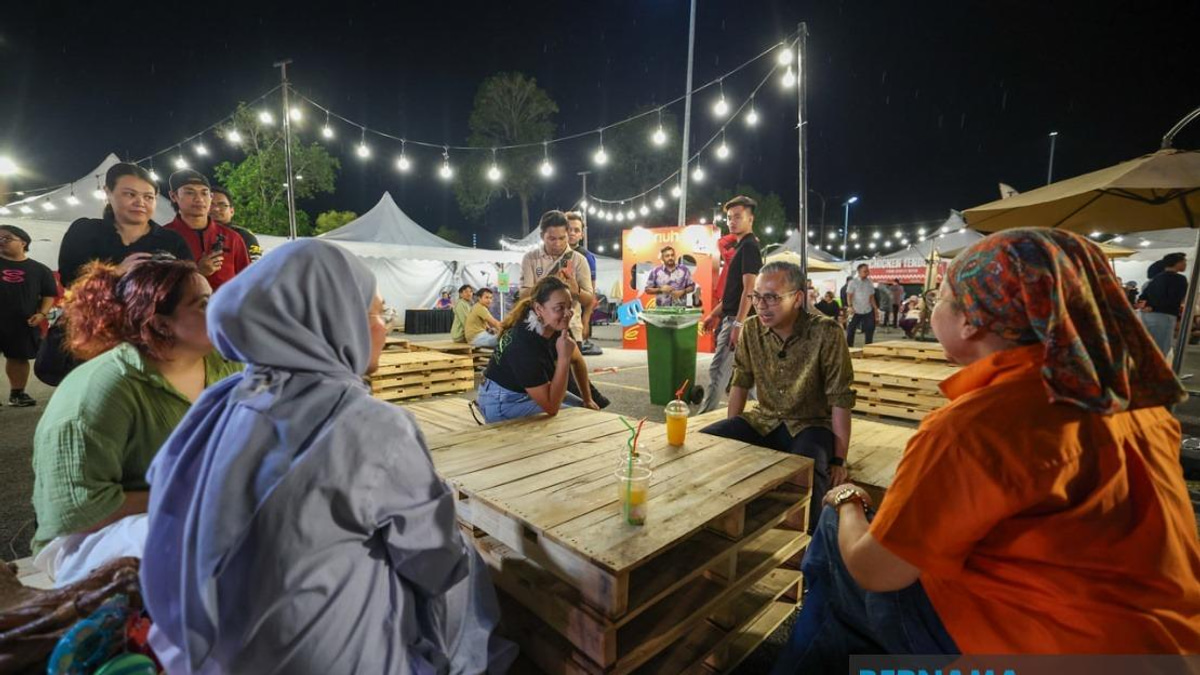
Weekend markets like Hin Bus Depot complement fixed gastronomic infrastructure by offering rotating vendors, live music, and the artisanal food and beverage producers that characterize Southeast Asian food culture's informal economy. These spaces capture the creative energy and community character that planned heritage zones sometimes sanitize in pursuit of preservation. The interplay between designated heritage sites, hotel-anchored dining, hawker centres, and weekend markets creates a multivalent food scene that accommodates visitors across preference spectrums—from heritage-conscious travellers to Instagram-driven experiences to serious culinary pilgrims following Michelin guidance.
For Malaysian visitors specifically, Jalan Burma and its immediate surroundings offer a model of how colonial inheritance can be productively integrated with contemporary economic activity rather than cordoned off as museum space. The stretch from the heritage hotel through established hawker stalls to the Burmese temple demonstrates how historical layers—British administration, Chinese commerce, Indian and Burmese migration, post-independence Malaysian governance—coexist spatially and temporally. This palimpsest of cultural influences rendered visible through architecture, food, and toponymy distinguishes George Town from sanitized heritage experiences elsewhere in the region. Understanding Jalan Burma, in this sense, means understanding Penang itself as a city perpetually negotiating between preservation and transformation, tradition and contemporary aspiration.