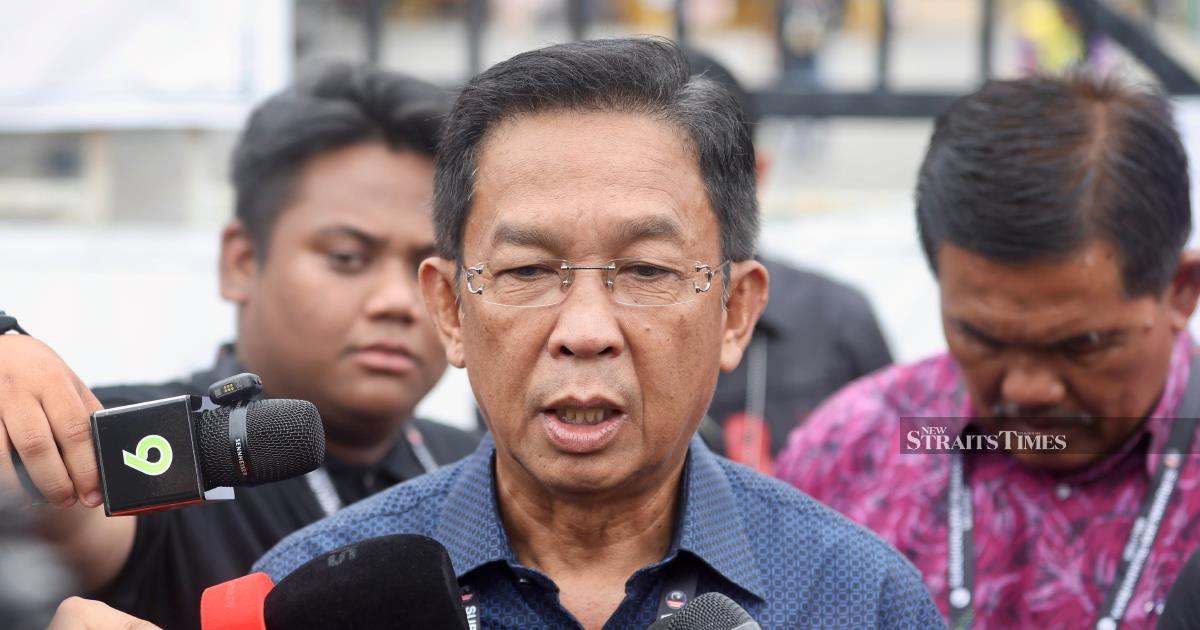
Datuk Seri Jalaluddin Alias, who chairs the Negri Sembilan Umno Liaison Committee, has moved to clarify the circumstances surrounding his absence from the recent menteri besar swearing-in ceremony held at Istana Besar Seri Menanti. According to Jalaluddin, the ceremony had been scheduled with insufficient notice, making it logistically difficult for him to arrange attendance. His explanation comes as political observers continue monitoring developments within state-level Umno structures following the appointment of the new menteri besar.
The swearing-in ceremony, which took place at the official residence in Seri Menanti, represented an important constitutional milestone for Negri Sembilan. As liaison committee chairman, Jalaluddin's presence would ordinarily be expected at such a significant state-level event, given the Umno party's dominance in the state's political landscape. His absence consequently drew attention among party members and political commentators tracking leadership dynamics within the organisation.
Jalaluddin's explanation highlights a recurring challenge in organising high-profile state events, particularly when constitutional procedures require the involvement of numerous dignitaries and party officials. Short notice for such ceremonies can arise from various circumstances, including delays in completing state-level political negotiations or unexpected scheduling changes imposed by protocol requirements at Istana level. In the Malaysian political context, these timing issues are not uncommon, as the appointment of state menteri besars often follows complex inter-party and intra-party negotiations that may conclude only days before the formal swearing-in.
The Negri Sembilan Umno organisation holds considerable sway over the state's political direction, making positions like liaison committee chairman relatively prominent within party hierarchies. Jalaluddin's role encompasses coordination between the state party structure and federal Umno leadership, alongside responsibilities for managing party messaging and ensuring alignment between state and national party positions. The timing of his statement suggests that party leadership remains attentive to perceptions regarding official engagement and commitment to constitutional ceremonies.
For Malaysian readers following state politics, such clarifications typically indicate efforts by party figures to maintain public standing and forestall speculation about internal disagreements or organisational dysfunction. In the competitive realm of state-level Malaysian politics, absence from major ceremonial occasions can invite unfounded rumours about conflict between party leaders or signs of weakening influence. By addressing the matter promptly, Jalaluddin appears intent on preventing any misinterpretation of his non-attendance.
Negri Sembilan's political landscape has experienced considerable complexity in recent years, with shifting coalitions and reconfigured power structures becoming familiar to residents of the state. The appointment of a new menteri besar represents one phase in these ongoing adjustments, with the swearing-in ceremony serving as an important symbolic moment for the state government. Against this backdrop, full turnout from party seniors at such events carries particular significance in demonstrating party cohesion and unity.
The menteri besar position occupies a central position in Negri Sembilan's governance structure, wielding substantial executive authority over state development priorities, budget allocation, and policy direction. The state's economic relevance extends beyond its borders, with industries including manufacturing, agriculture, and tourism contributing meaningfully to the wider regional economy. Consequently, the appointment process and transition to a new leadership team garner attention not only from state-based observers but also from analysts tracking developments across the wider Southeast Asian region.
Jalaluddin's clarification also reflects broader patterns within Malaysian political communication, where statements addressing absence or non-participation at significant events have become routine practice. This reflects heightened awareness among political figures that their movements and attendance patterns are subject to close scrutiny by both party colleagues and media observers. The need to explain such absences, even when the reasons are straightforward, underscores how carefully Malaysian political actors manage their public profiles and institutional relationships.
Moving forward, observers of Negri Sembilan politics will likely continue monitoring interactions between state Umno leadership and the new menteri besar administration, examining whether the party's liaison committee and other organisational structures maintain harmonious working relationships with the state government. Such dynamics often prove instructive for understanding broader patterns of party discipline, factional alignment, and the health of institutional relationships within Malaysia's political ecosystem. The incident, while apparently minor, contributes to the ongoing narrative about how state-level organisations manage their roles in the post-appointment period.

