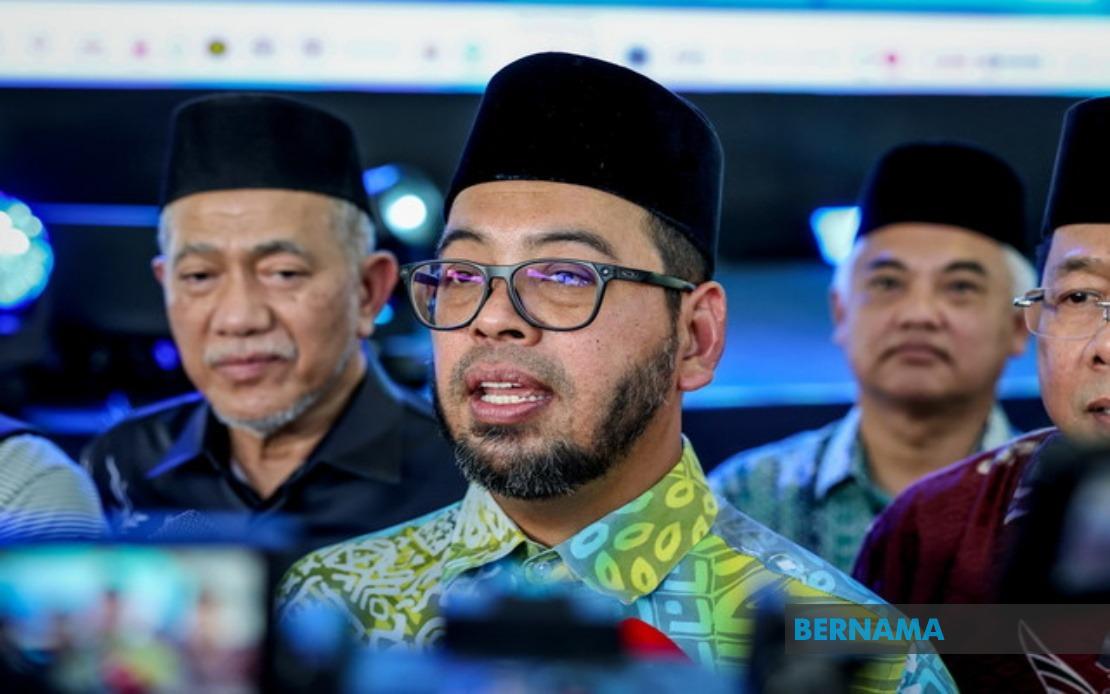
The Department of Islamic Development Malaysia (JAKIM) is moving to establish standardised funeral management guidelines that will apply uniformly across the nation, responding to a recent controversy that generated significant public attention. Religious Affairs Minister Dr Zulkifli Hasan announced the initiative during an official programme in Bukit Mertajam, emphasizing that the new framework will serve as a reference document for states while respecting existing regional laws and administrative structures.
The push for centralised guidelines reflects growing recognition that funeral practices require consistency alongside flexibility to accommodate diverse state-level regulations. Dr Zulkifli explained that while several states have already developed their own funeral management protocols, JAKIM believes the time has come to consolidate best practices into a more cohesive and comprehensive standard. This approach allows for uniformity in core principles while preserving the autonomy of state religious authorities who retain jurisdiction over implementation within their own jurisdictions.
The timing of this initiative connects directly to a recent controversy in Selangor that captured public attention when burial arrangements at Ukay Perdana Muslim Cemetery in Hulu Kelang became subject to dispute and delay. The incident involved allegations that a burial was improperly delayed, prompting swift intervention from the Selangor Islamic Religious Council (MAIS) and the Selangor Islamic Religious Department (JAIS). The situation underscores how gaps or ambiguities in funeral management procedures can create distress for grieving families and potentially damage public confidence in religious institutions.
MAIS chairman Datuk Salehuddin Saidin initiated immediate mediation involving the deceased's relatives, the Masjid Nurul Hidayah management, the welfare organisation Badan Kebajikan Salatulrahim, and JAIS officials. This multi-stakeholder approach reflects the complexity of funeral administration, which typically involves coordination between religious authorities, mosque committees, cemetery operators, and welfare bodies. The coordination gap that contributed to the Selangor incident appears to be precisely the kind of procedural ambiguity that centralised guidelines could address.
Dr Zulkifli projected that completion of the new guidelines would not require an extended timeframe, noting that foundational protocols already exist and require only refinement and consolidation. This pragmatic assessment suggests the exercise is more about harmonisation than wholesale reconstruction. The minister emphasised that the finalised standards will comply with all relevant state enactments and religious laws, indicating that JAKIM is approaching the task with awareness of Malaysia's federal structure and the distinct legal authorities operating in each state.
The broader context involves Malaysia's multicultural and multi-religious landscape, where funeral practices hold profound significance across Muslim communities. Standardised guidelines can help prevent inconsistencies that might disadvantage families unfamiliar with local procedures or create friction between different stakeholders managing burial arrangements. Clear, accessible standards also protect vulnerable populations—including recent migrants, elderly individuals, and those experiencing grief—by ensuring transparency in processes that are already emotionally fraught.
Dr Zulkifli's call for calm and cooperation reflects concerns that viral controversies surrounding funeral matters could inflame religious sensitivities or create unnecessary division within communities. His framing of the Selangor incident as a matter for state-level resolution demonstrates the appropriate deference to JAIS and MAIS authority, while simultaneously signalling that JAKIM will work to prevent similar situations through improved national frameworks. This balanced approach acknowledges that religious matters are sensitive without suggesting that federal coordination efforts are intrusive.
From a practical standpoint, standardised funeral guidelines could address common pain points such as unclear timelines for burial, ambiguous roles for various stakeholders, transparent fee structures, and dispute resolution mechanisms. Malaysian families facing sudden losses often struggle to navigate competing claims about appropriate procedures, costs, and timing. Guidelines that clarify these expectations upfront can reduce conflicts and ensure that grief-stricken relatives are not subjected to unexpected complications or disagreements about how to honour their deceased.
The initiative also has implications for funeral service providers and cemetery operators across Malaysia. Standardised guidelines could establish minimum service standards while protecting legitimate business interests. By creating transparent, nationally recognised procedures, the guidelines help professionalise the funeral services sector and protect consumers from exploitation while ensuring that operators have clear expectations about their obligations and limitations.
For Malaysian readers and regional observers, this development signals that religious authorities are responsive to public concerns raised through social media and are willing to undertake institutional reforms when problems become visible. The speed with which JAKIM moved to address the issue after it went viral suggests that digital pressure can influence policy decisions within Malaysia's Islamic governance structures. This responsiveness, combined with the federal-state coordination mechanism, offers a model for how Malaysia's plural administrative system can generate solutions to problems that affect communities across multiple jurisdictions.
The timeline for finalising these guidelines remains fluid, but Dr Zulkifli's expectation of prompt completion indicates this is not a low-priority initiative. The minister's involvement at a regional programme in Permatang Pauh also demonstrates that the government views funeral management standards as a matter of national importance rather than a purely local issue. As states eventually adopt or align with the new JAKIM guidelines, Malaysian families should experience more consistent and transparent funeral processes, reducing anxiety during already difficult periods.

