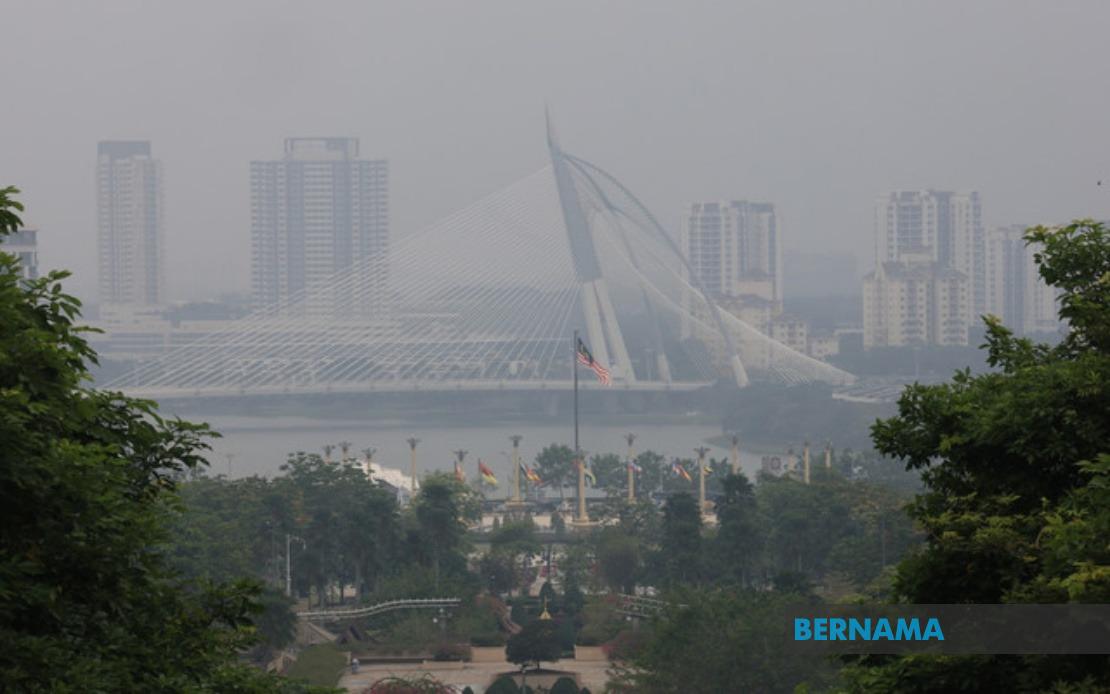
Malaysia's Islamic authorities are responding to the escalating haze crisis with a spiritual intervention, with the Department of Islamic Development Malaysia (JAKIM) organising Solat Hajat—a supplication prayer—across three prominent venues this evening. The simultaneous prayers at the National Mosque in Kuala Lumpur, the Putra Mosque, and Tuanku Mizan Zainal Abidin Mosque in Putrajaya represent an official acknowledgement of the air quality emergency now impacting significant portions of the nation.
JAKIM director-general Datuk Dr Sirajuddin Suhaimee announced the initiative in a public statement, framing the religious observance as a communal appeal for safeguarding and relief. He emphasised the importance of collective Muslim participation in seeking Allah's protection, good health, and safety during what he characterised as a national trial. The prayers will commence following Maghrib, the evening prayer, making them accessible to working Malaysians and evening worshippers across the three locations.
The religious response carries institutional weight, having been prompted by a formal decree from Al-Sultan Abdullah Ri'ayatuddin Al-Mustafa Billah Shah, the Sultan of Pahang, who called upon all Malaysians to engage in prayer and seek divine assistance for those experiencing the haze's effects. This royal endorsement signals the gravity with which Malaysia's leadership views the air pollution phenomenon. Additionally, Dr Zulkifli Hasan, the Minister in the Prime Minister's Department (Religious Affairs), issued a parallel directive encouraging such spiritual efforts, creating a unified message across both religious and governmental channels.
The timing of this initiative reflects deteriorating conditions across the peninsula and federal territories. As of 8 am on the day of the announcement, air quality measurements had crossed unhealthy thresholds in 17 distinct areas spanning six states: Sarawak, Selangor, Negeri Sembilan, Johor, Melaka, and Perak, alongside Kuala Lumpur and Putrajaya. The Air Pollutant Index (API) readings indicated a widespread problem rather than isolated pockets of poor air quality, suggesting either transboundary pollution sources or multiple domestic contributors.
For Malaysian readers, this development underscores how environmental crises intersect with religious and cultural responses. The haze phenomenon, which has periodically affected Southeast Asia for decades, often originates from agricultural burning in neighbouring Indonesia, though domestic sources also contribute during crisis periods. When conventional mitigation measures prove insufficient, societies frequently turn to spiritual frameworks for both psychological reassurance and collective action.
The Solat Hajat represents a traditional Islamic response to adversity, with historical precedent in Muslim-majority societies facing collective challenges. By institutionalising this prayer through JAKIM's involvement and positioning it at state-level mosques, Malaysian authorities are legitimising spiritual coping mechanisms while simultaneously demonstrating governmental concern. The prayer serves dual purposes: enabling citizens to process anxiety about environmental conditions and creating moments of communal solidarity during a crisis.
The inclusion of the Putra Mosque and Tuanku Mizan Zainal Abidin Mosque specifically anchors the prayer initiative in Putrajaya, the administrative capital, thereby ensuring visibility and accessibility to civil servants and federal employees. The National Mosque's participation reinforces the national character of the undertaking. These venue selections suggest JAKIM's intent to demonstrate comprehensive coverage and institutional commitment rather than viewing the prayer as a peripheral religious activity.
From a regional perspective, Malaysia's approach reflects broader Southeast Asian patterns in managing transboundary environmental challenges. While diplomatic channels and bilateral agreements address the structural causes of haze, domestic religious and community responses provide immediate psychological and spiritual resources to affected populations. This multilayered approach acknowledges both the technical complexities of air pollution and the cultural foundations through which communities make meaning during environmental distress.
The initiative also carries implications for how Malaysia manages public health communication during environmental emergencies. By coupling spiritual activities with the implicit government sanction evidenced through ministerial support and royal decree, authorities signal that the crisis warrants extraordinary measures. This framing may encourage broader public compliance with health advisories and air quality warnings, as citizens perceive unified messaging across secular and religious domains.
Malaysian Muslims participating in tonight's Solat Hajat will join millions across the nation grappling with compromised air quality and its associated health risks. The prayer represents neither denial of the environmental problem nor abdication of responsibility for addressing it; rather, it functions as a legitimate component of crisis response within Islamic tradition. As haze episodes continue to pose seasonal challenges across Southeast Asia, understanding how different societies integrate spiritual, governmental, and technical responses remains essential for evaluating regional climate and environmental resilience.
Looking forward, the effectiveness of such initiatives depends partly on whether they catalyse concrete policy changes or remain symbolic gestures. Malaysian policymakers face ongoing pressure to negotiate with regional neighbours regarding transboundary pollution sources while simultaneously strengthening domestic monitoring and enforcement of environmental standards. The spiritual dimension articulated through tonight's prayers complements rather than substitutes for these technical and diplomatic imperatives.

