Authorities in Greater Jakarta have apprehended a 34-year-old resident identified only as MY following a bomb scare that disrupted the opening day of classes at SD Srengseng Sawah 15 Pagi state elementary school in the Jagakarsa district of South Jakarta. The arrest came within hours of a threatening message circulating through WhatsApp, in which the sender claimed to have planted explosives at multiple points throughout the school compound. The incident underscores growing concerns about security breaches and hoax threats targeting educational institutions across the Indonesian capital, where schools remain vulnerable to disruptions despite existing safety protocols.
The alarming message, which alleged that bombs had been positioned at eleven different locations across the school premises, was initially received by teachers and administrative staff members on Monday morning. The recipients discovered the threat after a flag-raising ceremony concluded, prompting immediate notification to authorities and triggering a swift emergency response. School officials moved quickly to evacuate the student population and clear the campus, fearing potential danger despite the lack of corroborating evidence at that stage. This rapid action reflects heightened awareness among educational administrators about the need to treat such threats seriously, given the catastrophic consequences should any prove legitimate.
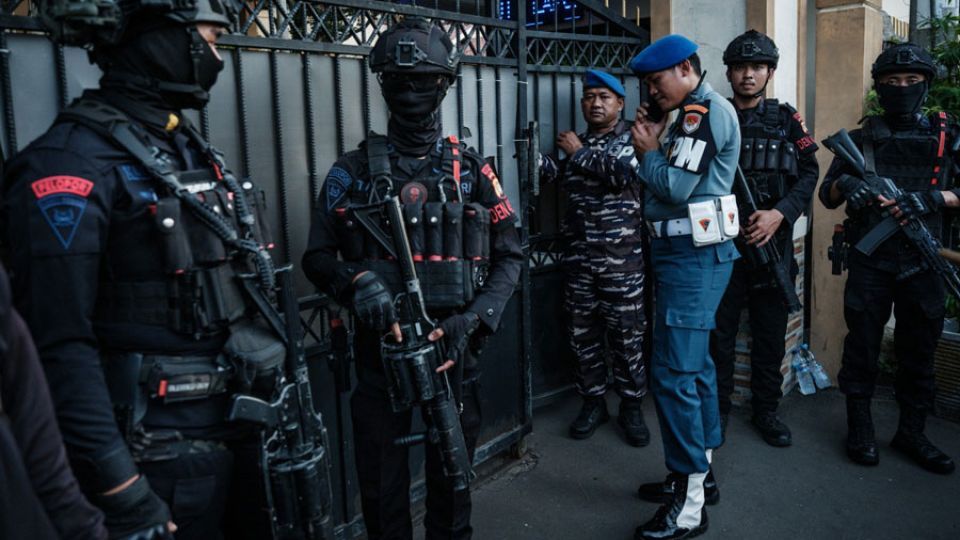
In response to the threat, Indonesian law enforcement mobilised specialist units to conduct thorough searches of the school facility. The Gegana bomb disposal unit, responsible for identifying and neutralising explosive devices, along with personnel from Densus 88, the national counterterrorism squad, deployed to SD Srengseng Sawah 15 Pagi to sweep the compound methodically. Their comprehensive examination of the eleven reported locations, as well as additional areas within the school complex, ultimately found no explosive devices or materials. The absence of any actual ordnance suggests the incident was either a false alarm or, more troublingly, a deliberate hoax designed to cause chaos and disruption.
Authorities arrested MY near the school premises shortly after the threatening message emerged, indicating that investigators quickly identified and apprehended the suspected perpetrator. The suspect, who reportedly resides in the vicinity of the school, was transferred to South Jakarta Police headquarters for formal questioning and continued investigation. Detectives have initiated a comprehensive inquiry into the motivations driving the individual to send such a serious threat, examining potential personal grievances, mental health issues, or other underlying factors that may have prompted the action. Understanding the suspect's state of mind and intentions will be crucial for prosecutors in determining appropriate charges and for the police in assessing whether similar threats might emanate from this individual or associated networks in future.
Greater Jakarta Police spokesperson Sr. Comr. Budi Hermanto confirmed during a Monday statement that the individual had been secured and was cooperating with investigators examining the circumstances surrounding the incident. Authorities emphasised that inquiries remained ongoing to establish definitively why MY sent the bomb threat and what he hoped to achieve through such actions. The spokesperson's remarks highlighted police commitment to pursuing a thorough investigation into the matter, though investigators appeared cautious about revealing specific details that might compromise the ongoing case or prejudice potential judicial proceedings.
Jakarsa Police chief Comr. Nurma Dewi provided additional operational details about how the threat unfolded within the school environment. The threatening communication had been transmitted via WhatsApp directly to multiple recipients among the teaching staff and school administration, timing the message to coincide with the Monday morning flag-raising ceremony when students were assembled. This tactical timing suggests the sender had knowledge of the school's daily routines and was deliberately attempting to cause maximum disruption during an important ceremonial moment. The recipients' decision to report the threat immediately after the ceremony concluded rather than during it potentially prevented panic among the student body, though evacuation became necessary once the severity of the claim became apparent to leadership.
The incident at SD Srengseng Sawah 15 Pagi marks another in a series of disruptive incidents affecting Indonesian schools, where the use of messaging applications to transmit threats has become increasingly common. The accessibility and relative anonymity of platforms such as WhatsApp make them attractive to individuals seeking to cause public alarm without exposing their identities immediately. This challenge has forced schools across Jakarta and other major cities to develop rapid response protocols and maintain close coordination with local police to distinguish genuine threats from deliberate hoaxes. Educational administrators now face the ongoing tension between taking all reported dangers seriously and avoiding excessive alarm that might traumatise students and erode public confidence in school safety.
The broader implications of the Jagakarsa incident extend beyond the immediate disruption to classroom activities on the opening day of the academic term. Such threats create anxiety among parents concerned about their children's wellbeing at school and impose significant resource demands on law enforcement agencies that must respond to every credible-sounding claim. Police units including specialist bomb disposal and counterterrorism personnel represent expensive, highly trained resources that must be diverted from other duties to address threats that frequently prove unfounded. This pattern of repeated false alarms raises questions about how Indonesian authorities might better manage threat assessment, education of the public about the consequences of hoax threats, and potential legal penalties that might deter future incidents.
For Southeast Asia more broadly, the incident reflects common patterns emerging across regional educational systems where digital communication channels enable new forms of disruption and social unrest. The ease with which threatening messages can be transmitted anonymously through widely available platforms creates a law enforcement challenge that transcends Indonesia's borders. Schools in Malaysia, Singapore, Thailand, and other neighbouring countries have similarly experienced hoax bomb threats delivered through messaging applications and social media platforms. Regional cooperation on threat assessment, information sharing about patterns of hoax threats, and coordinated approaches to deterrence might help authorities across Southeast Asia address this growing phenomenon more effectively.

