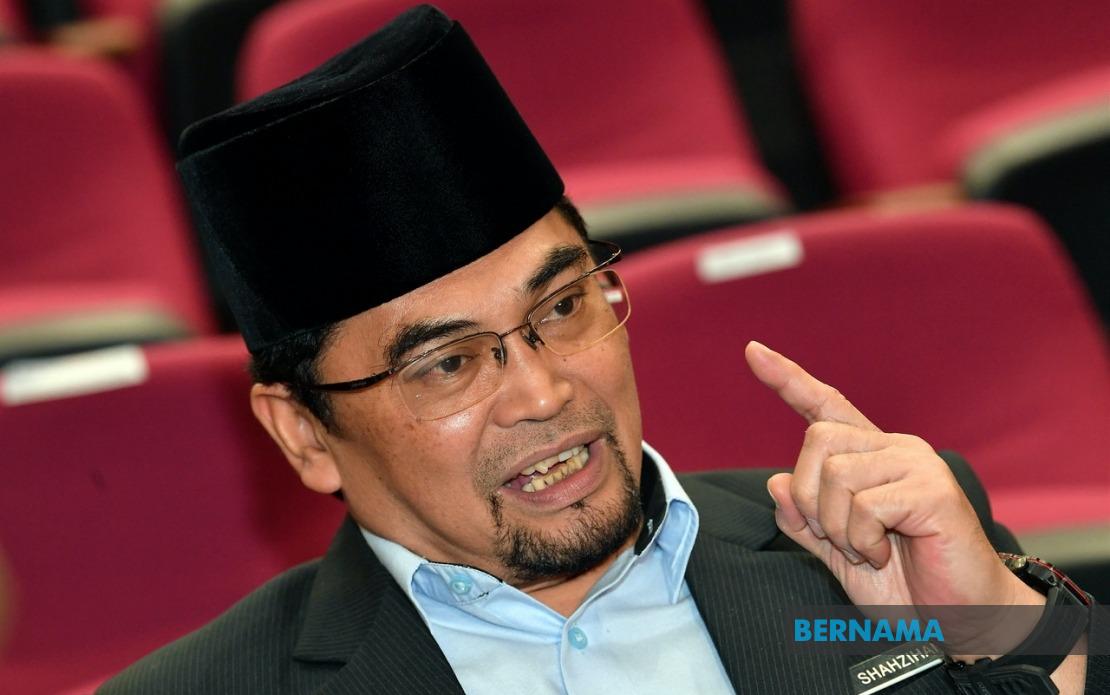
The Selangor Islamic Religious Department (JAIS) is moving to establish stronger safeguards within religious educational institutions across the state, prompted by mounting concerns over teacher misconduct. The department has initiated comprehensive discussions aimed at creating formal measures and operational guidelines specifically designed to prevent sexual offences and other inappropriate behaviour in madrasahs and religious schools. This proactive stance reflects a growing recognition among state educational authorities that institutional vulnerabilities require systematic institutional responses rather than ad-hoc crisis management.
Datuk Mohd Shahzihan Ahmad, who heads JAIS, disclosed that the department is actively collaborating with the School Registration Committee to develop these protective frameworks. Among the proposals under consideration is a substantially more rigorous screening mechanism for all teaching staff. The enhanced vetting process would move beyond basic qualifications and background checks to include formal verification of criminal history, marking a significant departure from existing practices in the religious education sector. This aligns with international best practices observed in mainstream education systems worldwide, particularly in jurisdictions that have implemented child safeguarding reforms following institutional scandals.
The proposed police clearance requirement would serve as a foundational layer of protection, establishing a baseline standard that eliminates individuals with relevant criminal records from working in direct contact with students. However, JAIS officials have acknowledged that implementation presents logistical challenges, particularly regarding the coordination between religious school authorities and law enforcement agencies. Discussions with police are ongoing to determine the most practical methodology for conducting these clearances efficiently without creating excessive administrative burden on schools already operating under resource constraints. The department recognises that effective safeguarding requires not merely bureaucratic requirements but seamless integration with existing school management systems.
Beyond personnel vetting, JAIS is equally focused on reshaping institutional culture and behavioural protocols within religious schools. New guidelines governing interactions between faculty and students are being developed with the explicit aim of establishing clear boundaries and preventing situations in which misconduct might occur or flourish undetected. The proposed approach emphasises environmental controls—essentially designing physical and temporal structures that minimise opportunities for inappropriate contact to develop or escalate. This preventive strategy acknowledges that even well-intentioned individuals might find themselves in compromising situations if institutional safeguards are absent.
The recommended framework includes prohibitions against providing preferential treatment to specific students and restrictions on private interactions occurring during irregular hours or without adequate supervision. Teachers and administrative staff would be instructed to avoid conducting memorisation sessions or other group activities during periods of reduced oversight, particularly when facilities would otherwise be empty or minimally populated. These specifications translate abstract concerns about misconduct into concrete operational rules that school management can monitor and enforce. The framework also extends accountability beyond individual teachers to encompass administrative personnel and student peer relationships, recognising that institutional safety depends on collective commitment rather than isolated compliance.
This initiative arrives in the aftermath of reported incidents involving alleged sexual assault by an instructor at a religious institution in Selangor. The state government previously transferred investigation of that particular case to police authorities, triggering broader institutional soul-searching about systemic vulnerabilities. The incident appears to have catalysed JAIS leadership to view safeguarding not as peripheral administrative concern but as central to institutional credibility and legitimacy. Religious schools in Malaysia occupy a distinctive position within the broader educational landscape, serving substantial student populations whilst often operating with less public scrutiny than government schools, a dynamic that JAIS now appears determined to address.
The establishment of formal guidelines represents meaningful progress in an environment where many religious institutions have historically relied on informal social mechanisms and religious authority to maintain order. However, Malaysian observers note that policy formulation and effective implementation represent distinct challenges. School management buy-in remains essential, particularly given that many religious schools operate with limited institutional capacity and face competing financial and administrative pressures. JAIS will need to provide meaningful support to schools during the transition period, including staff training, clear documentation, and demonstration of commitment from state authorities.
For the broader Malaysian context, these measures reflect evolving attitudes toward institutional accountability and child protection across religious and secular educational domains. The recognition that enhanced vetting and structural safeguards are necessary indicates growing acceptance that traditional approaches centring on reputation and trust require supplementation with systematic verification and oversight mechanisms. This philosophical shift, though incremental, carries implications extending beyond Selangor's borders, as other state Islamic education departments likely face similar pressures and questions from parents and community stakeholders.
The timing of these announcements also carries significance in relation to ongoing discussions about regulatory frameworks governing religious institutions in Malaysia. As state authorities increasingly assert supervisory authority over madrasahs and religious schools, questions naturally arise regarding the appropriate balance between institutional autonomy and external accountability. JAIS's proactive approach suggests recognition that religious institutions cannot credibly claim exemption from contemporary child protection standards, a position that may influence regulatory discussions at both state and federal levels. The success or failure of Selangor's implementation effort will likely influence whether similar initiatives emerge in other states, making this initiative a potential precedent for the nation's broader institutional reform trajectory.

