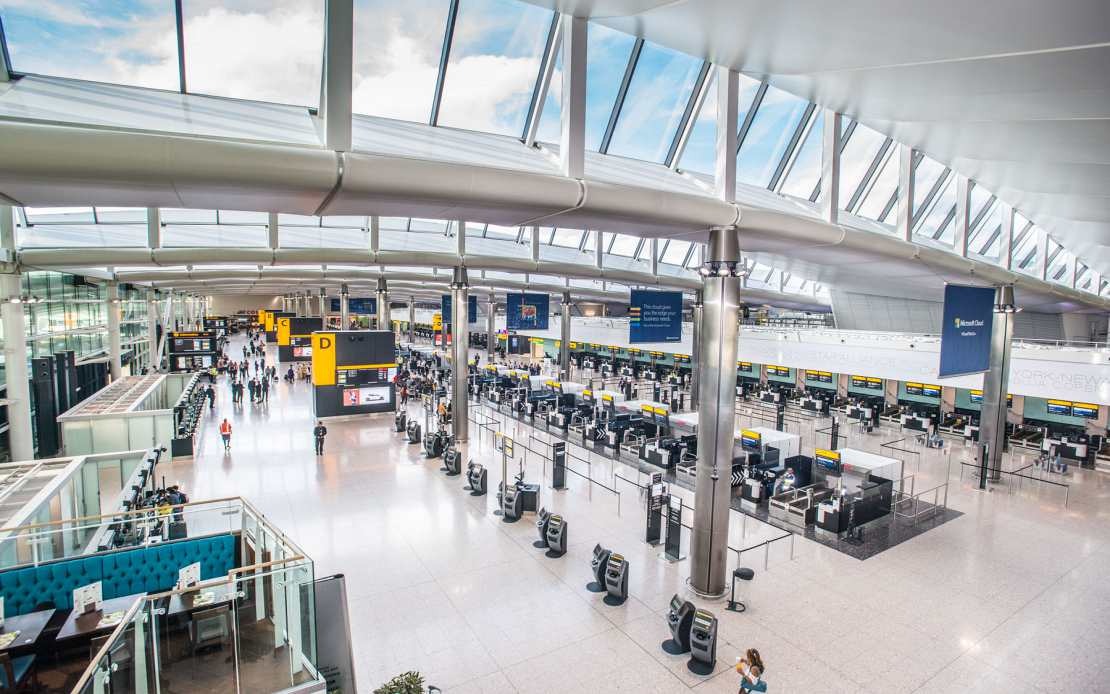
Istanbul Airport has displaced London's Heathrow from its quarter-century reign as Europe's leading aviation hub, a development that intensifies pressure on the United Kingdom government to approve a controversial third-runway expansion. The Turkish airport welcomed 8.15 million passengers during July, edging past Heathrow's 7.86 million travellers across the same month—a symbolic turning point that airport management views as vindication for its long-stalled expansion ambitions.
Heathrow's loss of continental leadership marks a dramatic reversal in fortunes. The west London facility commanded the busiest airport status consistently from 1996 through 2019, establishing itself as the undisputed gateway to Europe. The COVID-19 pandemic temporarily disrupted this dominance in 2020, but the airport recaptured the crown in 2023 and maintained it until July's defeat. The latest figures underscore not merely a one-month aberration but a shifting competitive landscape that threatens the airport's strategic position in global aviation networks.
Deterioration in Heathrow's passenger performance stems partly from geopolitical turbulence in the Middle East. Traffic on routes to West Asia plummeted 20.2 percent year-on-year in July, reflecting the broader impact of escalating United States-Iran tensions on regional travel patterns. Simultaneously, Heathrow's overall July throughput contracted 1.5 percent compared to the same month in 2023, whereas Istanbul experienced robust growth of 2.3 percent—suggesting the Turkish competitor benefits from diversified route networks less vulnerable to specific regional disturbances.
The airport's management has seized upon this competitive setback as evidence that expansion represents not luxury but necessity. Heathrow currently operates both its existing runways at near-maximum capacity, creating a bottleneck that constrains growth opportunities. The proposed third runway would theoretically accommodate 150 million annual passengers—a substantial uplift that airport leadership argues is essential for maintaining Britain's competitive standing within European aviation markets and preserving London's status as a premier international destination.
For Malaysian and Southeast Asian aviation observers, Heathrow's predicament illustrates broader structural shifts reshaping global air transport. Istanbul's ascendancy reflects Turkey's strategic geographic positioning as a bridge between Europe and Asia, along with the Turkish government's sustained investment in aviation infrastructure. The contrast between Istanbul's expanding capacity and Heathrow's constrained operations highlights how policy decisions regarding airport development directly influence a nation's ability to capture premium international connectivity and the associated economic benefits.
The political environment surrounding Heathrow's expansion proposal remains contentious. Transport Secretary Heidi Alexander initiated a formal consultation in June concerning the renamed Heathrow expansion national policy statement, establishing procedural benchmarks that must be satisfied before approval. Former Chancellor Rachel Reeves had expressed determination to commence construction by securing parliamentary authorization within the current legislative session, with completion targeted for 2035. However, Prime Minister Andy Burnham, who dismissed Reeves from her previous position, previously articulated reservations about the expansion, contending that channelling infrastructure investment toward London diverts resources away from economically disadvantaged northern regions.
This north-south infrastructure tension reflects deep-seated anxieties within British politics regarding regional economic disparity. Critics of Heathrow expansion argue that prioritizing further development of the already-dominant southern hub perpetuates London's outsized economic advantage and marginalizes efforts to rebalance growth across the United Kingdom. Such debates resonate throughout Southeast Asia, where rapidly developing airports in regional hubs compete for traffic against dominant established gateways.
Heathrow experienced a peak operational moment on July 19, when it processed 267,000 passengers—its highest daily total of the year so far. The surge coincided with school summer holidays across the United Kingdom, demonstrating the airport's capacity to handle concentrated passenger volumes during peak travel periods. Nevertheless, even peak performance appears insufficient to offset the competitive pressures emanating from emerging rivals.
New airline additions to Heathrow's network in July included Italy-based ITA Airways, American carrier Alaska Airlines, and Saudi Arabia's Riyadh Air. These route launches nominally indicate sustained demand for Heathrow access and suggest that carriers continue to view the airport as strategically important. Chief Executive Thomas Woldbye characterized the summer season as promising while emphasizing management's commitment to expanding route diversity and passenger capacity. Woldbye contended that expansion would cement Heathrow's position as Europe's premier hub while generating tangible economic benefits through enhanced trade linkages, foreign investment attraction, and tourism development.
The timing of Istanbul's ascendancy carries particular significance given the infrastructure investments Turkey has undertaken across its aviation sector. The airport's performance improvement reflects not merely temporary traffic fluctuations but rather systemic advantages conferred by adequate runway capacity and sustained operational investment. As Heathrow confronts political obstacles to expansion, Istanbul demonstrates what dedicated aviation infrastructure commitment can deliver in terms of competitive positioning and market share.
For Southeast Asian policymakers monitoring global aviation trends, Heathrow's situation underscores critical lessons regarding infrastructure planning. Airports that fail to expand proactively risk losing strategic advantage to competitors with forward-looking capacity development strategies. Malaysia's own aviation sector, centred on Kuala Lumpur International Airport and supported by regional facilities, faces comparable questions regarding future expansion requirements as Asian travel demand continues accelerating.
The broader implications extend beyond airport competition to encompass questions about national economic strategy and international connectivity. Nations that maintain premier aviation hubs secure disproportionate benefits in terms of business investment, tourism revenue, and integration within global networks. Heathrow's diminished status signals potential consequences of delayed infrastructure decisions, providing cautionary lessons for regional governments contemplating their own expansion decisions during this period of vigorous global air transport growth.

