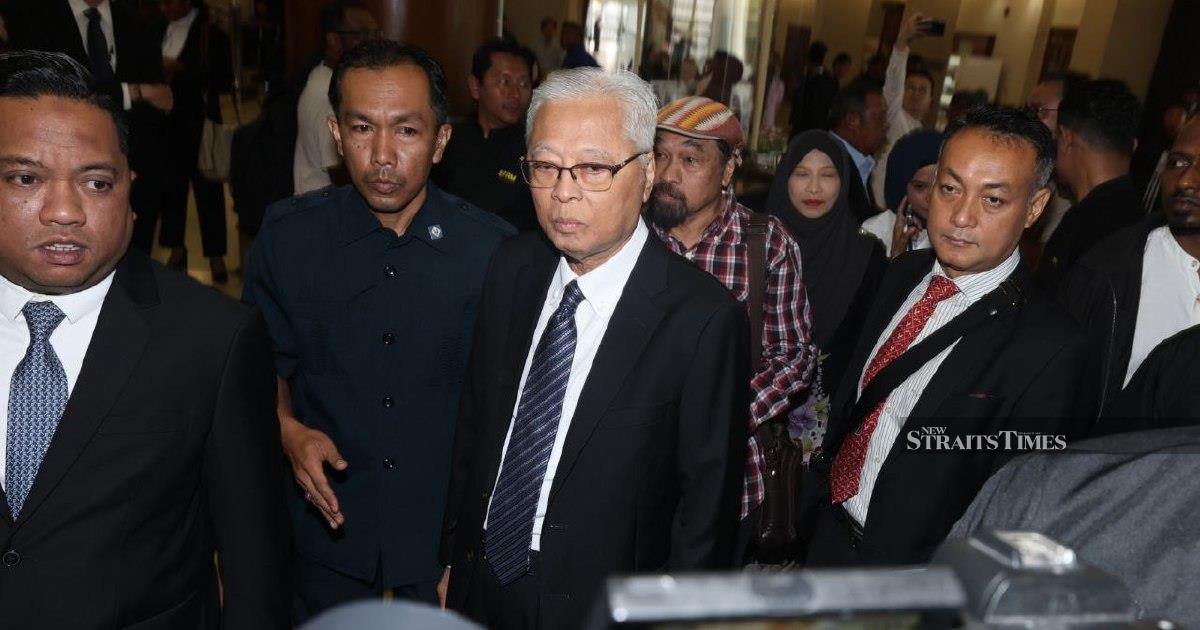
Datuk Seri Ismail Sabri Yaakob, who served as Malaysia's Prime Minister until August 2022, has walked free from the court complex in Kuala Lumpur after his son posted bail on his behalf. The bail amount of RM300,000 was secured to facilitate the former leader's temporary release while legal proceedings continue in his case.
The bail arrangement represents a significant development in what appears to be an ongoing legal matter involving the Umno politician. The decision to post bail through a family member underscores the personal stakes involved in the case, with immediate family stepping in to secure his release rather than relying on other arrangements. The RM300,000 figure suggests the court views the matter with considerable seriousness, as such bail amounts are typically reserved for cases of moderate gravity in the Malaysian legal system.
Ismail Sabri's tenure as Prime Minister was marked by considerable political turbulence. He assumed office in August 2021 following the resignation of Prime Minister Muhyiddin Yassin and governed during a period of heightened political instability within the ruling coalition. His administration faced mounting pressure from various factions within Umno and its coalition partners, ultimately leading to his resignation after just 17 months in office. Since stepping down, he has maintained a lower public profile compared to his predecessors, though his activities within party politics have continued to draw attention.
The bail posting occurs against the backdrop of Malaysia's broader political landscape, where multiple senior figures across different political parties have faced legal scrutiny in recent years. These cases have often generated intense public interest and media coverage, reflecting the intersection of law and politics in the nation's governance structures. The involvement of family members in posting bail is a standard practice within Malaysia's legal framework, though it does serve to personalise legal proceedings involving high-profile individuals.
Court proceedings in Malaysia involving former government leaders typically attract considerable scrutiny from civil society, political opponents, and international observers alike. Such cases often become focal points for broader discussions about governance, accountability, and the rule of law. The specific nature of the charges or allegations against Ismail Sabri has not been detailed in available information, though the seriousness warranted by the bail amount suggests substantive legal matters are under examination.
The former Prime Minister's release on bail allows him to maintain his freedom whilst awaiting further court appearances or decisions. This arrangement is contingent upon his compliance with any conditions imposed by the court, which typically include requirements such as regular reporting to authorities or restrictions on travel. The bail system in Malaysia serves as a mechanism to balance the presumption of innocence against the interests of justice, allowing individuals to remain at liberty during legal proceedings unless deemed a flight risk or danger to society.
Ismail Sabri's political journey reflects the complex dynamics within Umno and the broader Malaysian coalition politics. Prior to his prime ministerial tenure, he held various ministerial portfolios and served as Umno Vice-President, positions that demonstrated his standing within the party hierarchy. His relatively brief stint as Prime Minister, combined with his current legal entanglement, underscores the precarious nature of political leadership in Malaysia's highly competitive environment.
The posting of bail by a family member rather than through a bail agency or other mechanism is significant in Malaysian legal culture, where such personal involvement often conveys the family's confidence in the individual's willingness to cooperate with legal processes. The decision to post bail suggests the family's commitment to supporting the former leader through what may prove to be a prolonged legal process. For Ismail Sabri, maintaining his freedom through bail allows him to continue engaging with his legal team and preparing his defence more effectively than would be possible from custody.
The case remains subject to ongoing court proceedings, with future appearances and decisions likely to generate further media attention and public interest. The bail posting represents merely one procedural step within what may be a lengthy legal journey. For Malaysian observers of politics and law, the case serves as a reminder of the country's judicial processes and the manner in which high-profile figures navigate the legal system. The outcome of this matter could carry implications for broader discussions about governance accountability and the enforcement of laws applicable to all citizens, regardless of previous position or status.

