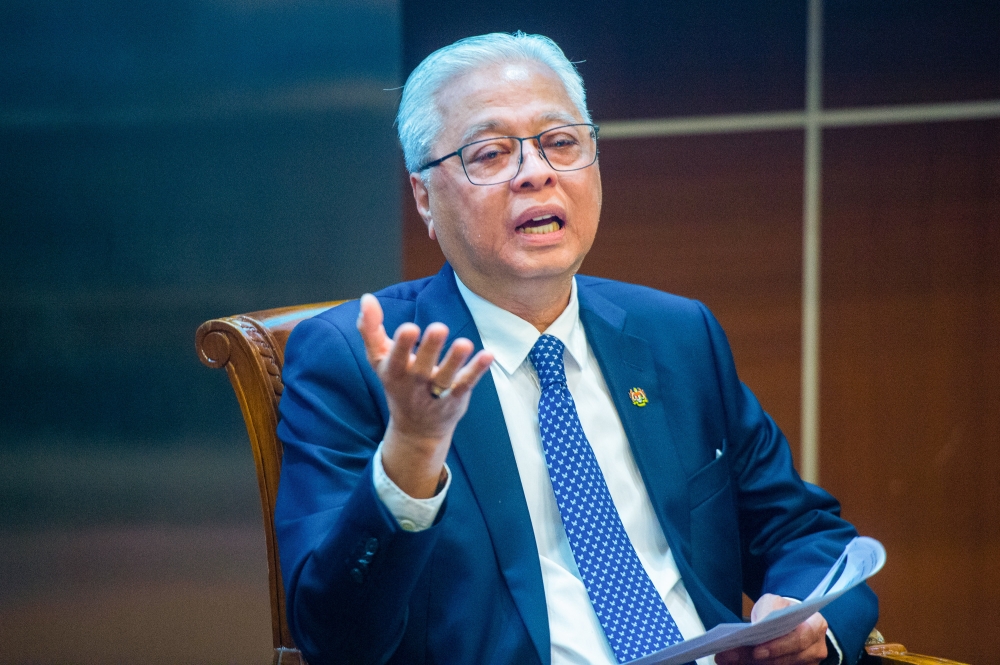
Former Prime Minister Datuk Seri Ismail Sabri Yaakob has made good progress following a pacemaker implantation procedure carried out at the National Heart Institute (IJN) in Kuala Lumpur. Medical staff at the facility confirmed on Wednesday that the surgery had proceeded successfully and that the prominent political figure was in a stable condition in the immediate aftermath of the intervention.
The insertion of a pacemaker represents a significant medical milestone for the 65-year-old former government leader. This type of cardiac device helps regulate abnormal heartbeats and is typically prescribed when a patient's natural heart rhythm becomes erratic or dangerously slow. The procedure itself is considered routine in modern cardiology practice, though it remains a meaningful undertaking for any patient requiring the implant.
Ismail Sabri's health situation underscores the unpredictable nature of cardiac complications, which can affect individuals across all demographic and socioeconomic strata. His case has inevitably drawn attention from the Malaysian public and political circles, given his prominence as a former holder of the nation's highest executive office. During his tenure as Prime Minister from August 2021 to November 2022, Ismail Sabri served during a particularly challenging period in the country's political trajectory.
The National Heart Institute, where the procedure took place, stands as one of Malaysia's premier cardiac care facilities. Located in the Kuala Lumpur vicinity, IJN has established itself as a centre of excellence for complex heart conditions and interventional cardiology procedures. The hospital's cardiac surgery teams have extensive experience managing cases of this complexity, employing state-of-the-art technology to ensure patient outcomes remain optimal throughout such procedures.
Pacemaker technology has evolved substantially over recent decades, with modern devices offering improved battery longevity, enhanced monitoring capabilities, and reduced infection risks compared to earlier generations. Contemporary pacemakers can often be managed remotely, allowing physicians to assess device performance and patient heart rhythms without requiring patients to visit the hospital for routine checks. This advancement brings considerable convenience to those requiring long-term cardiac management.
For individuals requiring pacemaker implantation, the recovery trajectory typically involves several weeks of restricted physical activity during the wound healing phase. Patients are generally advised to avoid strenuous exertion and heavy lifting in the immediate post-operative period, though most resume normal daily activities within a relatively short timeframe. The vast majority of pacemaker recipients experience significant quality-of-life improvements once the device begins functioning, as the regulation of heart rhythm alleviates symptoms such as dizziness, fatigue, and shortness of breath.
Ismail Sabri's medical situation has prompted broader discussions within Malaysian society about cardiovascular health and preventive care. Heart disease remains a leading cause of mortality in Malaysia and throughout the Southeast Asian region, often linked to lifestyle factors including sedentary habits, dietary choices, and stress levels. Public figures undergoing such procedures inadvertently raise awareness about the importance of regular cardiac screening, particularly among individuals in their sixth decade of life.
From a political perspective, the former premier's health challenges have generated expressions of support from across Malaysia's political spectrum. Colleagues from both government and opposition benches have publicly wished him a swift and complete recovery, reflecting the customary courtesy extended to senior statesmen facing health difficulties regardless of partisan differences. Such moments often serve to temporarily transcend the ordinary rigours of political contestation.
The procedure also highlights the calibre of medical infrastructure available within Malaysia's private healthcare sector. International patients frequently seek treatment at institutions like IJN, attracted by a combination of expert personnel, modern facilities, and cost-effectiveness compared to Western alternatives. This capability has contributed to Malaysia's growing reputation as a medical tourism destination, generating both economic benefits and opportunities for knowledge transfer within the regional healthcare community.
Looking forward, Ismail Sabri will require ongoing cardiac monitoring and management as part of his post-operative care regimen. Regular follow-up appointments will assess how his heart function adapts to the pacemaker's regulation, and adjustments to the device settings may be necessary as his condition evolves. Most individuals living with pacemakers enjoy normal lifespans and maintain active engagement with their professional and personal responsibilities, suggesting that the former Prime Minister's political prospects need not be significantly diminished by this medical development.
The incident serves as an important reminder that health challenges can affect anyone, regardless of past achievement or current position. For the Malaysian public, it reinforces the critical importance of proactive health management and the value of regular medical assessments, particularly as individuals advance in age. Ismail Sabri's case demonstrates both the medical challenges that contemporary figures must sometimes navigate and the availability of sophisticated treatment options that can effectively address even complex cardiac conditions.

