Malaysia's Islamic scholars and religious leaders are mobilising a comprehensive nationwide initiative to help the public understand the findings of the Royal Commission of Inquiry into the management of Tabung Haji's deposits. The campaign, announced by former Minister in the Prime Minister's Department (Religious Affairs) Datuk Seri Dr Mujahid Yusof Rawa, represents a significant effort to rebuild public confidence in the institution that safeguards savings for 9.7 million depositors intending to undertake the haj pilgrimage.
The awareness drive will leverage existing community infrastructure, channelling explanations of the RCI findings through mosques, surau, schools, government departments, colleges, universities and grassroots community education platforms. This broad-based approach recognises that effective communication about complex financial governance issues requires engagement across multiple layers of Malaysian society. By utilising spaces where religious discourse already occurs naturally, organisers aim to ensure the message reaches diverse demographic groups, from urban professionals to rural communities.
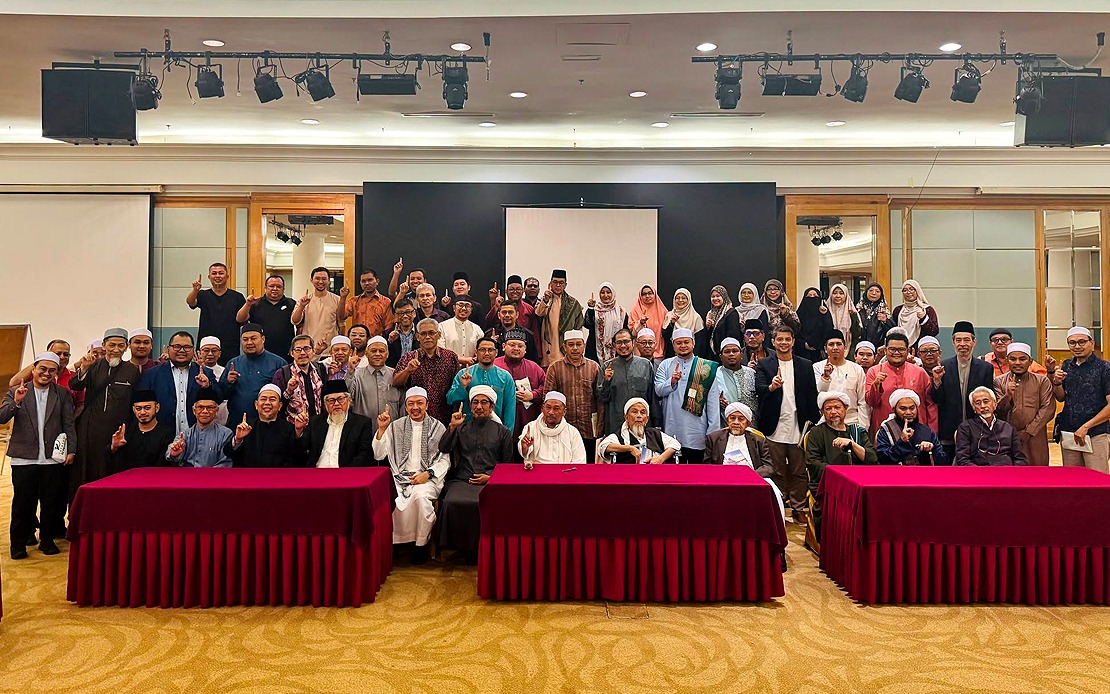
The initiative gained momentum following the Hifz al-Mal special conference held in Ampang, which convened more than 100 scholars and religious leaders from across the country. This gathering explored both the substantive findings of the RCI and the broader philosophical framework underpinning the campaign—specifically, the Islamic principle of Hifz al-Mal, which emphasises the protection and preservation of communal wealth. For Tabung Haji, this principle carries particular weight given the institution's sacred role in facilitating one of Islam's five pillars.
Mujahid articulated three clear objectives guiding the campaign: ensuring the facts surrounding Tabung Haji's management are transparently explained, restoring and maintaining public trust in the institution, and establishing mechanisms to prevent future misuse of depositors' assets. His statement that "Tabung Haji is a trust held on behalf of the Muslim community" frames the issue not merely as a financial or administrative matter but as a religious and moral obligation binding on all stakeholders.
The conference itself demonstrated a deliberate strategy to combine religious authority with professional expertise. Alongside Islamic scholars and pondok educators, the gathering included chartered accountants, legal practitioners, economic commentators and governance specialists. This multidisciplinary composition acknowledges that explaining the RCI findings requires simultaneous engagement with religious, financial, accounting, legal and governance dimensions. The synergy between these perspectives allows religious leaders to address not only the spiritual implications of safeguarding community assets but also the technical complexities that led to the issues the RCI investigated.
Organisational coordination for the campaign fell to the Malaysian Ulama Secretariat, working in collaboration with the Malaysian Ulama Council and its Mursyid al-'Am (Spiritual Leader) Abdul Rahim Abdul Rahman. This institutional backing lends significant credibility to the initiative, signalling that the effort enjoys broad support from Malaysia's recognised Islamic leadership structures. Such endorsement is crucial for ensuring that community members view the campaign as authoritative rather than politically motivated or partial.
The decision to centre the campaign on religious and community figures rather than government officials alone reflects a nuanced understanding of trust dynamics in Malaysian society. While state institutions bear formal responsibility for overseeing Tabung Haji, religious leaders occupy a distinct position of moral authority that can facilitate acceptance of complex truths about institutional failures. This approach also distributes the communicative burden, preventing the narrative from being dominated by any single actor or ministry.
For Malaysia's Muslim community, the campaign addresses legitimate concerns about how their haj savings have been managed. The RCI's investigation revealed significant governance lapses and mismanagement, issues that directly threatened the retirement security and spiritual aspirations of millions of ordinary Malaysians. A nationwide awareness campaign helps contextualise the findings within the broader effort to reform Tabung Haji's operations and restore institutional integrity.
The broader significance of this initiative extends beyond Tabung Haji itself. It demonstrates an emerging model for how Malaysia might address complex institutional failures affecting large populations—by mobilising community and religious leaders to explain technical findings and rebuild trust. This collaborative approach, combining expertise from multiple domains while grounding communication in existing community structures, could offer lessons for managing public response to other investigations or reforms across government and semi-government institutions.
Regionally, Malaysia's approach stands as a notable example of how Islamic institutional frameworks can be engaged constructively in governance and transparency matters. Rather than treating religious and secular governance as separate spheres, the campaign integrates Islamic principles like Hifz al-Mal with contemporary accountability concerns, potentially offering a model other Muslim-majority nations might adapt.
The campaign's success will ultimately depend on execution across Malaysia's diverse geography and demographic landscape. Reaching depositors in rural areas, ensuring consistency in messaging across different religious scholars, and translating complex financial findings into accessible explanations all present practical challenges. Nevertheless, the commitment of major Islamic institutions to this nationwide effort suggests serious intent to address the trust deficit that Tabung Haji must overcome to secure its long-term viability as a pillar institution serving Malaysia's Muslim community.

