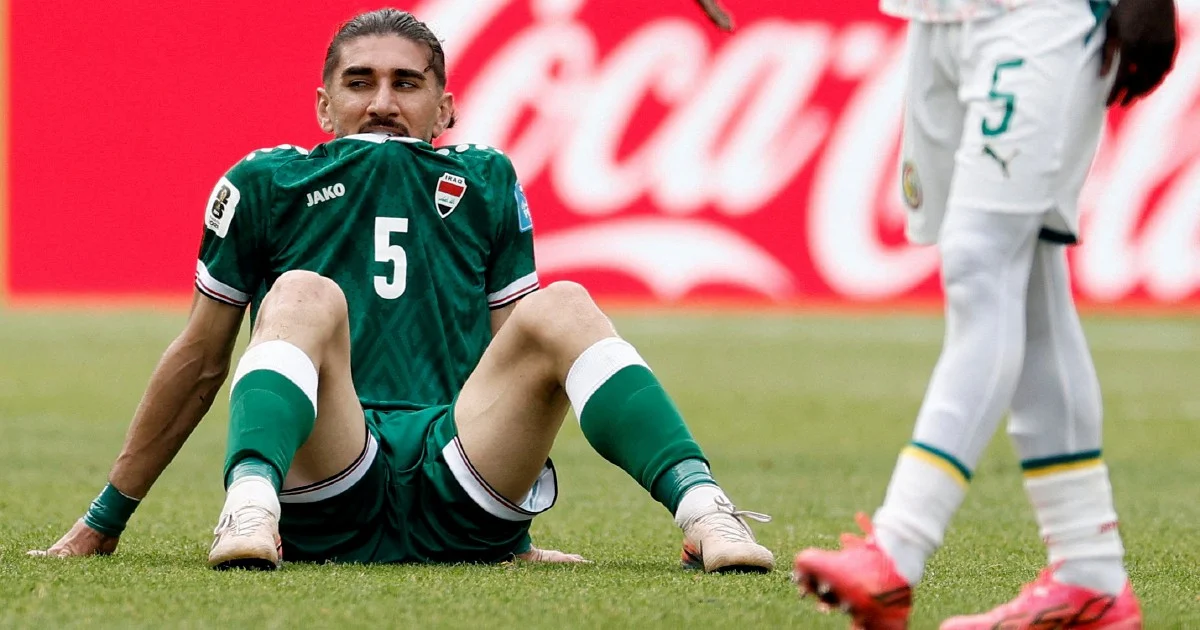
The Iraqi Olympic Committee announced Monday that it will conduct a comprehensive investigation into why the national football team underperformed during its World Cup campaign, while simultaneously developing a strategic roadmap to strengthen the programme and guard against future disappointments. The decision reflects growing concern among administrators that systemic weaknesses have undermined Iraqi football's competitive standing on the global stage, prompting decisive action to identify root causes and implement corrective measures.
Iraq's World Cup venture represents a significant investment of resources and national pride, making the outcome particularly consequential for a football-loving nation that has historically punched above its weight in regional competitions. The investigation will likely scrutinise multiple dimensions of the campaign, from tactical preparation and player selection to coaching decisions, medical support, and the broader institutional framework governing how the national programme operates. Such inquiries typically examine whether adequate preparation time was allocated, whether friendly matches were optimally scheduled, and whether players had sufficient competitive rhythm ahead of tournament play.
The structural overhaul signals recognition that success at the World Cup level demands more than temporary fixes. Iraqi football administrators appear committed to building sustainable foundations that can support consistent performance across multiple tournament cycles. This approach acknowledges that nations achieving lasting competitiveness in international football invest heavily in youth development, coaching education, domestic league quality, and long-term strategic planning rather than relying on episodic interventions.
For Malaysian and Southeast Asian observers, Iraq's commitment to comprehensive reform offers instructive parallels. The region's national teams often grapple with similar challenges: balancing investment priorities, developing indigenous coaching expertise, and creating pathways for young talent to flourish. Iraq's willingness to conduct transparent investigations and implement structural changes demonstrates a maturity in addressing institutional shortcomings that other emerging football nations might study.
The investigation will presumably examine the performance metrics that distinguish successful World Cup campaigns from unsuccessful ones. Analysts typically evaluate conversion efficiency in attack, defensive solidity, set-piece execution, and the team's ability to maintain focus during critical moments. Understanding where Iraq's performance fell short against these benchmarks provides essential data for calibrating future training methodologies and tactical approaches.
Institutional reform often encompasses modernising coaching staff recruitment, establishing clearer protocols for player development, and ensuring that domestic leagues provide adequate preparation for international competition. Iraq's football federation may examine whether current structures enable sufficient coordination between club and country, or whether logistical and financial constraints have historically fragmented the programme's coherence.
The timing of this investigation reflects broader regional dynamics in football development. Countries across Asia have increasingly professionalised their football administration, recognising that success requires coordinated long-term strategy rather than ad-hoc responses to immediate crises. Iraq's initiative positions the nation alongside others undertaking comprehensive institutional modernisation.
From a competitive standpoint, thorough post-tournament analysis represents best practice in elite sports. Successful national programmes routinely conduct detailed reviews following major tournaments, examining video footage, match statistics, and player feedback to extract lessons applicable to future preparation cycles. Iraq's stated commitment to preventive measures suggests the Olympic Committee is adopting this evidence-based approach to programme development.
The implications extend beyond immediate World Cup qualification cycles. Countries that successfully establish robust institutional frameworks and evidence-based development systems typically demonstrate improved performances across multiple tournament formats, including regional championships and continental competitions. Iraq's overhaul could therefore yield benefits across the broader football calendar.
Financial considerations will inevitably factor into reform discussions. Building sustainable competitive capacity requires sustained investment in grassroots development, coaching education, sports science support, and competitive opportunities. The investigation may reveal resource constraints that have previously limited programme effectiveness, informing future budget allocations within Iraqi football governance.
Regional context matters significantly. Iraq competes within the AFC federation alongside strong footballing nations and emerging programmes. Understanding how Iraqi football development compares to regional peers will inform realistic targets for improvement and help administrators identify best practices applicable to their specific circumstances.
The investigation's findings and resulting recommendations will ultimately determine whether Iraq's World Cup disappointment catalyses genuine institutional progress or remains a temporary moment of concern. History suggests that nations converting investigation findings into sustained structural change achieve lasting competitive improvements, while those treating inquiries as ritual exercises without implementing meaningful reforms experience recurring disappointments.
Looking ahead, successful implementation of reform measures will require alignment between the Olympic Committee, football federation, club representatives, and coaching professionals. Sustained commitment to development priorities over multiple election cycles and administrative transitions remains essential for transformation to take root. Iraq's explicit commitment to mapping the future trajectory of national football suggests determination to move beyond merely investigating the past toward building competitive capacity for decades ahead.

