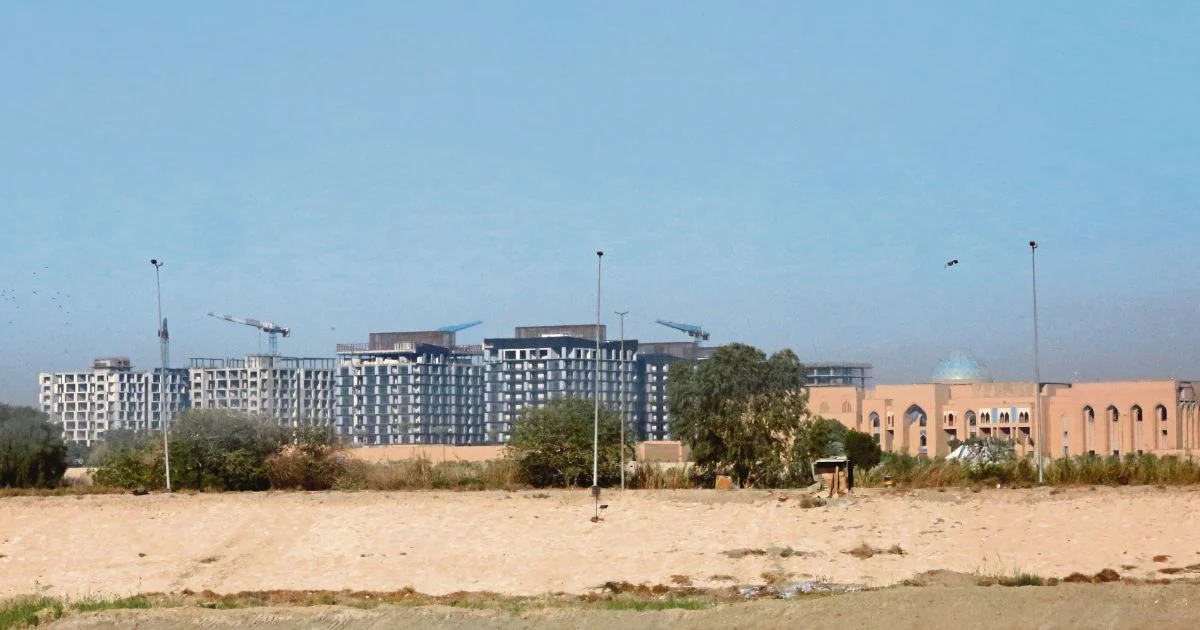
Iraqi security forces mounted an extensive operation across Baghdad's fortified Green Zone early Sunday morning, detaining numerous government officials and parliamentarians suspected of involvement in corruption. The coordinated raids represented a significant escalation in the country's increasingly visible campaign against graft within state institutions, with security personnel maintaining a substantial presence throughout the zone during the enforcement action.
The Green Zone, home to Iraq's parliament and principal government ministries, has long symbolised both the seat of national power and the epicentre of institutional corruption allegations. Located in central Baghdad and accessible only through heavily guarded checkpoints, the compound typically shields occupants from external scrutiny. The decision to conduct raids within this protected enclave signals a determined effort by authorities to pursue accountability regardless of official rank or position, challenging a historical pattern where senior figures have often escaped consequences.
Among those detained were sitting members of parliament, indicating that the operation targeted individuals across multiple levels of government rather than confining scrutiny to lower-ranking bureaucrats. This approach distinguishes the current initiative from previous anti-corruption announcements, which critics have frequently dismissed as selective or performative. The inclusion of MPs underscores a potential shift in the political will to confront corruption even among legislators who hold constitutional authority and parliamentary immunity protections.
The heavy security deployment throughout the Green Zone during the operation highlighted the sensitivity surrounding the enforcement action. Authorities maintained visible force presence to both conduct arrests and potentially manage any response from officials or their supporters within the compound. The scale of the deployment suggested coordination among multiple security agencies and demonstrated the government's determination to prevent obstruction or interference with the operation.
Corruption has long plagued Iraqi governance structures, undermining public services, deterring foreign investment, and eroding citizen confidence in state institutions. International transparency organisations consistently rank Iraq among countries with the most severe corruption challenges, citing systemic embezzlement of state resources, bribery in public procurement, and nepotistic appointment practices. Youth-led protest movements in recent years have specifically targeted official corruption as a primary grievance, demanding reforms and accountability from the political establishment.
The timing of the Green Zone operation comes as Iraq navigates complex regional dynamics and economic pressures. Oil revenues, which constitute the primary source of government income, remain vulnerable to international market fluctuations, making efficient resource management and prevention of theft increasingly critical. Corruption diverts funds away from infrastructure development, healthcare, education, and security services—sectors where Iraqi citizens perceive severe deficiencies in public delivery.
For regional observers, particularly in Southeast Asia where several nations grapple with comparable governance challenges, the Iraqi operation illustrates the difficulty of implementing sustained anti-corruption reform within established power structures. The willingness to detain sitting parliamentarians signals either genuine institutional commitment to accountability or, conversely, potential political factionalisation where rival groups use corruption investigations as leverage against opponents. Iraqi political dynamics remain fragmented along sectarian and ethnic lines, raising questions about whether the current enforcement initiative pursues impartial accountability or advances narrow political interests.
The detained officials faced unspecified corruption allegations, though authorities have historically cited embezzlement, misappropriation of public funds, and abuse of office as primary charges against detained government figures. The lack of immediate clarity regarding specific allegations against individuals arrested Sunday reflects a pattern where Iraqi authorities often announce operations before completing thorough investigations, potentially complicating legal proceedings and raising transparency concerns.
International partners monitoring Iraq's governance trajectory view anti-corruption initiatives with cautious interest. Foreign governments providing military and technical assistance have frequently emphasised rule-of-law development and institutional reform as conditions for continued support. Successful implementation of corruption investigations—including transparent trials, proportionate sentencing, and prevention of selective persecution—would strengthen Iraq's credibility with international partners and potentially improve business confidence in economic sectors.
The Green Zone raid's effectiveness ultimately depends on whether detained officials face genuine prosecution through Iraq's justice system or whether the operation represents symbolic enforcement that later dissolves through political accommodation. Previous corruption cases have frequently stalled within Iraqi courts, with charges dropped, sentences suspended, or defendants eventually released through presidential pardons or political negotiation. Citizens have grown accustomed to announcements of anti-corruption action followed by apparent inaction, cultivating widespread cynicism regarding official reform intentions.
Looking forward, sustained pressure from international observers, civil society organisations, and domestic protest movements may influence whether Iraqi authorities maintain prosecution momentum or permit political considerations to override accountability. The operation's success will be measured not merely by the initial arrests but by convictions obtained, sentences imposed, and seized assets recovered—metrics that have historically disappointed Iraqi reform advocates.

