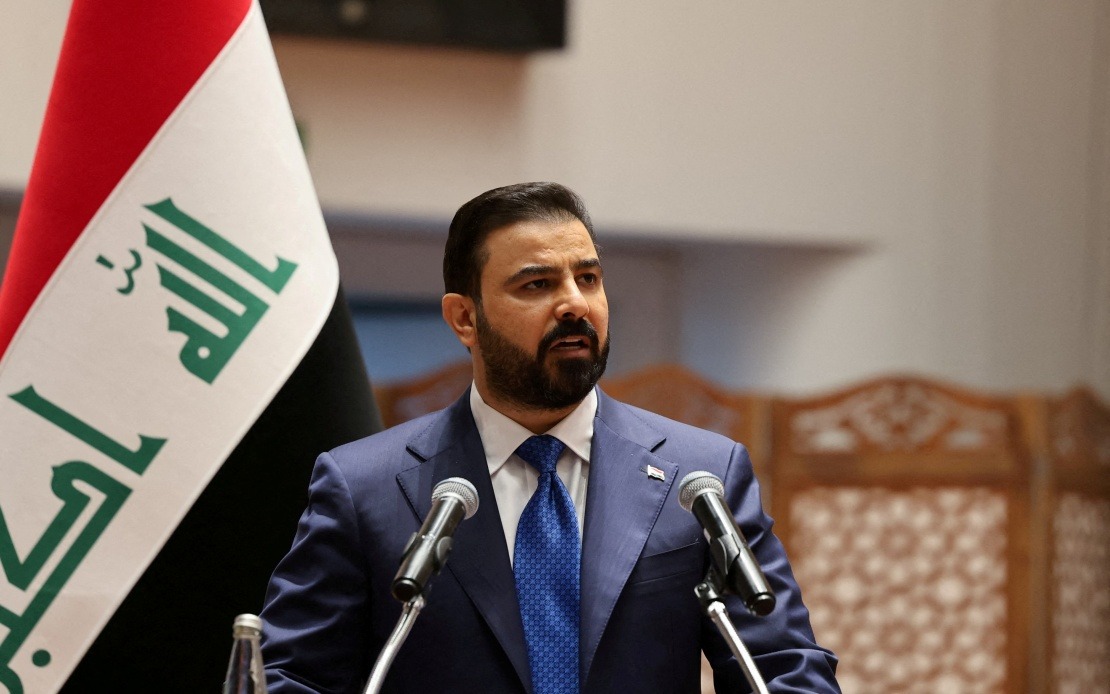
Iraq will not abandon its membership in the Organization of the Petroleum Exporting Countries, Prime Minister Ali Al-Zaidi stated on Thursday, though the Baghdad government continues to push for production quotas it considers more equitable within the cartel's framework. Speaking to the Al-Hadath broadcaster, Al-Zaidi underscored that remaining engaged with OPEC remains central to Iraq's energy strategy, even as disputes over output allocations persist among member states.
The Iraqi premier's comments carry particular weight given the recurring tensions that have marked Baghdad's relationship with OPEC in recent years. Iraq has historically chafed under production restrictions that it argues fail to reflect its geological potential and economic requirements. By publicly reaffirming commitment to the organisation rather than pursuing an exit, Al-Zaidi signals that Iraq views reform from within as more viable than confrontation from outside—a pragmatic stance that acknowledges the cartel's continued leverage over global oil markets and pricing mechanisms.
In early June, OPEC announced a recalibration of member quotas following assessments of each nation's production capacity. Under this adjustment, Iraq received approval to increase output by 26,000 barrels per day, bringing its ceiling to 4.405 million barrels daily. This represented recognition of Iraq's hydrocarbon potential, though Baghdad's officials suggested the figure remained below what the country could sustainably produce. Simultaneously, Kuwait was cleared to add 16,000 barrels per day to reach 2.66 million daily, while Oman received permission for a 5,000 barrel daily increase to 836,000 barrels.
The backdrop to these quota adjustments reflects broader anxieties within OPEC about balancing member interests with market stability. Iraq, as one of the cartel's largest reserve holders and a recovering producer after decades of conflict and sanctions, occupies a strategically important position. The country's oil sector has gradually rehabilitated following years of insurgency and the conflict against Islamic State militants, and Baghdad views expanded production as essential for both state revenues and post-war reconstruction efforts. This creates inherent friction with OPEC's production discipline framework, which prioritises price support over individual member output maximisation.
The Oil Ministry's recent disclosure that OPEC+ had initiated technical reviews of Iraq's production capacity underscores the meticulous nature of these negotiations. Such assessments typically examine infrastructure capability, reserve depletion rates, and investment requirements to establish scientifically grounded quotas. For Iraq, this process offers an opportunity to document its productive potential and argue for higher ceilings based on engineering data rather than political accommodation. The ministry's spokesman, Salim Al-Ruqabi, indicated that these evaluations were foundational to any future quota modifications.
From a Malaysian and Southeast Asian perspective, Iraq's energy diplomacy carries indirect but measurable implications. OPEC's production decisions filter through global petroleum markets and influence crude prices that Asian nations, including Malaysia, depend upon for both energy security and industrial competitiveness. Iraq's stated commitment to OPEC membership, rather than pursuing independent production strategies, suggests the cartel structure will likely persist in shaping regional and global oil supplies for the foreseeable future.
The distinction between Iraq's membership pledge and its quota complaints reveals a more nuanced reality than headline rhetoric often conveys. Baghdad is neither threatening withdrawal nor demanding immediate parity with Saudi Arabia or other major producers. Instead, the government appears to be negotiating incrementally, using technical assessments and diplomatic channels to edge quotas upward over time. This approach requires patience but reduces confrontation and maintains access to OPEC's institutional resources and price coordination mechanisms.
The political calculation embedded in Al-Zaidi's statement also reflects Iraq's broader international positioning. The country remains economically vulnerable, with limited non-oil revenue sources and substantial reconstruction costs. Remaining within OPEC provides predictability around revenues, access to a coordinated cartel that can defend prices against external pressures, and a forum for collective bargaining against downstream nations that consume its oil. Withdrawal would isolate Baghdad and expose it to volatile spot market pricing without the cartel's stabilising influence.
Looking ahead, the recurring pattern suggests Iraq will continue seeking gradual quota increases through technical and diplomatic means rather than confrontational exit strategies. The OPEC+ framework, which includes non-member producers like Russia, has already demonstrated flexibility in accommodating exceptional circumstances for individual nations. Iraq's damaged infrastructure and post-conflict recovery status provides genuine justification for above-average quota growth. Al-Zaidi's emphasis on fairness rather than maximalism suggests Baghdad recognises that framing its case in these terms yields better results than aggressive demands.
The stakes for Iraq extend beyond quarterly revenue variations. Expanded oil exports underpin the government's capacity to fund public services, security operations, and infrastructure projects essential to state consolidation after years of fragmentation. Energy sector stability thus intersects directly with Iraq's political stability and regional influence. This interconnection explains why Baghdad will likely remain OPEC-affiliated despite frustrations, while persistently lobbying for quota adjustments that align production ceilings with actual capacity.

