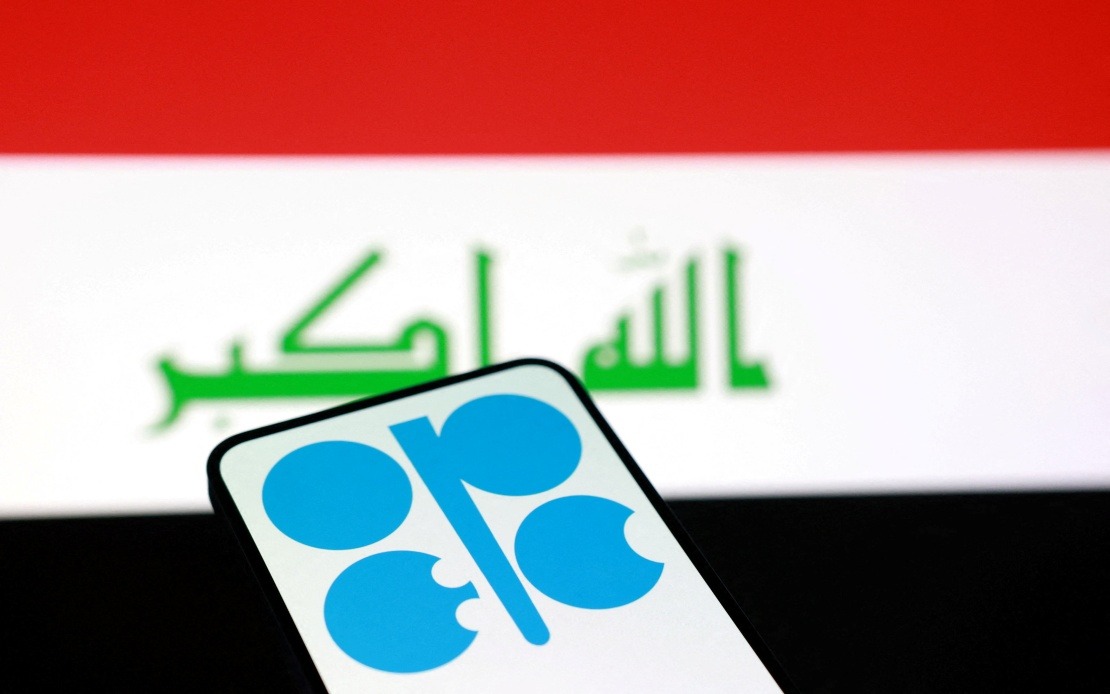
Iraq's Oil Ministry moved swiftly to dispel speculation about a potential withdrawal from OPEC, issuing a formal statement on June 25 that clarified Baghdad's commitment to the cartel despite mounting frustrations over production allocation constraints. The denial came in response to a Bloomberg report suggesting Iraq might reconsider its membership if current output restrictions remained unchanged, a narrative the ministry characterized as misrepresenting the Iraqi government's actual position on continued participation in the organization.
The discrepancy highlighted a familiar pattern in OPEC politics where frustrated members rhetorically entertain exit scenarios to pressure the cartel into policy adjustments. Rather than contemplating withdrawal, Iraq's actual grievance centers on what Baghdad views as an inequitable production ceiling that fails to account for the country's genuine technical capabilities and unique circumstances. Oil Ministry spokesman Salim Al-Rikabi underscored this distinction, affirming that Iraq harbors no intention of abandoning the group and remains committed to advancing its objectives through established OPEC mechanisms and consensus-building procedures.
The underlying tension reflects Iraq's chronic struggle to reclaim its historical status as OPEC's second-largest producer, a position significantly diminished by geopolitical upheaval and infrastructure constraints. Baghdad's argument rests on the premise that current quotas bear little relation to what the country could realistically pump given adequate investment and security conditions. The ministry pointed to decades of cumulative damage—wars, international sanctions, terrorist attacks targeting petroleum infrastructure—as justification for special consideration when production ceilings are determined, essentially requesting that OPEC's technical assessments recognize Iraq's asymmetric challenges.
To address precisely these measurement questions, OPEC and allied producers have commissioned a comprehensive review of each member state's maximum sustainable production capacity, a process expected to yield results that will inform output targets through 2027. This technical reassessment, conducted in coordination with an independent international consulting firm and involving Iraq's active participation, represents the mechanism through which Baghdad intends to pursue its quota ambitions rather than through confrontational withdrawal threats. The ministry emphasized that decisions on production levels would be negotiated within established OPEC+ frameworks, prioritizing consensus and technical dialogue over ultimatums.
For Malaysian observers and Southeast Asian energy markets, Iraq's push for higher quotas carries significant implications. As one of the region's major petroleum suppliers and an increasingly important source of crude diversification for Asian refineries, any meaningful increase in Iraqi output could influence regional oil pricing dynamics and trade relationships. Malaysia and other regional oil importers have a vested interest in Iraq's continued OPEC membership, as withdrawal would potentially destabilize the cartel's coordination efforts and introduce unpredictability into global supply arrangements that Southeast Asian economies depend upon for energy security and cost management.
Iraq's framing of its situation emphasizes the "special circumstances" warranting differentiated treatment—a narrative that resonates with broader OPEC debates about balancing member equity with production optimization. The country's contention that it deserves consideration for recovering second-place producer status reflects ambitions grounded in geological endowment rather than mere quotas. Iraqi officials argue that failure to align production ceilings with technical capacity represents a missed opportunity not just for Baghdad but for the broader cartel, since Iraq possesses substantial untapped reserves that could be developed with appropriate capital investment and stable security conditions.
The gradual restoration of voluntary production cuts scheduled for coming months, according to the ministry statement, should theoretically provide Iraq with opportunities to expand its output allocation as the overall OPEC+ framework loosens restrictions. This phased approach allows member states to increase production incrementally rather than through disruptive, sudden changes that might destabilize markets. For Iraq, each successive phase of cut relaxation represents a chance to argue that its baseline quota should similarly increase, anchoring future negotiations in the expanding production permitted under the revised OPEC+ agreement.
The diplomatic tone of Iraq's statement, despite underlying frustration, suggests Baghdad recognizes that maintaining good standing within OPEC serves long-term interests better than confrontation. The ministry's emphasis on "high levels of understanding" from fellow member states regarding Iraq's special situation attempts to build consensus support for future quota increases without appearing to blackmail the organization through withdrawal threats. This strategy acknowledges that OPEC decisions ultimately require consensus, meaning Iraq must persuade other members that its case merits special handling rather than simply demanding unilateral adjustments.
The technical review commissioned by OPEC and allies will likely prove decisive in determining how much Iraq's production ceiling can realistically be increased in coming years. If the independent consultants determine that Iraqi infrastructure and geological conditions permit significantly higher output than current quotas allow, Baghdad gains authoritative cover for demanding quota adjustments at subsequent OPEC meetings. Conversely, if technical assessments reveal that various constraints genuinely limit Iraqi capacity, the government faces a more difficult political situation domestically, as public expectations for expanded oil revenues may outpace what technical reality permits.
For Southeast Asian energy security planning, Iraq's continued OPEC participation and ongoing negotiations over production capacity matter considerably. Higher Iraqi quotas could translate to increased crude availability for regional refineries, potentially moderating regional prices and reducing dependence on more volatile suppliers. However, any further escalation of tensions between Baghdad and OPEC, or actual withdrawal, could disrupt these supply expectations and complicate the region's energy transition planning, where reliable, affordable crude remains important for economic growth even as renewables capacity expands.
The episode also illustrates how OPEC member states navigate internal disputes while maintaining organizational cohesion. Rather than aggressively threatening withdrawal, Iraq employed strategic ambiguity—allowing withdrawal speculation to circulate via media channels while officially denying such intentions—as a negotiating tactic designed to emphasize the gravity of its concerns without crossing the point of institutional rupture. This approach preserves diplomatic flexibility while signaling resolve about quota grievances, a calculation that will likely define Iraq's OPEC engagement through the 2027 quota cycle.

