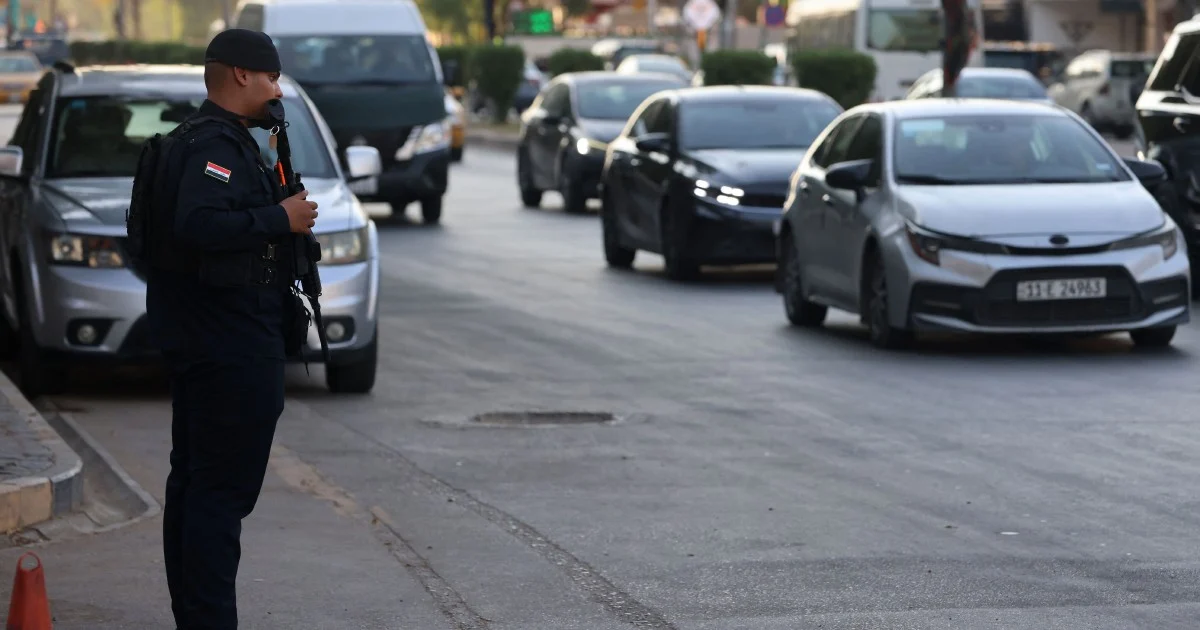
Iraqi law enforcement executed a large-scale detention operation on Sunday, apprehending 47 government officials and parliamentary representatives as part of an intensifying campaign to address systemic corruption that has long undermined the country's institutional credibility. The operation, confirmed through state media reports, marks another chapter in Iraq's ongoing struggle with administrative graft and abuse of public office.
The inclusion of parliamentarians in the sweep underscores the scope of the corruption investigation and signals that authorities are targeting figures across multiple layers of government, from senior bureaucratic positions to legislative institutions. This represents a particularly significant development given that members of parliament often enjoy considerable political protection and institutional immunity in many Middle Eastern jurisdictions, making their arrest a notable indicator of the campaign's reach and intensity.
Chaotic governance and institutional weakness have allowed corruption to flourish in Iraq since the country's post-2003 transition. Decades of conflict, weak rule of law, and fragmented political authority created an environment where officials could exploit public resources with relative impunity. Foreign aid, reconstruction contracts, and oil revenues—potentially worth billions of dollars annually—have been diverted through layers of bureaucratic mismanagement and outright theft, depriving citizens of basic services and development.
For Malaysia and Southeast Asia, Iraq's anti-corruption campaign offers both cautionary and inspirational lessons. While Malaysia has strengthened anti-graft institutions like the Malaysian Anti-Corruption Commission in recent years, the scale and persistence of corruption in Iraq demonstrates how vulnerable even resource-rich nations can become when enforcement mechanisms weaken or political will falters. The Malaysian experience shows that sustained institutional independence and consistent prosecution of all levels of society, regardless of political affiliation, remain essential to credibility.
The timing and scope of Sunday's arrests suggest Iraqi authorities are responding to mounting public frustration. Successive governments have promised reform, yet embezzlement and misappropriation continue to fuel public discontent and undermine confidence in state institutions. Ordinary Iraqis struggle with inadequate electricity, healthcare, and education despite the country's vast oil wealth—a disconnect directly attributable to institutional theft and mismanagement at the highest levels.
Previous anti-corruption campaigns in Iraq have yielded mixed results. Some high-profile arrests have led to prosecutions, yet many cases stall in a judiciary often compromised by the same sectarian and political pressures that enable corruption. Sustained commitment to building independent judicial institutions and transparent procurement systems remains uneven. The question confronting authorities is whether this latest operation will establish a genuine, long-term enforcement framework or whether it will dissipate amid political negotiations and factional pressures.
Regional observers note that anti-corruption efforts across the Middle East frequently fluctuate with political cycles and power dynamics. Iraq's complex multi-sectarian parliament and competing power blocs make comprehensive reform particularly challenging. Officials from powerful constituencies may face reduced scrutiny, while those from marginalized groups become convenient targets for public accountability theater. For such campaigns to generate lasting institutional change, they must be grounded in transparent legal processes and applied consistently across all political factions.
The involvement of state media in publicizing these arrests reflects official messaging around reform ambitions, yet observers urge caution about whether announcements translate into prosecution outcomes. Iraqi courts have struggled with capacity, security concerns, and political interference that undermine trials. Without robust legal follow-through and public conviction of the detainees, today's arrests risk becoming tomorrow's forgotten headlines.
From an economic perspective, uncontrolled corruption imposes severe costs on Iraq's post-conflict reconstruction. Foreign investors hesitate to engage where contracts and property rights lack legal guarantees. Domestic entrepreneurs face unfair competition from enterprises enjoying official patronage. Technical expertise leaves the country when talented professionals abandon a system where advancement depends on connections rather than merit. These structural handicaps compound Iraq's challenges in diversifying beyond oil dependency.
For Southeast Asian governments and institutions, Iraq's experience underscores the necessity of building anti-corruption architecture that survives political transitions and resists factional pressure. Independent commissions, whistleblower protections, asset-recovery mechanisms, and international cooperation on financial crimes create systemic resilience that single campaigns cannot achieve. Malaysia's greater success in this domain reflects institutional maturity and competitive politics that punish corruption rather than merely relocate it among different ruling coalitions.
The path ahead for Iraqi anti-corruption efforts requires sustained commitment beyond this week's arrests. Transparent prosecution, convictions that stick in court, and institutional reforms that prevent similar abuses must follow the detention phase. International technical assistance in financial investigation and asset recovery could strengthen capacity. Most critically, political leaders across factional lines must signal that corruption consequences apply universally, regardless of sectarian or party affiliation.

